That quick sip of sparkling water after a workout, a lemon in your morning drink, or a little nighttime grinding can seem harmless. Over time, though, small daily exposures can wear on the outer layer of your teeth. Thoughtful tooth enamel protection helps keep your smile comfortable, strong, and naturally bright without making your routine feel restrictive.
Enamel is remarkably durable, but it has one limitation: once it is lost, your body cannot grow it back. The good news is that early changes are often manageable. A few well-chosen habits, paired with regular preventive care, can lower your risk of sensitivity, cavities, and more extensive restorative treatment later.
What enamel does for your smile
Enamel is the smooth, mineral-rich outer covering of each tooth. It protects the softer dentin underneath from temperature changes, bacteria, biting pressure, and everyday wear. Healthy enamel also affects how your teeth look. Its translucent surface reflects light, contributing to a bright, natural appearance.
When enamel begins to thin, teeth may look more yellow because the dentin below becomes more visible. You might notice a sharp response to cold water, sweets, or a breath of cool air. Edges can become slightly translucent, and teeth may feel rougher than they once did.
These signs do not always mean serious damage, but they are worth bringing up at your next visit. Sensitivity can also come from gum recession, a cracked tooth, or a cavity. A clear exam is the best way to understand what is happening and choose the most conservative next step.
The everyday causes of enamel wear
Enamel erosion often results from repeated contact with acid. Citrus, soda, sports drinks, wine, flavored sparkling water, and frequent snacking can all lower the pH in your mouth. The concern is not that you enjoy these foods occasionally. It is how often your teeth are exposed and how long the acid stays in contact with them.
For example, slowly sipping a sweetened iced coffee over several hours exposes teeth more often than drinking it with a meal and following it with water. Similarly, grazing throughout the day can prevent saliva from doing its natural job of rinsing and neutralizing acids.
Acid from inside the body matters, too. Frequent reflux, vomiting, or certain digestive conditions can wear enamel, sometimes most noticeably on the backs of the teeth. If this applies to you, tell both your physician and dentist. Managing the underlying cause is part of protecting your smile.
Grinding and clenching are another common concern. Some people wake with jaw soreness or headaches, while others have no idea they grind until a dentist sees flattened biting surfaces or small cracks. Grinding does not dissolve enamel like acid does, but it can gradually fracture and wear it down under pressure.
Dry mouth also deserves attention. Saliva is one of your mouth’s built-in defenses, helping wash away food particles and balance acids. Medications, dehydration, mouth breathing, and some health conditions can reduce saliva flow. If your mouth often feels sticky or dry, it is worth discussing rather than simply living with it.
Tooth enamel protection habits that work
The most effective approach is usually simple and consistent. Start with fluoride toothpaste twice a day and a soft-bristled toothbrush. Fluoride strengthens the enamel that remains and supports remineralization, a natural process that can help repair very early mineral loss before a cavity forms.
Brush gently for about two minutes. Scrubbing harder does not mean cleaning better, especially near the gumline. Use small, controlled motions and let the bristles do the work. If you tend to brush aggressively, an electric toothbrush with a pressure sensor can be a helpful reminder to ease up.
After acidic food or drinks, rinse with plain water and wait about 30 minutes before brushing. Enamel can temporarily soften after acid exposure, and brushing immediately may add unnecessary friction. Chewing sugar-free gum can also encourage saliva flow when brushing is not practical.
How you enjoy acidic drinks can make a difference. Have them with a meal rather than sipping them all afternoon, and choose water afterward. A straw may reduce contact with front teeth for some beverages, but it is not a complete solution. Frequency still matters.
A balanced diet supports enamel, too. Calcium-rich foods, protein, crunchy vegetables, and plenty of water are friendly choices for your teeth and overall health. You do not need to eliminate every treat. The goal is a routine that gives your mouth time to recover between exposures.
If you clench or grind, a custom night guard can protect teeth from the force of nighttime grinding. Store-bought options may be useful for short-term situations, but they do not fit everyone well and can feel bulky. A custom guard is designed around your bite for a more secure, comfortable fit.
When professional care can help
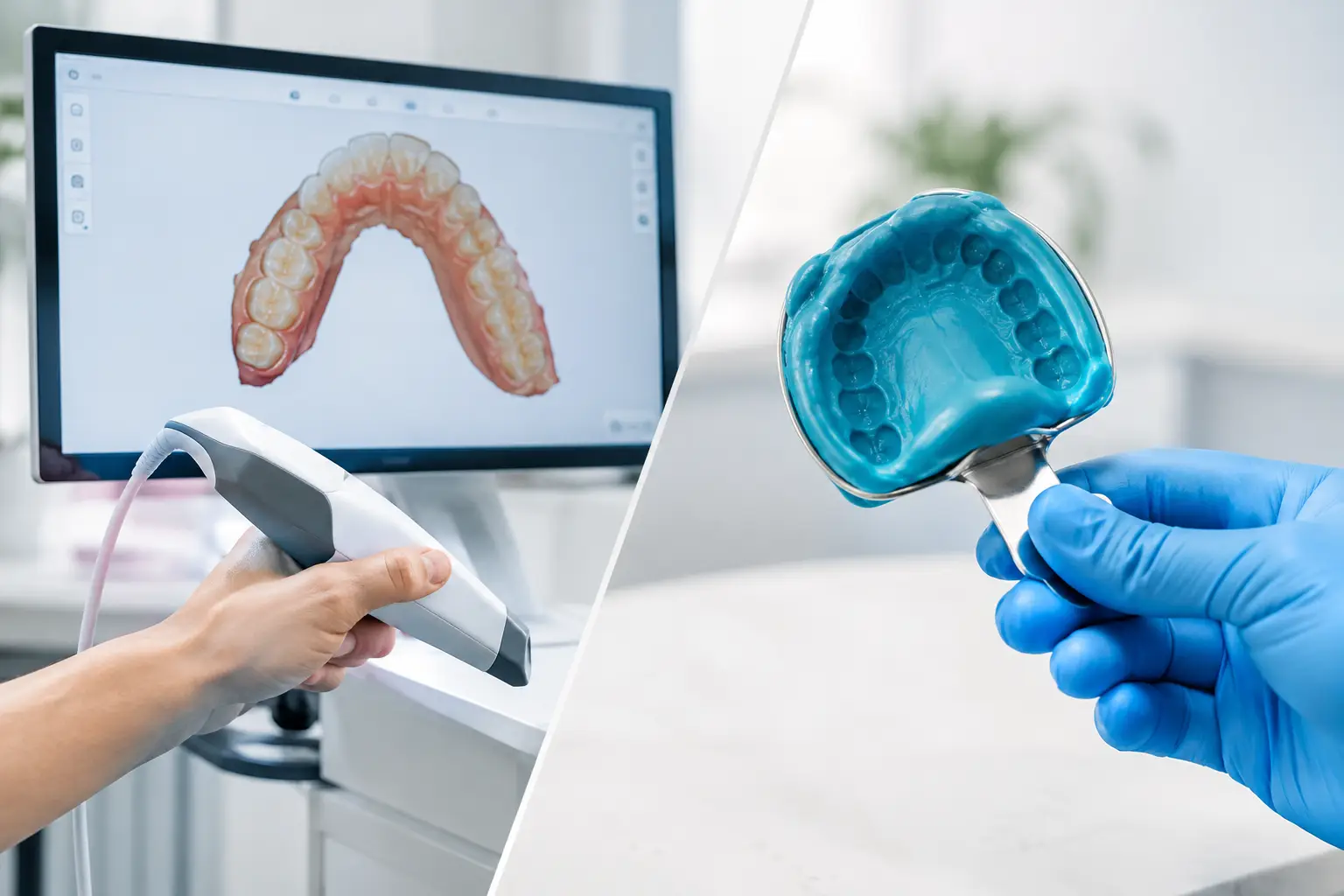
At-home habits are powerful, but they cannot answer every question. During routine exams, your dental team can check for early erosion, cavities, cracked enamel, bite changes, and signs of grinding. Digital images and scans can make changes easier to spot and explain, especially when comparing your smile over time.
Depending on what your teeth need, recommendations may include a professional fluoride treatment, prescription-strength toothpaste, a night guard, or care for dry mouth. If a tooth has already lost significant structure, bonding, a crown, or another restoration may be considered to protect it from further damage. The right option depends on the location of the wear, your bite, your symptoms, and your goals for appearance.
For patients considering whitening, timing matters. Whitening does not remove enamel when used appropriately, but it can temporarily increase sensitivity for some people. If enamel is already worn or teeth are sensitive, an exam first can help you choose a gentler plan and avoid unnecessary discomfort.
At SoFlo Dental Studio, the conversation begins with what you are noticing and what you want to feel confident about. Whether that means sensitivity relief, a more protected bite, or cosmetic care that respects the health of your teeth, you deserve clear explanations and a plan that feels comfortable.
Small warning signs to bring up sooner
A dental visit is especially worthwhile if you notice sensitivity that lingers, pain when biting, a new rough or chipped edge, repeated cavities, or teeth that seem shorter or more transparent. These changes can be gradual, which is why patients sometimes adapt to them without realizing how much has shifted.
Do not try to cover persistent discomfort with whitening strips, stronger brushing, or frequent over-the-counter pain relievers. Those approaches may delay the answer you need. Early evaluation often means simpler care and more options.
There is also a practical reason to stay ahead of enamel wear: protecting natural tooth structure is usually the most conservative path. Restorations can be beautiful and durable when needed, but preserving healthy enamel whenever possible gives your dentist more flexibility for the future.
Your smile does not need a perfect diet or an elaborate cabinet of products to stay protected. It needs steady care, a little awareness of acid and grinding, and a dental team that takes your concerns seriously. Small adjustments made now can help your teeth feel comfortable every time you smile, sip, and enjoy a meal.