That lower front tooth that keeps shifting in photos. The space you have learned to hide when you laugh. The bite that makes one crown chip more often than it should. Orthodontic care is not only for teenagers, and an adult orthodontic treatment guide should begin with that reassurance: it is never too late to improve how your smile looks, feels, and functions.
For adults, the right path is rarely about choosing the fastest appliance. It is about understanding your teeth, gums, bite, lifestyle, and goals, then making a plan that feels clear from the first scan to the final retainer. Relax. You do not have to figure it out alone.
Why adults choose orthodontic treatment
Many adults pursue treatment for appearance, especially when crowded, spaced, or rotated teeth make them self-conscious. But alignment can also make everyday care easier. Straighter teeth may be easier to brush and floss thoroughly, which can be helpful for maintaining healthy gums over time.
Bite concerns matter, too. When teeth do not meet as they should, some areas can receive more force than others. That may contribute to uneven wear, chipping, sensitivity, or strain on dental work. Orthodontic treatment can be part of a broader restorative or cosmetic plan, creating the proper foundation before veneers, crowns, or other smile enhancements are considered.
Adults often bring a very practical question to the consultation: “Can this fit my life?” In many cases, yes. Treatment plans can be designed around work meetings, family schedules, travel, and the desire for a discreet option. The details depend on your case, but care should feel organized, not disruptive.
Adult orthodontic treatment guide: start with a complete evaluation
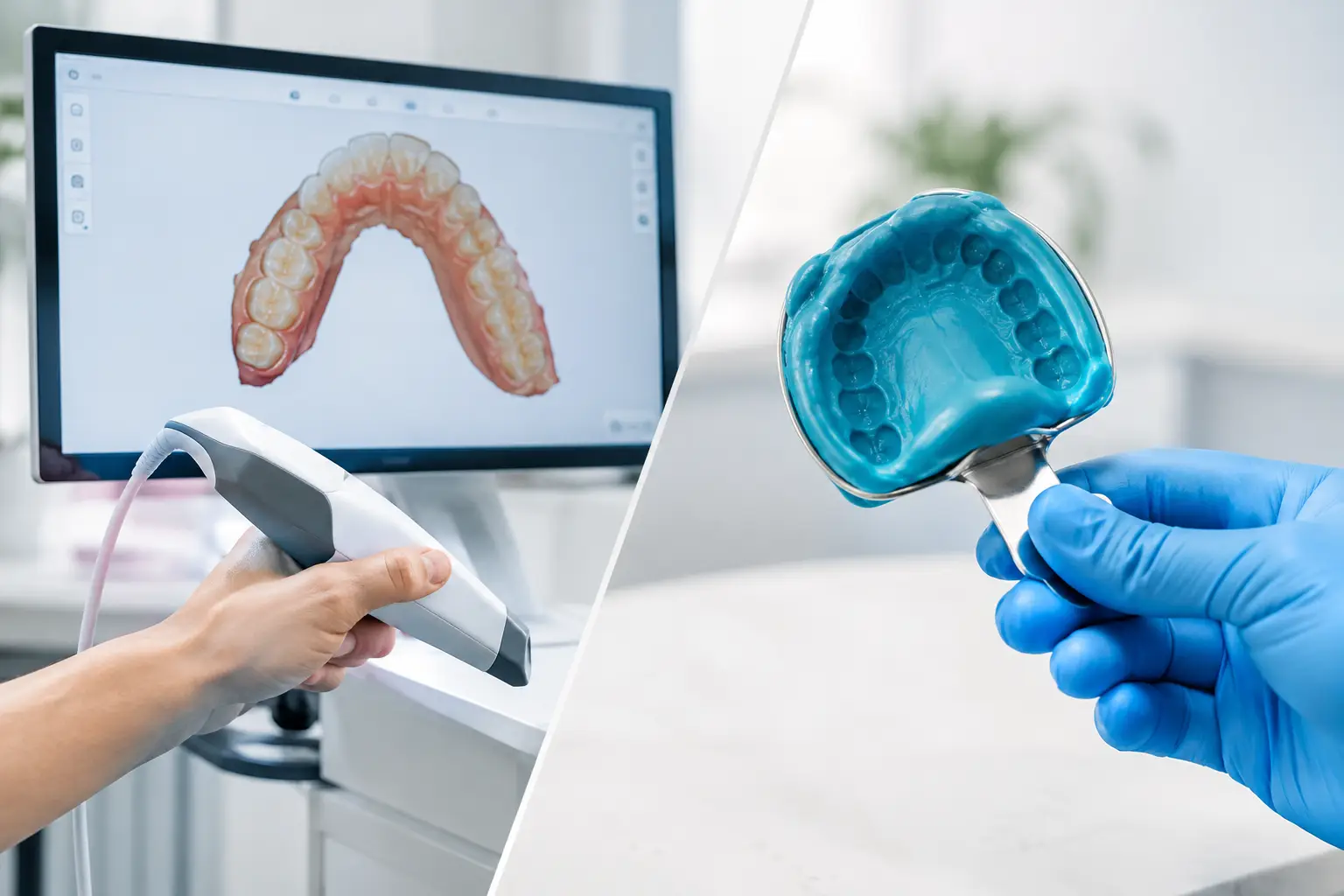
A thoughtful consultation is more than a quick look at your teeth. Your dentist will evaluate alignment, your bite, gum health, existing fillings or crowns, jaw function, and any signs of grinding. Digital scans can create a detailed 3D model of your smile without messy traditional impressions.
This is also the time to share what matters to you. Perhaps you want to correct one visibly crowded area before a milestone event. Perhaps you have avoided smiling in photos for years. Or perhaps your general dentist has noticed changes that could affect a crown, implant plan, or long-term oral health. Honest goals help shape the right recommendation.
Not every smile needs the same level of correction. Limited treatment may address a small area, while comprehensive orthodontics corrects the relationship between upper and lower teeth as well as individual tooth positions. A limited plan can be appealing, but it is not automatically the better value if it leaves a bite issue unresolved. Your provider should explain the trade-off plainly.
Before teeth are moved, active tooth decay and gum disease generally need attention. Healthy gums are the support system for orthodontic treatment. If you have periodontal concerns, restoring stability first helps protect the investment you are about to make in your smile.
Clear aligners or braces: which is right for you?
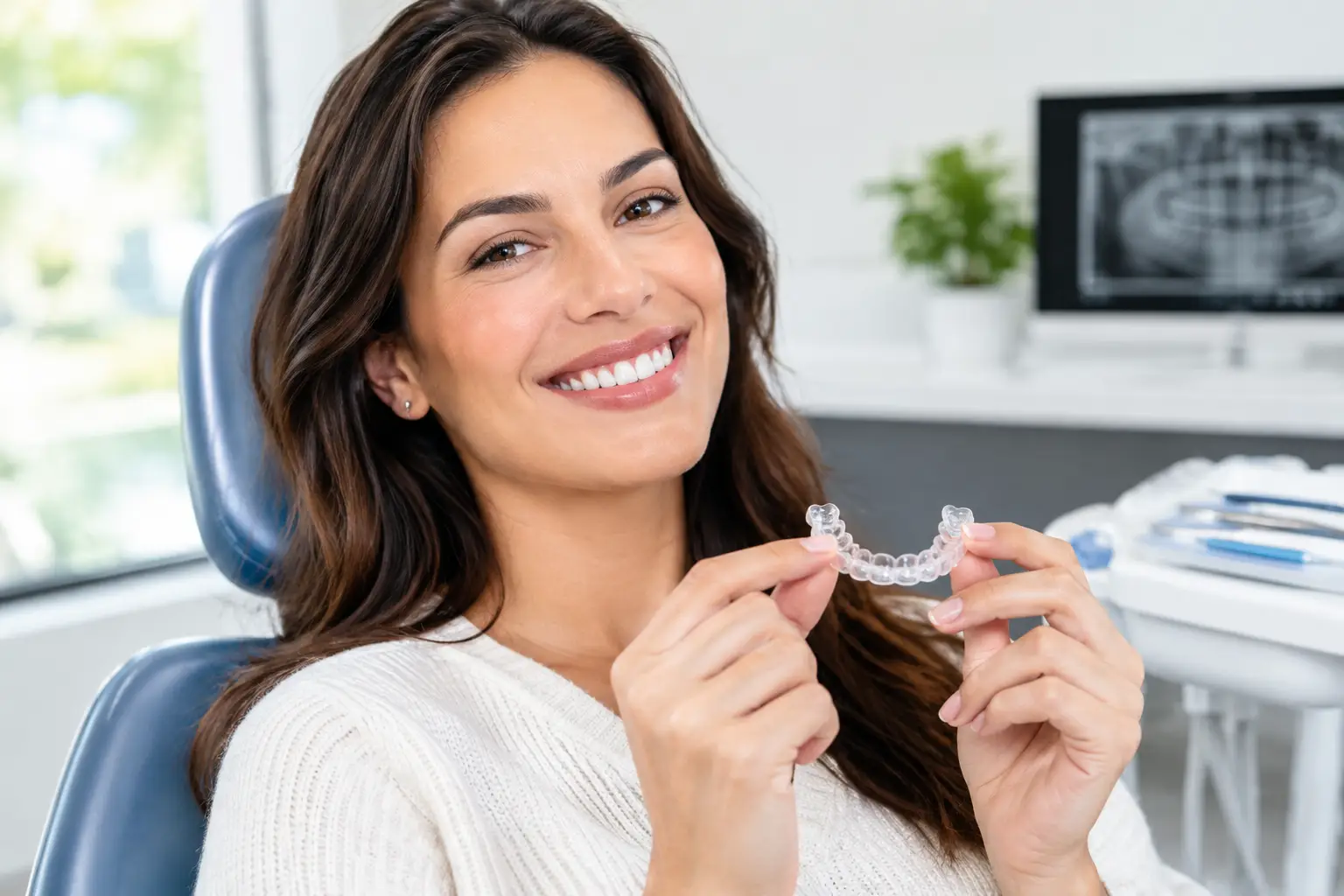
Clear aligners are a popular choice for adults because the trays are smooth, removable, and difficult to notice from a conversational distance. They are typically worn 20 to 22 hours a day and changed on the schedule your dentist provides. You remove them for meals, most drinks other than water, and brushing and flossing.
That flexibility is a real advantage, particularly for professionals and parents who want fewer food restrictions. It also comes with responsibility. Aligners only work as planned when they are worn consistently. If they spend too much time in a desk drawer, purse, or napkin at lunch, treatment can take longer or require adjustments.
Traditional braces use brackets and wires to guide teeth into place. They can be a strong option for more complex movements, certain bite corrections, or patients who prefer not to manage removable trays. Braces require a little more attention when cleaning and may come with food restrictions, but they do not depend on remembering to put them back in after every meal.
There is no prize for choosing the most invisible option if it is not the most predictable one for your smile. The best choice is the appliance that can achieve your goals safely and realistically, with a routine you can maintain.
What treatment feels like day to day
Orthodontic treatment should not be painful, but it is normal to feel pressure or tenderness after beginning a new set of aligners or having braces adjusted. Most patients describe it as a temporary awareness that their teeth are moving, rather than sharp pain. Softer foods for a day or two can help, and your dental team can advise you if discomfort feels unusual.
With aligners, a simple routine makes a meaningful difference: remove them carefully, rinse them, brush and floss before placing them back in, and store them in their case. Drinking water while wearing aligners is usually fine. Coffee, tea, soda, and colored drinks can stain trays or leave sugars against teeth, so remove them first whenever possible.
With braces, brushing around brackets and wires takes more time. Small brushes and flossing tools can make the routine easier. Avoiding sticky candies, hard nuts, popcorn kernels, and other foods that can damage brackets helps prevent avoidable appointments.
Whether you choose aligners or braces, routine cleanings remain essential. Orthodontics is a partnership: your provider guides the movement, while your daily care keeps the teeth and gums healthy along the way.
Timing, treatment length, and the importance of retainers
Treatment time varies widely. A focused cosmetic correction may take several months, while more involved bite changes can take a year or longer. The initial position of your teeth, the type of movement needed, your chosen appliance, and your consistency with instructions all influence the timeline.
Digital treatment planning can make the process easier to visualize. You may be able to see a projected sequence of tooth movement and discuss what is realistic before beginning. A preview is valuable for clarity, but it is still a plan, not a promise. Teeth and biology do not always follow a calendar perfectly, and occasional refinements are a normal part of achieving a polished result.
The final day of active treatment is not the final day of care. Teeth naturally have a tendency to shift, which is why retainers matter. Some retainers are removable and worn on a prescribed schedule, often nightly after the initial retention period. Others are bonded discreetly behind certain teeth. Your dentist may recommend one approach or a combination based on your alignment and risk of relapse.
Think of retainers as protecting the result you worked for. They are not an optional extra.
Planning around cosmetic and restorative dentistry
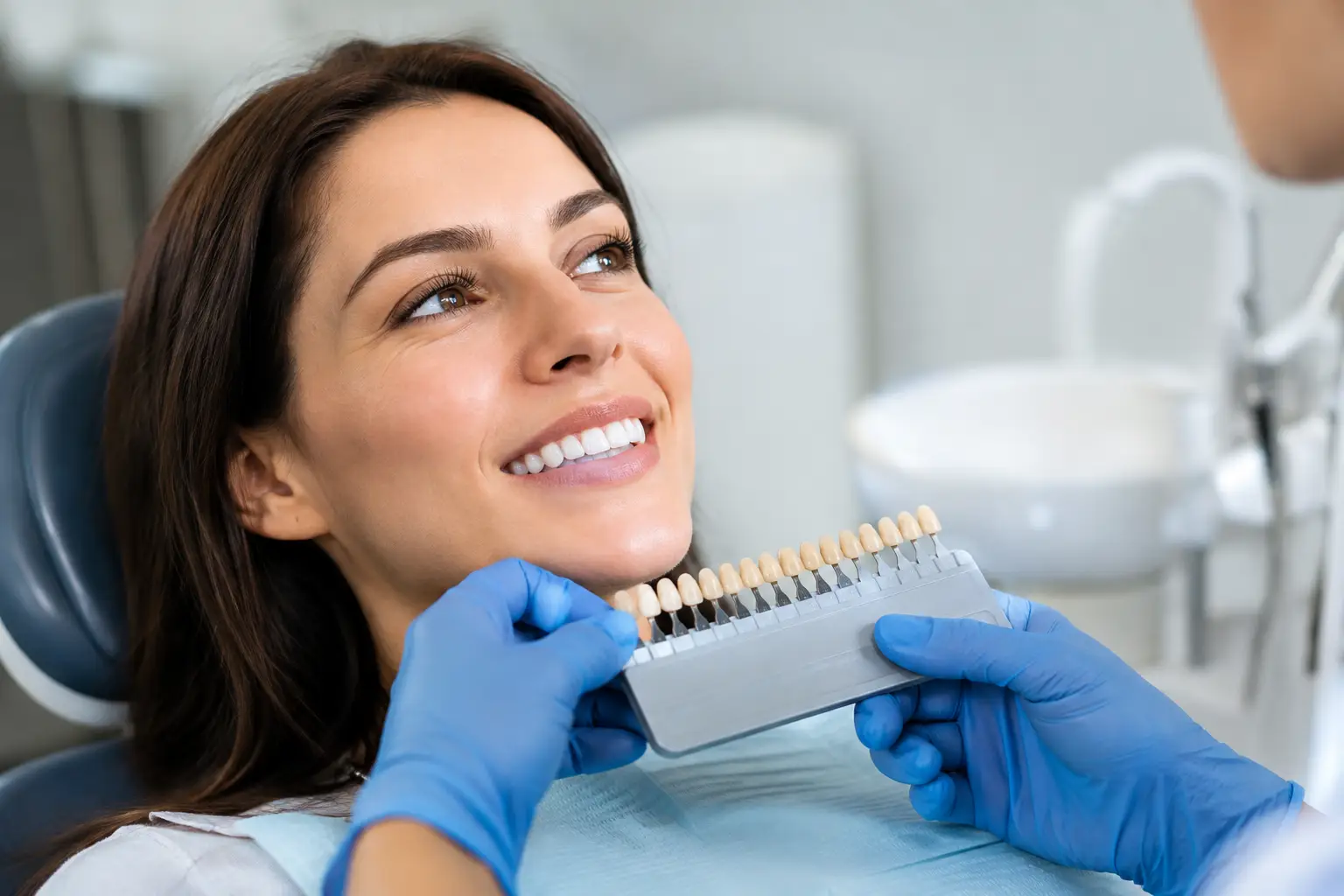
Orthodontic treatment can be especially valuable when it is coordinated with other dental care. Moving teeth before placing veneers or crowns can sometimes reduce the amount of tooth alteration needed and create more balanced spacing. It can also improve the position of a tooth before an implant is planned, helping reserve the right amount of space.
The sequence matters. Whitening may be best timed toward the end of orthodontic treatment, while a worn crown may need temporary attention before teeth move. If you clench or grind, a protective nightguard may be part of the conversation after treatment is complete. A full-service dental team can look at the whole picture instead of treating each concern in isolation.
Understanding cost and payment options
The cost of adult orthodontics depends on the complexity of your case, the appliance selected, the expected treatment length, and whether other dental needs should be addressed first. A clear estimate should explain what is included, such as scans, monitoring visits, refinements, and retainers. Ask directly about any potential fees that may arise if trays are lost or treatment changes.
Insurance coverage for adult orthodontics varies considerably. Some plans provide a lifetime orthodontic benefit, while others do not cover treatment after a certain age. If you do not have insurance, a dental membership plan or financing option may make it easier to move forward with care on a manageable schedule. The goal is not pressure. It is transparency, so you can make a decision with confidence.
Questions worth bringing to your consultation
Ask what outcome is realistic for your bite and smile, not simply what can be done fastest. Ask whether clear aligners and braces would produce the same result in your situation, what your daily commitment will be, and how often you will need to come in. If you have crowns, veneers, implants, gum recession, or a history of grinding, ask how those details affect the plan.
You should also feel comfortable asking to see your digital scan, projected treatment steps, and financial options. At SoFlo Dental Studio, the conversation is designed to be unhurried and easy to understand, with modern planning tools and comfort details that help you settle in. Your care should never feel like a sales pitch or a rushed decision.
A straighter smile can begin with one calm conversation. Bring your questions, your concerns, and the photo angle you are tired of avoiding. The right team will meet you there, explain your options clearly, and help you take the next step at a pace that feels right.