A small spot of bleeding when you brush. A crown that suddenly feels a little different. A routine cleaning you keep moving to next month because work, family, and life are full. These are the moments when preventive dental care for adults matters most. It is not about chasing a perfect smile or adding more to your calendar. It is about catching small changes early, keeping your mouth comfortable, and protecting the time and investment you have already made in your health.
For many adults, dental care becomes reactive by default. You go when a tooth hurts, a filling breaks, or an old concern becomes impossible to ignore. The problem is that many dental conditions progress quietly. Decay can grow beneath an old restoration, gum disease can develop with little discomfort, and nighttime grinding can wear down teeth long before you notice a change in your smile.
Thoughtful prevention gives you a clearer path forward. You know what is healthy, what needs watching, and what can be handled before it becomes more involved.
What preventive dental care for adults really includes
Preventive care is more than a quick cleaning every six months. It is an ongoing partnership that combines professional exams, hygiene care, personalized home habits, and timely attention when something changes.
At a preventive visit, your dental team is looking at the full picture: teeth, gums, bite, existing crowns or fillings, jaw comfort, and the health of the tissues in your mouth. Digital X-rays or scans may be recommended when they will help reveal concerns that cannot be seen during a visual exam, such as decay between teeth, changes around a root, or bone loss related to gum disease.
The goal is not to recommend treatment for the sake of treatment. It is to give you a transparent view of your oral health, explain what is urgent and what can be monitored, and help you make decisions with confidence. A small cavity may need a simple filling now. An early area of gum inflammation may respond beautifully to more targeted hygiene and better home care. An older crown might be stable today but worth watching at future visits.
That context matters. It helps prevent the uncertainty that can make dental appointments feel stressful or rushed.
What happens at a routine visit
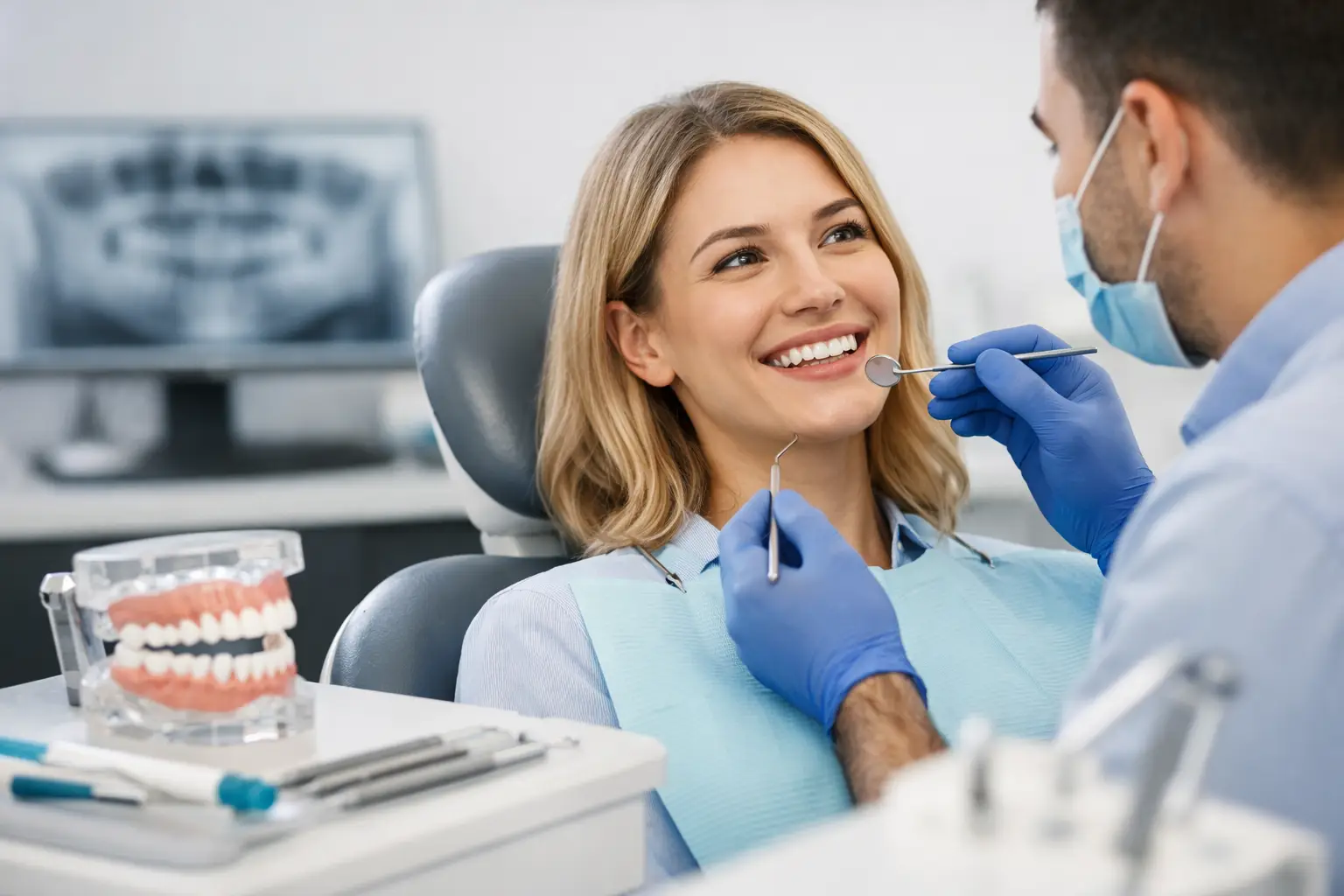
A comfortable preventive appointment should feel organized, unhurried, and easy to understand. Your hygienist typically begins by reviewing changes since your last visit, including sensitivity, bleeding gums, dry mouth, headaches, medications, or concerns about the appearance of your teeth.
Your cleaning removes plaque and hardened tartar from places your toothbrush cannot fully reach. This is especially valuable along the gumline and between teeth, where bacteria can contribute to inflammation. Polishing can lift surface stains, but it is not the same as whitening. If a brighter smile is one of your goals, your dentist can explain the options that make sense for your enamel, existing dental work, and timeline.
During the exam, your dentist checks for decay, worn enamel, cracked teeth, gum changes, bite issues, and signs of oral cancer. If you have restorations such as crowns, bridges, implants, veneers, or fillings, those are evaluated too. Quality dentistry is designed to last, but every restoration still needs routine monitoring.
If treatment is recommended, you deserve a calm explanation of why, what the process involves, and what can happen if you wait. For patients who feel nervous, simple comforts can make a meaningful difference: noise-canceling headphones, a neck pillow, an eye mask, or simply a team that checks in before moving forward.
The daily habits that do the heavy lifting
Professional care works best when it is supported by consistent habits at home. You do not need an elaborate shelf of products. You need a routine you can actually keep.
Brush twice a day for two minutes with a soft-bristled toothbrush and fluoride toothpaste. Fluoride strengthens enamel and helps lower the risk of cavities. An electric toothbrush can be useful for many adults because it provides consistent motion and often includes a timer, but a manual toothbrush can work very well with good technique.
Clean between your teeth once a day. Floss is a reliable choice, though interdental brushes or water flossers may be easier and more effective for some people, especially around bridges, implants, braces, or wider spaces between teeth. The best tool is the one you will use consistently and correctly.
Your eating and drinking patterns matter, too. It is not only the amount of sugar that affects teeth but also how often teeth are exposed to sugary or acidic foods and drinks. Sipping soda, sweetened coffee, sports drinks, or citrus beverages throughout the day keeps the mouth in a more acidic environment. Water between meals is a simple, helpful reset. If you enjoy coffee, wine, or sparkling water, you do not have to give them up. It is usually more practical to limit frequent sipping and maintain a strong hygiene routine.
Dry mouth deserves attention because saliva helps protect teeth from decay. Certain medications, mouth breathing, medical conditions, and cannabis or tobacco use can reduce saliva flow. If your mouth often feels dry, mention it at your appointment. A few tailored adjustments can make a real difference in cavity prevention and comfort.
Your schedule should fit your risk, not a rulebook
Many adults benefit from preventive visits every six months, but that schedule is not identical for everyone. If you have active gum disease, a history of frequent cavities, diabetes, dry mouth, tobacco use, extensive restorations, or difficulty cleaning around implants or bridges, your dentist may recommend more frequent hygiene visits.
On the other hand, some patients with excellent gum health and a low cavity risk may need a different schedule. The right interval depends on what your mouth needs now, not on a one-size-fits-all approach.
This is also why skipping appointments after years of good checkups can be risky. Oral health can change with a new medication, pregnancy, stress, changes in diet, aging, or a shift in your ability to maintain your usual routine. Regular visits make those changes easier to spot before they become disruptive.
Pay attention to quiet warning signs
Pain is not the only reason to call the dentist. In fact, waiting for pain can turn a manageable problem into a more complicated one. Reach out if you notice bleeding gums that continue, persistent bad breath, new sensitivity to hot or cold, a chipped tooth, a loose restoration, jaw soreness, clicking, or a change in how your teeth come together.
If you wake with headaches, have tension in your jaw, or notice teeth becoming shorter or flatter, you may be grinding or clenching at night. A custom nightguard may help protect your teeth from further wear. Store-bought guards can provide temporary cushioning, but they may not fit your bite as precisely or be as comfortable for long-term use.
Changes in the soft tissues of your mouth matter as well. A sore, lump, red or white patch, or spot that does not heal within two weeks should be evaluated. Most findings are not serious, but prompt assessment is the sensible choice.
Prevention protects cosmetic and restorative work, too
A beautiful smile needs maintenance. Whitening results can be refreshed, veneers and crowns need routine checks, and gum health is essential around natural teeth and implants alike. Prevention helps preserve the details that make your smile look natural and feel like your own.
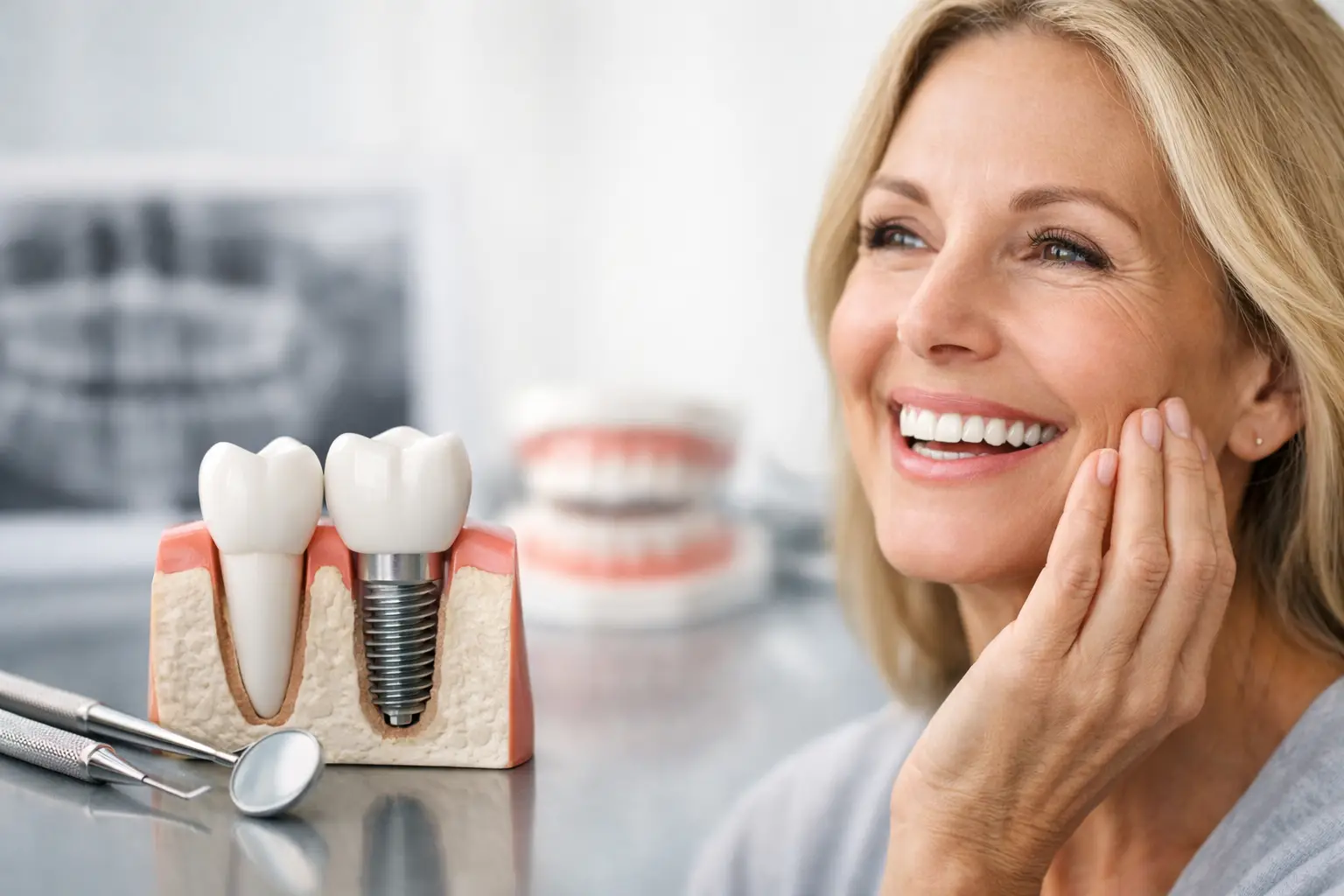
This is particularly relevant when you are considering a cosmetic or restorative investment. Before veneers, clear aligners, implants, or a smile makeover, a healthy foundation comes first. Treating inflammation, decay, or bite concerns beforehand supports more predictable, lasting results. Modern digital scans and smile planning can also help you see the path ahead before committing to elective care.
At SoFlo Dental Studio, that planning is meant to feel clear rather than overwhelming. You should understand your options, your priorities, and the practical side of care, including insurance, membership options, or financing when appropriate.
Make dental care easier to keep
The most effective preventive plan is one that respects your real life. Schedule your next visit before you leave the office, choose appointment times that work with your routine, and tell your team what makes visits harder for you. Maybe you need extra time to ask questions. Maybe you prefer a quieter room, clear step-by-step explanations, or a break during treatment. Those preferences are part of good care.
Your smile does not need attention only when something goes wrong. A calm, consistent preventive routine gives you more control, fewer surprises, and a healthier place to begin whenever you are ready to improve, restore, or simply maintain your smile.