A dental visit should not leave you guessing what was found, what treatment involves, or how your smile may look afterward. The top benefits of digital dentistry come down to clarity, comfort, and more personalized care. Instead of relying only on physical impressions, film X-rays, and verbal descriptions, your dental team can use detailed digital images and smile-planning tools to make each step easier to understand.
For patients who feel nervous in the dental chair, are considering cosmetic treatment, or simply want appointments to feel more efficient, that difference can be meaningful. Technology does not replace the judgment and gentle touch of an experienced dentist. It gives that expertise a clearer way to guide your care.
What Digital Dentistry Means for Patients
Digital dentistry is a practical term for using advanced tools to plan, diagnose, and deliver dental care. Depending on your needs, that may include digital X-rays, intraoral scanners, 3D imaging, computer-guided implant planning, or smile-design software.
The purpose is not to add technology for its own sake. It is to gather accurate information with less discomfort, explain recommendations in a more visual way, and help your dentist plan treatment around your real smile, bite, and goals. At SoFlo Dental Studio, these tools support a more relaxed, transparent experience, whether you are coming in for a routine exam or considering veneers, crowns, implants, or clear aligners.
Top Benefits of Digital Dentistry at Every Step
More comfortable impressions
For many people, traditional dental impressions are the part of treatment they remember least fondly. The bulky tray and impression material can trigger a gag reflex and make it difficult to sit comfortably. A digital intraoral scanner captures a detailed 3D model of your teeth with a small handheld wand instead.
The process is generally quicker and easier to tolerate. If an area needs another image, your dentist can often rescan that spot right away rather than having you repeat the entire impression. This can be especially welcome for patients with dental anxiety, sensitive gag reflexes, or children who need a calmer introduction to dental care.
Digital scans are useful for many types of treatment, including crowns, bridges, clear aligners, night guards, and cosmetic planning. Not every procedure can eliminate every traditional step, but modern scanning can make much of the process feel less intrusive.
Clearer conversations about your oral health
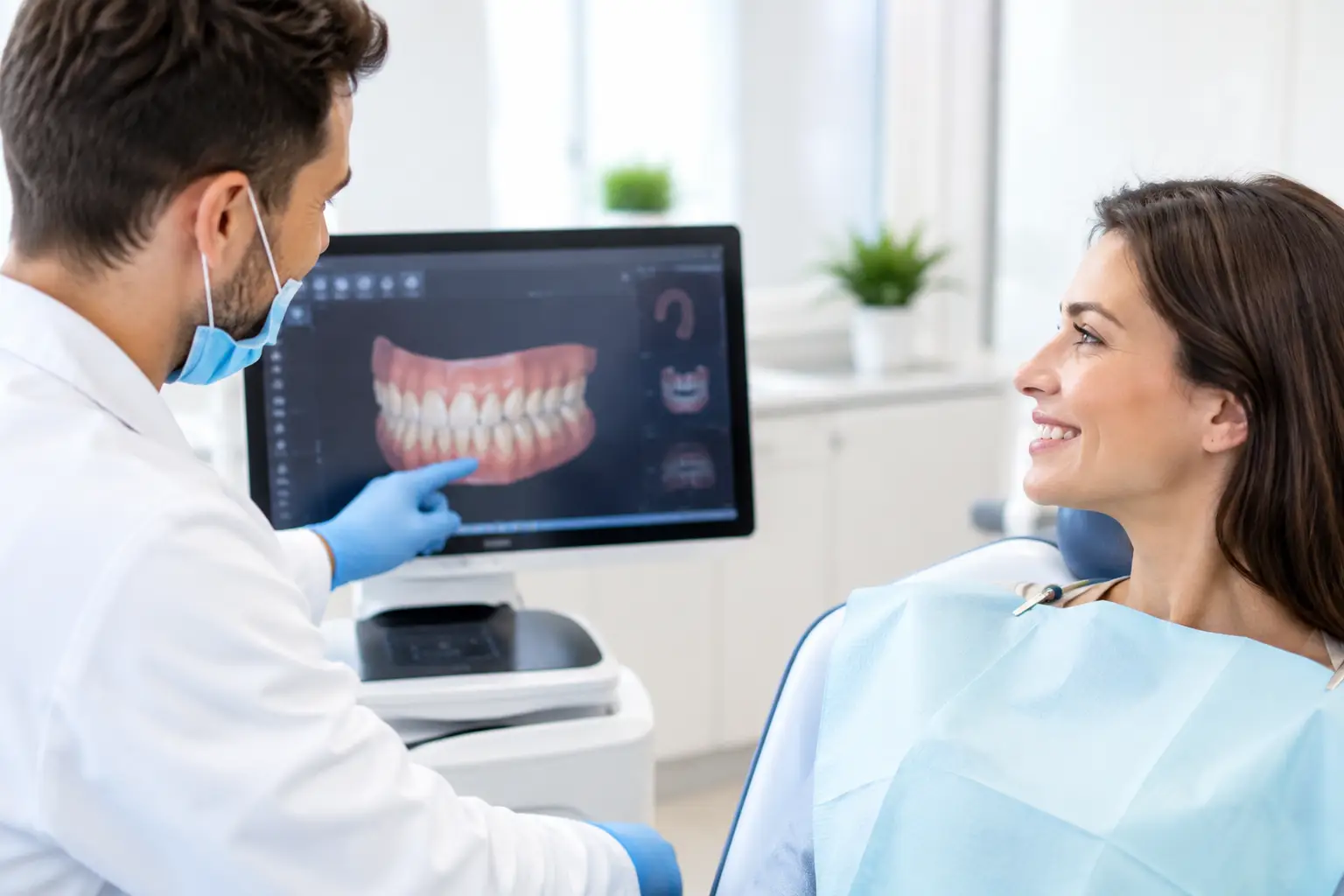
A verbal explanation matters, but seeing is often more helpful. Digital X-rays and intraoral images can help you view the same details your dentist is evaluating, such as a cavity between teeth, changes in bone levels, a cracked restoration, or inflammation around the gums.
That visibility makes treatment recommendations easier to follow. Rather than feeling pressured to make a decision based on unfamiliar terms, you can ask informed questions: What happens if we monitor this area? Why is this crown recommended now? What are my options? How urgent is treatment?
A good dental experience leaves room for those questions. Digital tools support the conversation, while your dentist provides the context that an image alone cannot give.
Greater precision for restorations and smile plans
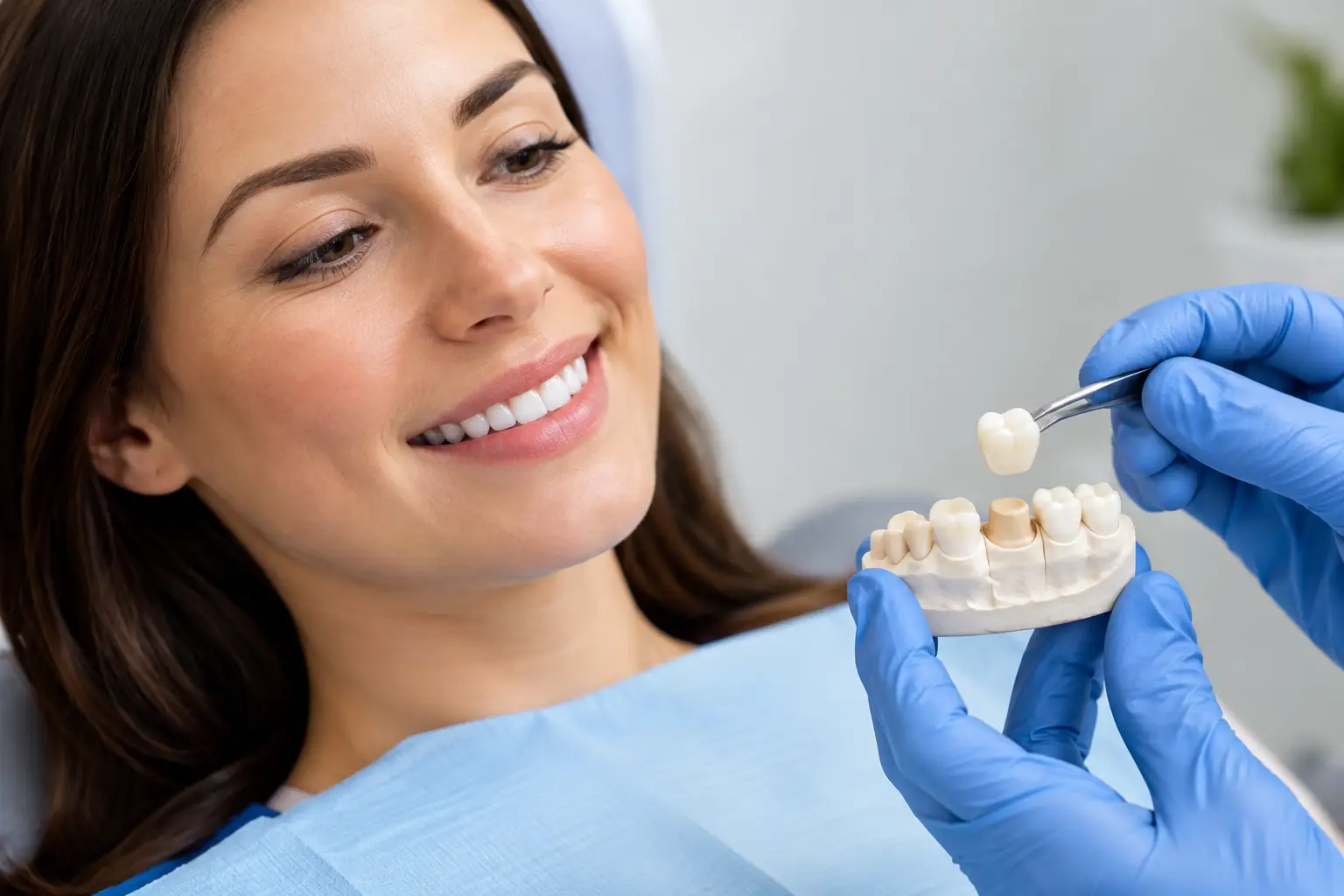
Teeth are not one-size-fits-all. A crown needs to fit comfortably against neighboring teeth and work with your bite. A veneer should complement your facial features, gumline, and surrounding teeth. Digital records provide highly detailed measurements that help your dental team plan with that individual precision in mind.
For restorative treatment, this can support a better-fitting crown, bridge, or implant restoration. For cosmetic dentistry, it allows a more intentional discussion about tooth shape, proportion, color, and overall balance. The goal is not to create a smile that looks artificially perfect. It is to create one that feels believable, flattering, and distinctly yours.
Accuracy also helps reduce surprises. While no dental treatment can promise perfection, planning from detailed digital information gives the dentist and dental laboratory a stronger foundation from the beginning.
A preview before cosmetic treatment begins
Choosing cosmetic dentistry is personal. Whether you are thinking about veneers, whitening, bonding, or a fuller smile makeover, you deserve to understand the plan before committing your time and budget.
Smile-design software can help show possible changes in a visual format. You may be able to review elements such as length, shape, symmetry, or brightness with your dentist before treatment moves forward. This creates a more collaborative process: you can share what you like, what feels too dramatic, and what you hope your smile will communicate.
A digital preview is a planning tool, not a guarantee or a filter applied to real life. Final results depend on your existing teeth, gums, bite, chosen materials, and the treatment that is clinically appropriate. Still, seeing the direction of the plan can replace uncertainty with a much more confident conversation.
More efficient visits and fewer avoidable do-overs
Busy families and professionals want careful care, not rushed care. Digital dentistry can help appointments run more efficiently because images, scans, and records are available immediately for your dentist to review. That may shorten the time spent waiting for certain results or repeating an impression that did not capture enough detail.
In some cases, a digital workflow can also reduce the number of visits needed for a restoration or orthodontic process. The exact timeline depends on the treatment, your oral health, laboratory coordination, and whether additional care is needed first. Complex cases still require thoughtful pacing, and that is a good thing.
The advantage is not speed at all costs. It is fewer unnecessary obstacles between you and well-planned treatment.
Better planning for implants and complex care
Dental implants, oral surgery, and full-mouth restorative work require careful planning. Three-dimensional imaging can give your dentist a more complete view of bone, tooth roots, nerves, and nearby sinus spaces than a standard two-dimensional image alone.
This information helps determine whether an implant is appropriate, where it may be placed, and whether preparatory care such as periodontal treatment or bone grafting should be considered. For patients, that often means a clearer understanding of the sequence, the investment, and the healing time involved.
Digital planning does not make surgery risk-free, and it does not mean every patient is a candidate for the same treatment. It does help your dental team make decisions with more detailed information, which is exactly what careful care should look like.
Technology Should Still Feel Personal
The best digital tools should make dentistry feel more human, not more distant. A scan is valuable because it can spare you an uncomfortable impression. A digital image is valuable because it helps you understand what your dentist sees. A smile preview is valuable because your preferences deserve a place in the plan.
Comfort remains just as important as technology. A calm environment, transparent explanations, and small details such as noise-canceling headphones, neck pillows, or a pause whenever you need one can change how a visit feels. For many patients, especially those returning after years away from the dentist, that feeling of being listened to is the real beginning of better care.
When Digital Dentistry May Not Be the Whole Answer
Digital tools are powerful, but they are not a substitute for routine exams, healthy daily habits, or clinical judgment. A beautiful digital smile plan may need to wait if there is active gum disease, untreated decay, grinding damage, or bite instability. Addressing those foundations first protects the long-term result.
There can also be cases where conventional impressions, additional imaging, or referral to a specialist is the best choice. A trustworthy dentist will explain why, rather than presenting technology as a shortcut for every concern.
If you have been putting off a visit because you expect discomfort or confusing decisions, start with a conversation. A modern dental exam can be a quieter, clearer first step toward care that feels considered from the moment you sit down.