A tiny chip can catch your eye every time you look in the mirror. A small gap may make you hesitate before a close-up photo. Cosmetic bonding is a conservative way to refine these details without changing more of your natural tooth than necessary. For the right smile, it can create a noticeable improvement in a single comfortable visit.
At SoFlo Dental Studio, the conversation starts with what you see, what you would like to change, and what will look believable for you. The goal is not a generic, overly uniform smile. It is a result that feels polished, natural, and comfortably your own.
What Is Cosmetic Bonding?
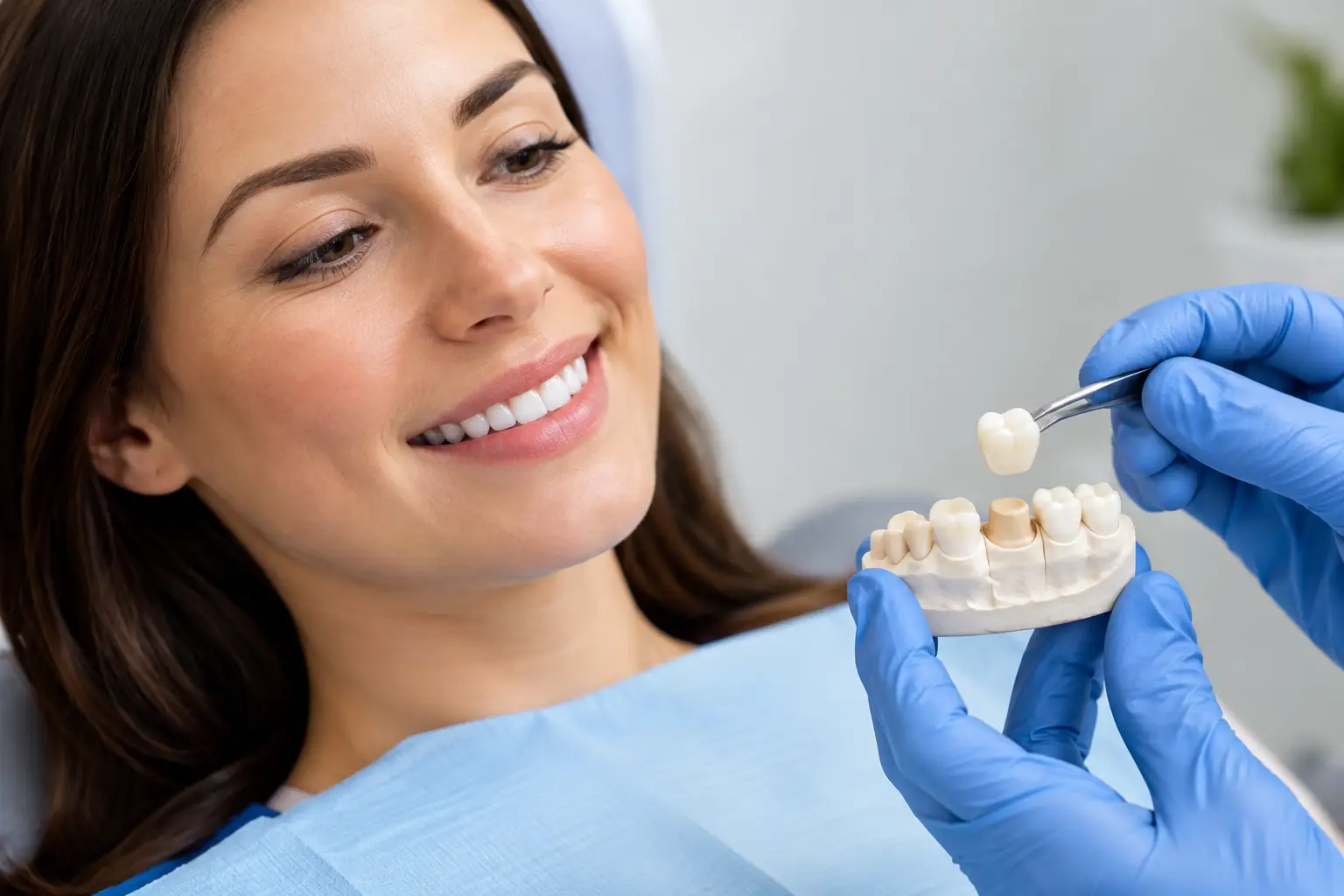
Cosmetic bonding uses a tooth-colored composite resin to improve the appearance of one or more teeth. Your dentist applies the material in small layers, shapes it by hand, and hardens it with a special curing light. The resin is then refined and polished so it blends with the surrounding enamel.
Bonding can often address a chipped edge, a worn or uneven tooth, small spaces between teeth, mild discoloration, or a tooth that looks slightly too short or narrow. It may also be used to make minor contour changes when a tooth does not quite match the rest of the smile.
The appeal is simple: treatment is usually conservative. In many cases, little to no enamel needs to be removed. That matters to patients who want an aesthetic improvement but are not ready for a more extensive treatment.
When Cosmetic Bonding Makes Sense
Bonding tends to work best when the concern is small to moderate and the tooth beneath it is healthy. A front tooth with a chipped corner, for example, may be an excellent candidate. So may a small gap between front teeth when the bite allows for it.
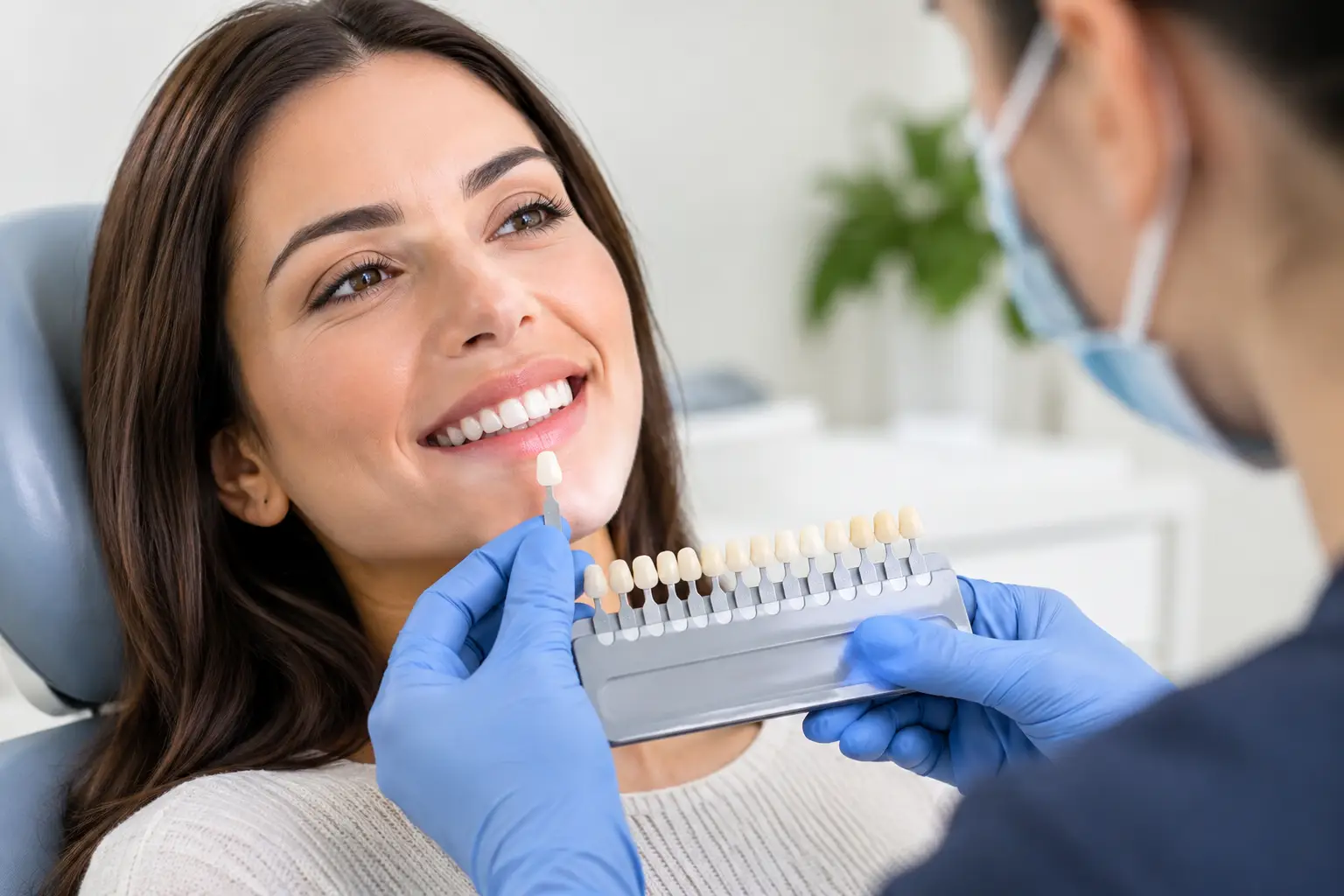
It can also be a thoughtful choice after whitening. If you plan to brighten your teeth, whitening first allows the composite shade to be matched to your new tooth color. Composite does not whiten in the same way natural enamel does, so planning the order of treatment helps keep the finished result consistent.
That said, cosmetic bonding is not automatically the best answer for every concern. Larger fractures, significant decay, teeth that are severely worn, or areas under heavy biting pressure may need a crown, veneer, orthodontic treatment, or another restorative solution. If you clench or grind your teeth, a nightguard may be recommended to protect your investment, whether you choose bonding, veneers, or crowns.
A careful exam is what turns a cosmetic wish into a safe treatment plan. Your dentist will consider your bite, gum health, tooth structure, and the way neighboring teeth reflect light. A beautiful result also needs to function well when you eat, speak, and smile naturally.
What Your Appointment Can Feel Like
Many patients are pleasantly surprised by how straightforward bonding can be. Treatment often does not require anesthesia unless decay is being removed or the area is especially sensitive. The tooth is gently prepared if needed, then the composite is placed, shaped, cured, and polished.
The artistic part happens in the details. Tooth enamel is not flat white. It has translucency, subtle color variation, and texture. Your dentist selects and shapes the resin with those characteristics in mind, then checks how it looks from different angles and how it meets your bite.
For a small repair, the visit may be completed in about an hour. More detailed work on several teeth can take longer. Before treatment, digital scans and smile-design tools can help make the plan easier to understand. When a change involves multiple teeth or a broader smile refresh, a preview can be especially valuable because you can discuss shape, proportions, and expectations before work begins.
Comfort matters during an elective appointment. If dental visits make you tense, say so before you sit down. A calm environment, transparent explanations, and simple comforts such as noise-canceling headphones, an eye mask, or a neck pillow can make it easier to settle in. You should never feel rushed through decisions about your smile.
Cosmetic Bonding Compared With Veneers
Bonding and veneers can both improve tooth shape, color, and symmetry, but they are not interchangeable. Cosmetic bonding adds composite directly to the tooth and is often the more conservative option for smaller changes. It is usually completed more quickly and may have a lower initial cost.
Porcelain veneers are custom-made shells that cover the front surface of teeth. They can be a stronger choice for more dramatic or comprehensive changes, such as broader color changes, more extensive wear, or several teeth that need coordinated reshaping. Porcelain is also highly stain-resistant and can offer long-term color stability.
The trade-off is that veneers usually require more planning and, in many cases, some enamel modification. Bonding can be repaired more easily if it chips, while porcelain repairs may be more involved. Neither choice is universally better. The right option depends on the condition of your teeth, your desired level of change, your habits, and your long-term goals.
How Long Does Cosmetic Bonding Last?
With thoughtful care, cosmetic bonding can last for several years. Its lifespan varies because composite resin is durable but not indestructible. Location matters: bonding on a front edge that meets a strong bite may wear differently than bonding used to soften a small gap. Coffee, tea, red wine, tobacco, and deeply colored foods can gradually stain composite over time.
A few everyday habits can help protect it:
- Avoid using your teeth to open packages, hold pins, or bite fingernails.
- Be careful with hard candies, ice, and other items that can chip a repaired edge.
- Brush twice daily with a nonabrasive toothpaste and keep regular professional cleanings.
- Wear a custom nightguard if you grind or clench while sleeping.
Polishing at a routine visit can sometimes refresh minor surface staining. If a bonded area eventually chips, stains noticeably, or no longer matches the surrounding teeth, it can often be repaired or replaced. Your dentist can help you weigh whether a simple touch-up or a different treatment would serve you better at that stage.
Questions to Ask Before You Decide
The best cosmetic decisions are clear decisions. Ask what the treatment can realistically change, how much of your natural tooth will be altered, and what maintenance it may need over time. It is also reasonable to ask whether whitening, orthodontics, gum contouring, or a restorative treatment should come first.
Be honest about the look you want. Some patients want a barely noticeable correction. Others want a brighter, more balanced smile across several teeth. Bringing a photo can be helpful, but your dentist should explain which features can be adapted safely to your own facial proportions, enamel, and bite.
Cost is another practical part of the conversation. Fees can vary based on the number of teeth, the complexity of shaping, and whether other care is needed first. A treatment coordinator can review insurance where applicable, membership benefits for uninsured patients, and financing options so you have a clear picture before moving forward.
A small change in a smile can carry more weight than most people expect. If a chip, gap, or uneven edge has been quietly bothering you, a consultation gives you space to see the possibilities, ask questions without pressure, and choose a path that feels right for your smile and your life.