A front tooth with a large old filling, a chipped edge, or a dark discoloration can make you hesitate before smiling in photos. Yet the right solution is not always obvious. Understanding crowns versus veneers differences starts with one question: does the tooth primarily need protection, a cosmetic refresh, or both?
Both restorations can create a beautiful, natural-looking smile. Both are custom made to match your surrounding teeth. But they cover different amounts of the tooth, address different concerns, and require different levels of preparation. A thoughtful exam helps ensure your treatment supports not only the smile you want now, but also your long-term oral health.
The Main Difference Between a Crown and a Veneer
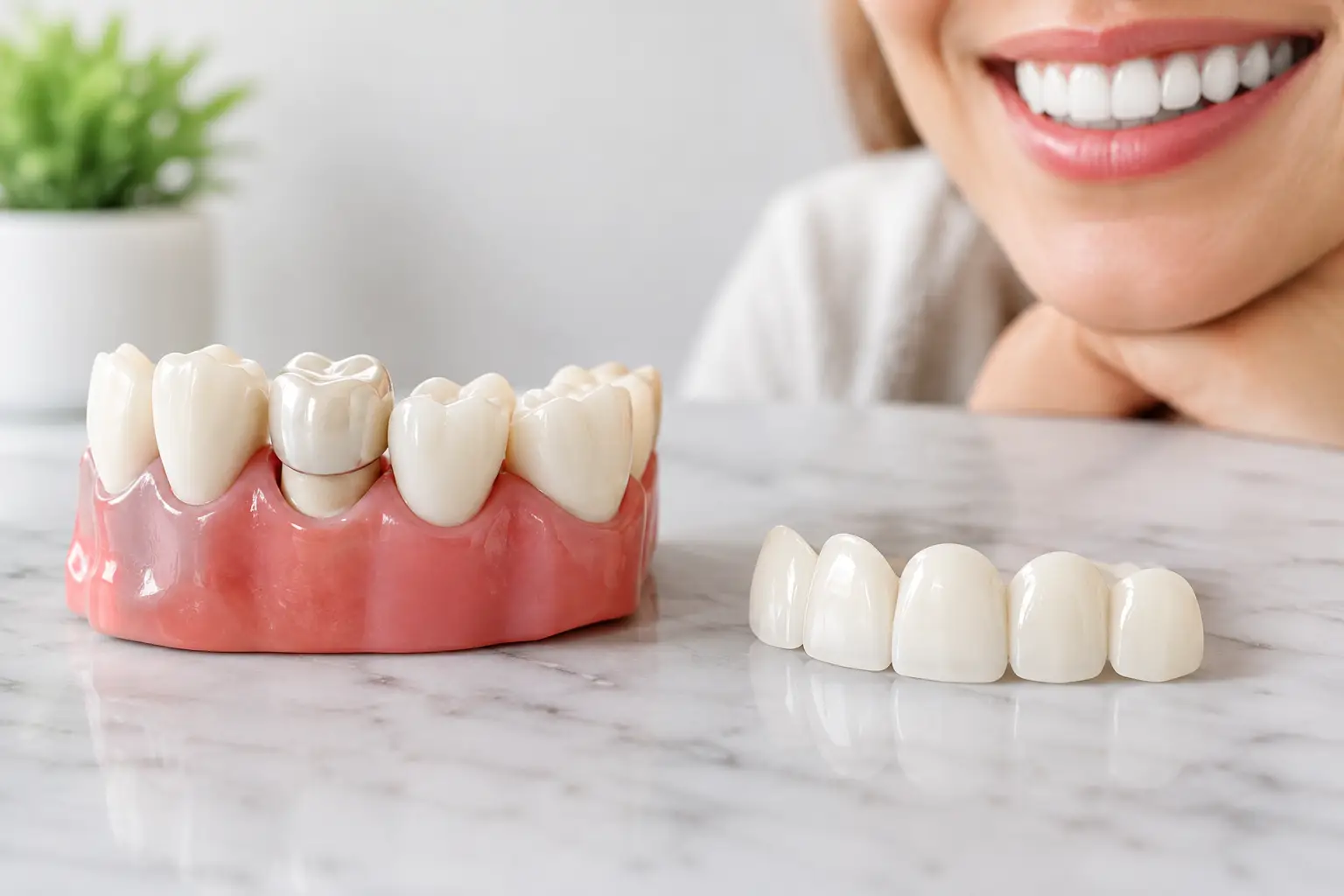
A veneer is a thin, custom-crafted shell placed on the front surface of a tooth. It is designed mainly to improve what people see when you smile: color, shape, length, minor spacing, and small chips or wear.
A crown covers the entire visible portion of a tooth, much like a fitted cap. Because it surrounds the tooth, it can restore strength as well as appearance. Crowns are often recommended when a tooth is cracked, heavily decayed, extensively filled, worn down, or weakened after root canal therapy.
Think of a veneer as a precise cosmetic enhancement for a tooth that is fundamentally healthy and strong. A crown is a full-coverage restoration for a tooth that needs more structural support. The best choice depends on the condition beneath the surface, not simply the result you see in the mirror.
Crowns Versus Veneers Differences in Tooth Preparation
The amount of natural tooth structure involved is one of the most meaningful differences between these options.
For a traditional veneer, a dentist typically removes a small amount of enamel from the front of the tooth, and sometimes from the edge, to create room for the material. This allows the veneer to sit naturally within your smile rather than looking bulky. In select situations, little-prep or no-prep veneers may be possible, but they are not right for every tooth or every cosmetic goal.
A crown requires more shaping because it covers every side of the tooth. The dentist carefully reduces the tooth so the crown has enough space to be strong and look natural. If decay or damaged material is present, that is removed first. When a tooth has lost substantial structure, a crown may be the more conservative choice in a broader sense because it helps preserve what remains and reduces the risk of further fracture.
Neither option should be treated as a one-size-fits-all shortcut. The goal is always to preserve healthy tooth structure whenever possible while giving the tooth the support it needs.
When Veneers May Be the Better Fit
Veneers are often chosen by patients who want a more polished, balanced smile but do not have major structural damage. They can be an excellent option for teeth with stubborn staining that does not respond well to whitening, slightly uneven shapes, small gaps, mild crowding, or worn and chipped front edges.
They are also useful when several visible teeth need a coordinated change. Rather than treating one concern at a time, veneers can create a more consistent color, proportion, and symmetry across the smile. The result should still look like you, just more refreshed and intentional.
However, veneers are not ideal for every situation. A tooth with a large filling, active decay, a significant crack, or very limited remaining enamel may need a crown instead. People who clench or grind their teeth may also need a protective nightguard, whether they choose veneers or crowns, to protect their investment from excessive force.
When a Crown Is the Better Choice
Crowns are restorative workhorses. They are commonly used to rebuild a tooth after extensive decay, a large fracture, or a failing filling that takes up much of the tooth. They are also frequently placed after root canal treatment, particularly on back teeth that absorb heavy chewing pressure.
For a visible front tooth, a modern ceramic crown can be designed with remarkable attention to color, translucency, and shape. It does not have to look opaque or artificial. The difference is that its purpose is not cosmetic alone. It is built to restore the tooth’s form and function while helping protect it from breaking further.
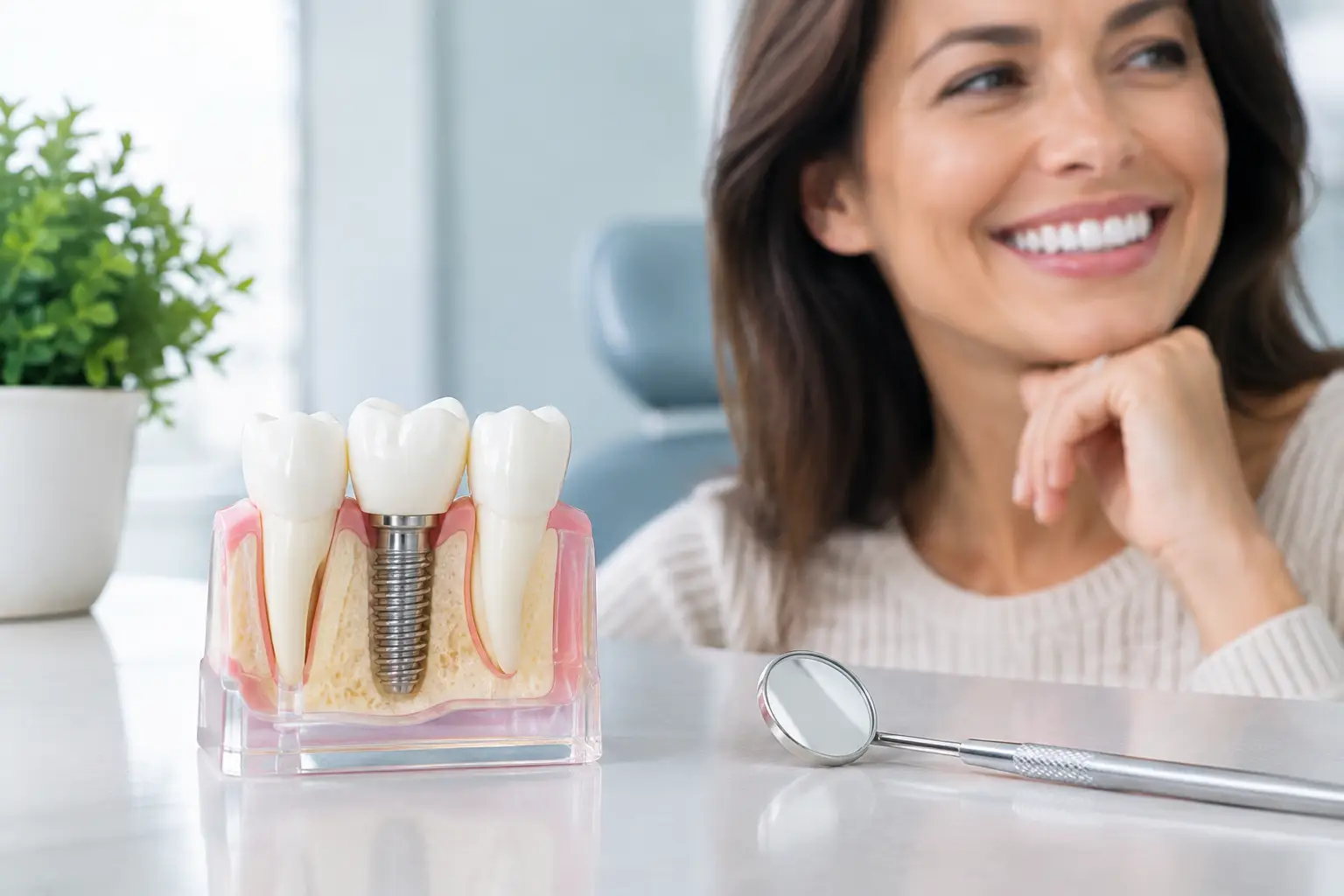
A crown can also anchor a bridge or restore a dental implant. Veneers cannot perform these structural roles. If the tooth is healthy enough for a veneer, covering it fully with a crown may be more treatment than necessary. If the tooth is too compromised for a veneer, a beautiful veneer would not solve the underlying problem.
Appearance, Materials, and Longevity
Both crowns and veneers can be made from high-quality ceramics that closely mimic natural enamel. The best material depends on where the tooth is located, how much force it receives, the shade of neighboring teeth, and the degree of correction needed.
Veneers are especially valued for their lifelike appearance on front teeth. Ceramic can reflect light in a way that creates depth and translucency, rather than a flat, overly white look. Crowns can achieve similarly beautiful results, though the design must balance aesthetics with the strength needed for that specific tooth.
With good home care and regular dental visits, both can last many years. Their lifespan varies based on the material, fit, bite, brushing habits, diet, and whether you grind your teeth. Neither is permanent in the sense that it will never need attention again. Over time, a restoration may need repair or replacement, and the gumline can change as well.
A precise fit matters. It helps keep the restoration comfortable, supports healthy gums, and makes daily cleaning easier. Digital scans and smile-design planning can bring more clarity to the process, allowing you to see and refine important aesthetic details before the final restoration is made.
What the Treatment Experience Is Like
For either treatment, the first visit begins with a conversation and a close look at your teeth, gums, bite, and goals. Photos, digital scans, and X-rays may be used to understand what is happening beyond the visible surface. If cosmetic changes are planned, smile-design tools can help you preview proportions, color, and the overall direction before moving forward.
At the preparation visit, the tooth is gently numbed, shaped as needed, and digitally scanned. A temporary restoration may be placed while your custom veneer or crown is created. At the final visit, the restoration is checked for fit, color, comfort, and bite before it is bonded or cemented into place.
For patients who feel nervous about dental treatment, comfort is part of good care, not an afterthought. A calm pace, clear explanations, and small details such as noise-canceling headphones, an eye mask, or a neck pillow can make the experience feel far more manageable. At SoFlo Dental Studio, the goal is to help you feel informed and cared for at every step. Relax. We’ve got you.
Cost and Insurance Considerations
Cost is understandably part of the decision, but it should not be the only deciding factor. Veneers are usually considered cosmetic, so dental insurance often does not contribute to their cost. Crowns may receive insurance coverage when they are medically necessary to restore a damaged or weakened tooth, although benefits vary by plan, deductible, annual maximum, and the reason for treatment.
The total investment can also differ based on the number of teeth involved, the material selected, whether additional treatment is needed first, and the complexity of your bite or cosmetic goals. If you are considering several veneers as part of a smile makeover, a clear treatment plan can help you understand the timing and financial options before you begin.
Ask for a transparent estimate and an explanation of what is included. For many patients, insurance coordination, financing options, or a dental membership plan can make needed care feel more accessible without rushing a decision.
How to Choose With Confidence
The right choice is rarely about which restoration is “better.” It is about what your individual tooth needs. A veneer may be the elegant answer for a healthy front tooth that needs a visual change. A crown may be the wiser choice when the tooth needs full protection before it can look its best.
If you are weighing crowns and veneers, start with an exam that considers your tooth health, bite, gum health, lifestyle, and the smile you hope to see. You deserve an explanation that feels clear, never pressured, and a plan that lets you move forward with confidence.