A smile makeover should feel exciting, not like a financial mystery. This cosmetic dentistry financing guide is designed to replace uncertainty with a clear path: understand your treatment, see what affects the cost, and choose a payment approach that fits your life without rushing a decision.
Cosmetic dentistry is personal. You may be thinking about whitening before a wedding, veneers to address years of discoloration or uneven edges, clear aligners to straighten your smile discreetly, or a more complete transformation that includes crowns, implants, and gum care. The right plan depends on your goals, your oral health, and the timeline that feels comfortable to you.
Start With a Clear Treatment Plan
Before discussing payment, make sure you know exactly what you are being asked to invest in. A thoughtful cosmetic consultation should not feel like a sales pitch. It should give you space to share what you would like to change, what you already like about your smile, and what matters most to you – whether that is a natural look, durability, a faster timeline, or staying within a certain monthly budget.
Modern digital scans and smile-design tools can make this conversation much easier. Seeing a proposed result before treatment begins helps turn broad hopes into specific choices. You may decide that subtle whitening and bonding meet your goals, or you may feel confident moving ahead with veneers or a larger restorative plan. Either answer is useful. The best treatment is not necessarily the biggest treatment. It is the one that supports your health, looks like you, and feels worthwhile to you.
Ask for a written treatment plan that separates recommended care from elective enhancements when possible. If a tooth needs a crown for strength before a cosmetic improvement can be completed, that distinction matters for both your health and your budget.
What Determines the Cost of Cosmetic Dentistry?
There is no honest one-price answer for cosmetic care. The final investment can vary based on the treatment selected, the number of teeth involved, the materials used, laboratory craftsmanship, and whether any restorative or periodontal care is needed first.
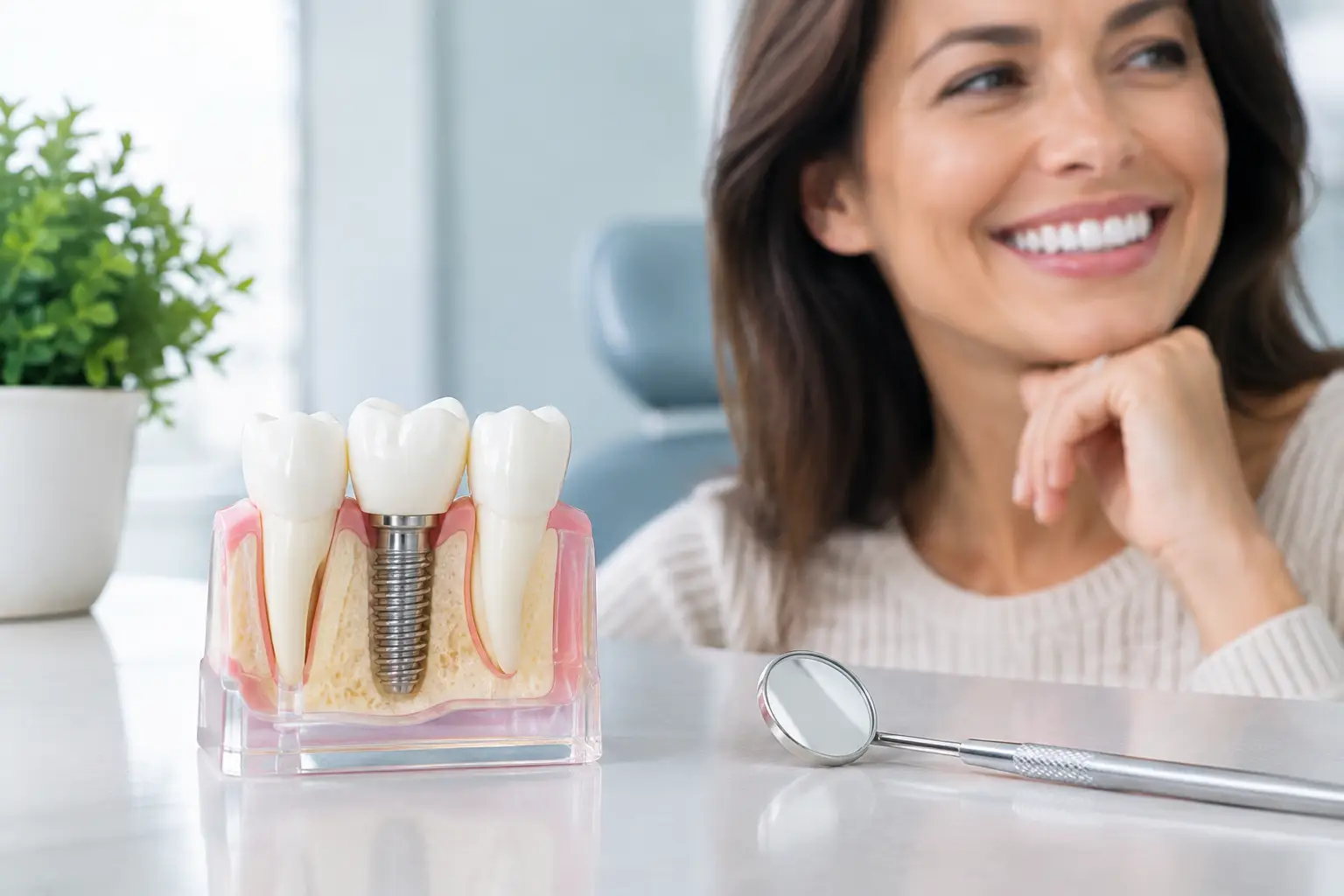
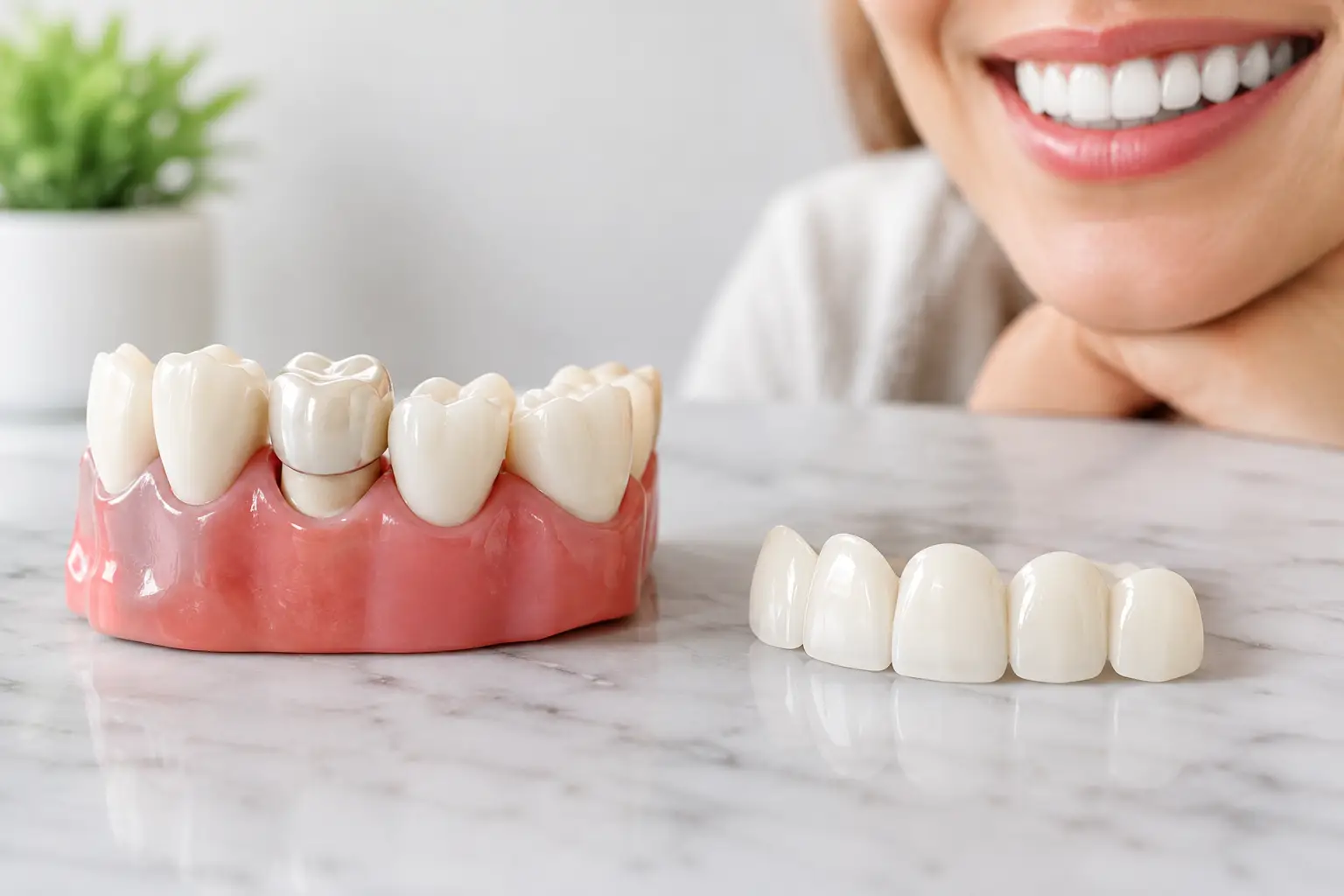
For example, professional whitening is generally a more limited investment than veneers because it changes the color of existing teeth rather than reshaping and restoring them. Clear aligner treatment depends on the complexity of tooth movement and the length of care. A single crown is different from rebuilding several worn, damaged, or missing teeth. Implant dentistry also involves careful planning and may include surgical, restorative, and bone-support considerations.
A lower initial estimate is not always the better value if it leaves out necessary preparation, follow-up visits, temporary restorations, or long-term quality. At the same time, a comprehensive plan may be more than you need. A good dentist will explain the trade-offs plainly, without making you feel pressured to choose a treatment that does not fit your priorities.
Cosmetic Dentistry Financing Guide: Know Your Options
Most patients use one or a combination of payment methods. The best choice depends on your available savings, insurance benefits, credit situation, treatment timeline, and comfort with monthly payments.
Insurance May Help With the Health-Related Portion
Dental insurance often does not cover procedures performed only for appearance, such as elective whitening or veneers. However, it may contribute when treatment is medically necessary or restorative in nature. A crown protecting a cracked tooth, for instance, may be handled differently than a veneer placed only to change shape or color.
Coverage is determined by your individual plan, and benefits can include deductibles, waiting periods, annual maximums, and exclusions. Ask the office to help review your benefits before care begins, but remember that an estimate is not a guarantee of payment from the insurance company. Knowing the likely covered and out-of-pocket portions early can prevent unpleasant surprises later.
Use Savings for Flexibility and Simplicity
Paying from savings can be a practical option for patients who prefer to avoid financing charges or monthly obligations. Some people set aside funds gradually after their consultation, especially for an elective treatment with a flexible timeline.
This approach works best when it does not leave your household without an emergency cushion. Cosmetic treatment should add confidence to your life, not create unnecessary financial strain. If paying in full would make everyday expenses feel tight, a phased plan or financing option may offer more breathing room.
Consider Healthcare Financing for Monthly Payments
Healthcare financing can allow qualified patients to spread eligible treatment costs into monthly payments. At SoFlo Dental Studio, CareCredit financing may be available for patients who prefer this approach. Approval, interest rates, promotional terms, minimum payments, and repayment periods vary, so review the agreement carefully before accepting an offer.
A promotional financing period can be useful, but it is not automatically the least expensive option. Understand what happens if the balance is not paid by the promotional deadline and what your payment will be afterward. Choose a monthly amount you can reliably manage, not simply the lowest required payment.
Ask Whether Treatment Can Be Phased
Not every smile goal has to happen in one appointment or one season. In some cases, care can be staged so that urgent health needs are addressed first and cosmetic enhancements follow later. You might complete periodontal treatment and a necessary crown now, then plan whitening or bonding at a later date.
Phasing is not appropriate for every situation. Certain treatments are designed as a coordinated whole, and postponing one step may affect the result or require additional adjustments. Still, it is a valuable question to ask. A respectful practice will explain what can safely wait, what should not, and why.
Four Questions to Ask Before You Commit
A financing conversation should leave you feeling informed, not cornered. Before you move forward, ask these questions:
- What is included in the total treatment estimate, including follow-up appointments and any temporary restorations?
- Which parts, if any, may be eligible for insurance coverage, and what is my expected out-of-pocket amount?
- If I finance, what will I pay each month, how long will repayment take, and what happens if the balance remains after a promotional period?
- Can this treatment be phased without compromising my oral health or the final result?
It is also reasonable to ask what maintenance your new smile will need. Whitening may require occasional touch-ups. Veneers, crowns, and bonding need consistent home care and regular exams. Clear aligner results depend on wearing retainers after treatment. Building maintenance into your long-term budget protects the investment you are making today.
Put Comfort Into the Financial Conversation
For many people, cost is not the only concern. It can be uncomfortable to say, “I love this plan, but I need another way to pay for it.” You deserve a team that treats that question with the same care as a clinical concern.
Bring your budget into the conversation early. You do not need to share every financial detail. Simply stating a preferred monthly range or a total amount you feel comfortable investing can help your dental team present options with greater clarity. There may be more than one path to a healthier, more confident smile.
At a comfort-first practice, the details matter – from having time to ask questions to receiving transparent explanations before treatment begins. That same calm, respectful approach should extend to payment planning. You should never feel rushed into care because you are anxious, embarrassed, or worried someone will judge your budget.
A Better Next Step Than Guessing
The most useful next step is a consultation built around your goals, your oral health, and your real-world budget. Bring questions, take time to consider the plan, and ask for the numbers in writing. A beautiful result is meaningful, but confidence also comes from knowing how you will get there and what the commitment involves.
When the plan feels clear and the payment approach feels manageable, you can focus on the part that matters most: enjoying a smile that feels natural, healthy, and fully your own.