A smile makeover is rarely about chasing a perfect set of teeth. More often, it begins with a small, personal concern: hiding a smile in photos, noticing worn edges in the mirror, or feeling that old dental work no longer reflects how someone feels inside. The most meaningful smile makeover patient stories are not just before-and-after moments. They are stories of people feeling comfortable enough to be seen again.
For some patients, the goal is subtle refinement. For others, it is rebuilding function after years of wear, damage, or missing teeth. Either way, a thoughtful result starts with listening, not selling a one-size-fits-all treatment plan.
What Smile Makeover Patient Stories Often Have in Common
Every smile, budget, and timeline is different. Still, patients who are happiest with their experience tend to describe a similar shift: they went from uncertainty about what was possible to feeling informed and in control of their choices.
That matters because cosmetic dentistry can feel deeply personal. A patient may know they want a brighter, more balanced smile but have no idea whether they need whitening, bonding, veneers, crowns, clear aligners, implants, or a combination of treatments. The first conversation should make the path clearer, not more overwhelming.
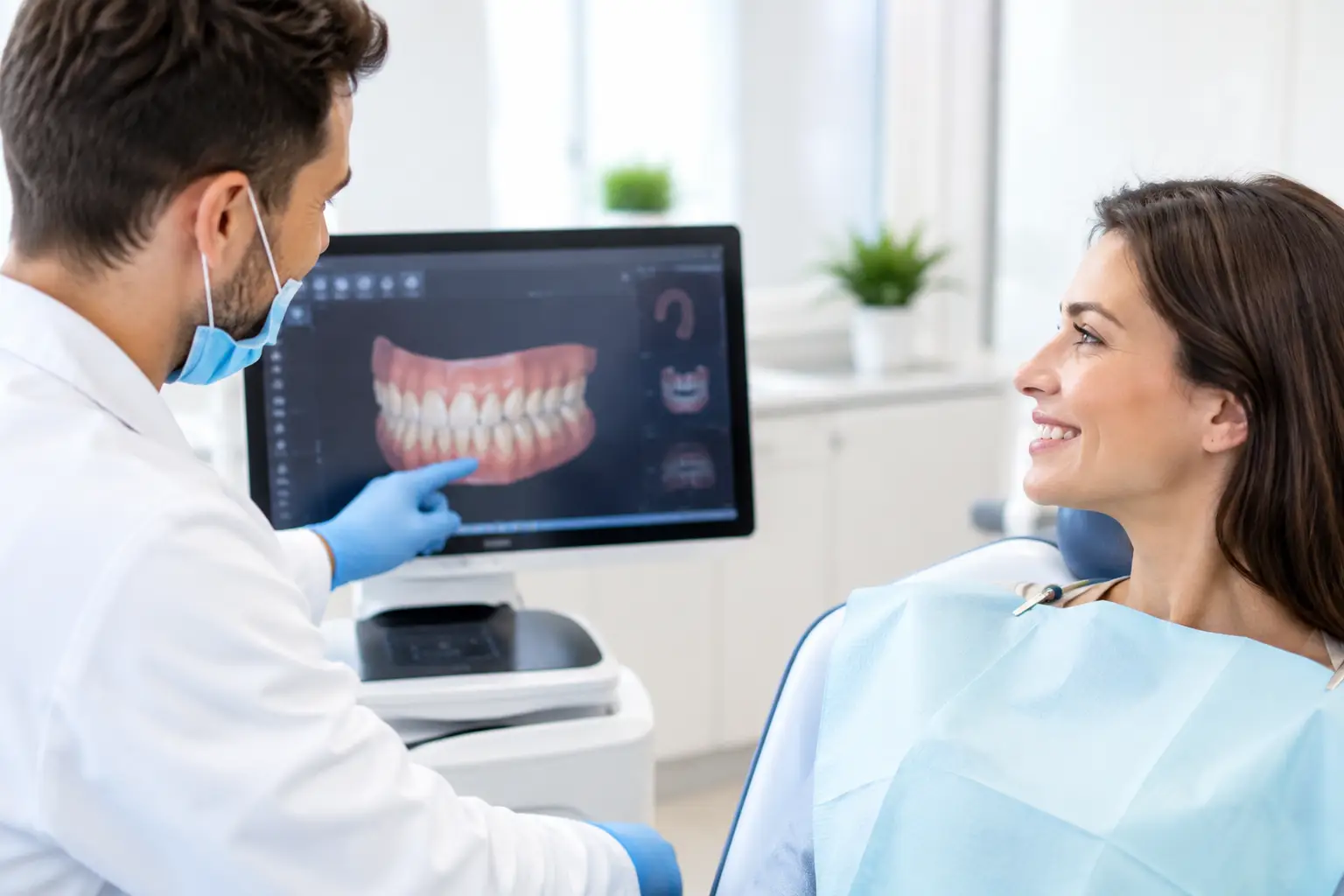
At SoFlo Dental Studio, that conversation is designed to happen at a comfortable pace. Digital scans and smile-design technology can help patients see and discuss potential changes before treatment begins. It is easier to make a confident decision when you can react to a visual plan rather than trying to imagine the result from a technical explanation alone.
The professional who wanted a polished, natural look
One common story starts with a busy professional who has spent years feeling self-conscious about uneven, discolored, or chipped front teeth. They may have tried whitening before, only to find that it did not improve the shape of the teeth or lighten older bonding and crowns.
Their goal is usually not a dramatic, celebrity-style change. They want their smile to look rested, healthy, and naturally theirs. Depending on the condition of the teeth, treatment might include whitening followed by conservative bonding, or a carefully planned set of veneers or crowns.
The trade-off is worth discussing honestly. Whitening is the least invasive option, but it cannot correct major shape differences, deep wear, or old restorations that no longer match. Veneers can create more comprehensive changes in color and proportion, yet they are a long-term commitment and require careful planning. A good makeover does not begin with the most extensive treatment. It begins with the option that supports the patient’s goals while preserving as much healthy tooth structure as possible.
The patient who avoided the camera
Another familiar journey belongs to someone who has gradually stopped smiling in pictures. Perhaps one front tooth darkened after an old injury. Maybe there is a noticeable gap, uneven gumline, or a crown that never quite blended in. These concerns can seem small to other people, but they can affect confidence every day.
For this patient, the emotional relief often comes before the final result. It begins when someone takes the concern seriously without making them feel judged for waiting. A clear plan may involve treating the health issue first, then improving the visible details through whitening, bonding, a crown, periodontal treatment, or orthodontic alignment.
The order matters. Cosmetic treatment placed over untreated decay, gum inflammation, bite issues, or a failing restoration is not a lasting solution. The most beautiful smiles are supported by healthy teeth and gums. That may mean the makeover takes longer than expected, but it also makes the investment more dependable.
The patient rebuilding after years of dental problems
Some stories are less about a single cosmetic concern and more about finally addressing years of postponed dentistry. Teeth may be worn down from grinding, weakened by large fillings, missing altogether, or painful to chew with. The patient may feel embarrassed, anxious, or convinced that their situation is too complicated.
It is not too late to start, and the answer is not always a full-mouth reconstruction. Sometimes restoring one failing tooth, replacing a missing tooth with an implant, protecting worn teeth with crowns, and improving alignment can create a major difference in comfort and appearance over time.
These cases often require the most patience. Treatment may be phased around health needs, healing time, schedule, and finances. Yet many patients find that breaking the process into clear steps makes it feel manageable. The goal is not to rush toward a finish line. It is to create a smile that works well, feels comfortable, and looks like it belongs to the person wearing it.
A Smile Makeover Should Be Designed, Not Guessed
A smile is not separate from the rest of the face. Tooth length, color, spacing, gum display, lip movement, bite, and facial proportions all influence the final look. That is why photos, digital scans, and a close conversation about preferences are so valuable.
Some patients want a bright, high-contrast white. Others prefer a softer shade that looks naturally refreshed. Some want every small asymmetry corrected, while others want to keep the character that makes their smile recognizable. Neither preference is wrong. The right result depends on what feels authentic to the patient.
Digital smile planning can make these choices more concrete. Patients can review proposed proportions and discuss adjustments before any irreversible work begins. It is also a chance to talk about practical details, such as how many appointments may be needed, whether temporary restorations are involved, and how the planned treatment may affect eating, speech, or daily routines during the process.
Comfort Is Part of the Experience
Dental anxiety is common, including among people who have kept up with regular care for years. A cosmetic consultation can bring its own pressure because patients may worry about being pushed into treatment or feel nervous about revealing what they dislike about their smile.
A comfort-first experience changes the tone. Transparent explanations, unrushed questions, and small details such as noise-canceling headphones, eye masks, and neck pillows can help patients settle in. More importantly, patients should know what is happening, why it is recommended, and what their alternatives are at every stage.
That kind of care is especially valuable during longer appointments. Relaxation does not replace clinical precision. It creates the calm, supported environment where patients can make thoughtful decisions and receive treatment without feeling rushed through it.
The Questions Worth Asking Before You Begin
Before committing to any smile makeover, ask what problem each treatment is meant to solve. Ask whether there are more conservative options, what maintenance will be needed, and what could happen if treatment is delayed. If you are considering veneers, crowns, implants, or clear aligners, ask how your bite and gum health affect the recommendation.
It also helps to ask about timing and payment early. Cosmetic care is an investment, and there is no benefit to pretending otherwise. Some plans can be completed in a few visits, while others are best phased over several months. Insurance may help with medically necessary restorative care, but it typically does not cover elective cosmetic improvements. Membership options and financing can make a plan more manageable, but the decision should still feel comfortable for your budget.
Most of all, ask whether the proposed smile looks like you. A successful makeover should not erase personality. It should let your expression come through without hesitation.
The best patient stories do not end when treatment is finished. They continue at dinner with friends, in family photos, during a presentation, or in the simple moment when someone catches their reflection and smiles without thinking twice.