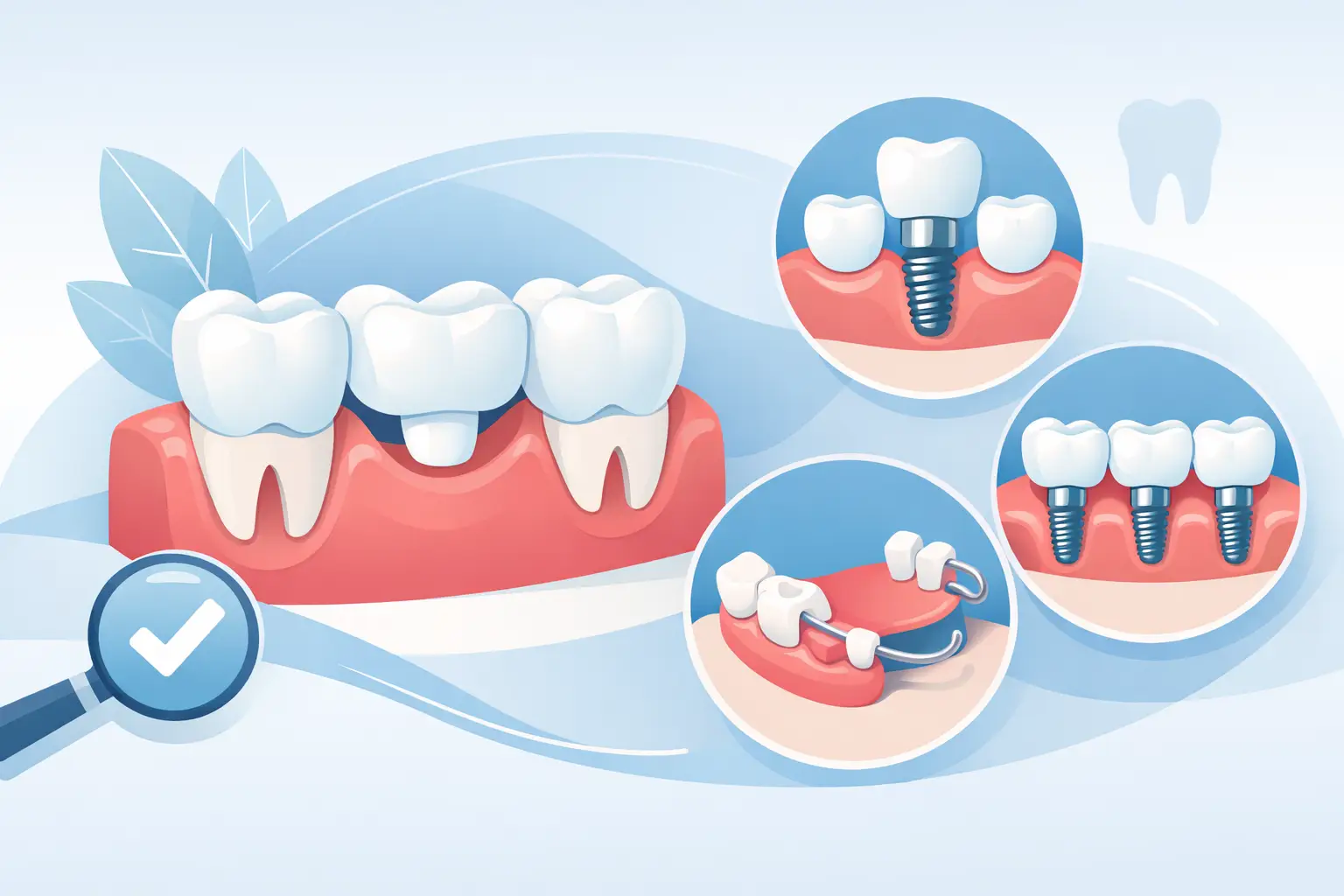
A bridge can feel like a permanent part of your smile – until it loosens, chips, no longer feels comfortable, or the tooth beneath it develops a problem. Dental bridge replacement options are not one-size-fits-all. The right next step depends on why the bridge needs attention, the health of the supporting teeth and gums, and what you want your smile to look and feel like for years ahead.
At SoFlo Dental Studio, the conversation begins with clarity, not pressure. Digital imaging and a careful exam help reveal what is happening below the surface, so you can make a confident decision without being rushed.
When Does a Dental Bridge Need Replacement?
A well-made dental bridge can often last many years, but it is still exposed to daily chewing forces, temperature changes, and normal wear. Replacement may be recommended when the bridge is cracked, worn, loose, or repeatedly coming uncemented. You may also notice a new gap at the gumline, sensitivity, pain when biting, food catching around the bridge, or a change in how your bite feels.
Sometimes, the bridge itself is not the central issue. Decay can develop around a supporting tooth, gum disease can weaken the foundation, or a tooth under a crown can become infected. A bridge that looks acceptable from the outside may need to come off so the underlying tooth can be properly evaluated and treated.
That does not automatically mean an emergency or a major procedure. It means the first priority is understanding the cause. Replacing a bridge without addressing the reason it failed can set you up for the same problem again.
Dental Bridge Replacement Options to Consider
Your dentist will look at the condition of the bridge, the teeth next to the missing space, your bone and gum health, and the location of the missing tooth or teeth. From there, several paths may make sense.
Replace the bridge with a new traditional bridge
If the supporting teeth are healthy enough and the overall design is still appropriate, a new bridge may be the most direct option. The existing bridge is carefully removed, the supporting teeth are evaluated and treated if needed, and a new custom bridge is created.
Modern materials can provide a very natural appearance, especially when color, shape, and translucency are thoughtfully matched to your surrounding teeth. A new bridge can be a practical choice when you want to restore function efficiently, avoid surgery, or replace a bridge that has simply reached the end of its lifespan.
The trade-off is that a traditional bridge relies on the teeth beside the gap. Those teeth must be prepared to support the restoration, and they will continue to carry extra biting force over time. For many patients, that is a reasonable and successful solution. For others, preserving neighboring healthy teeth becomes the bigger priority.
Consider an implant-supported crown
A single dental implant replaces the missing tooth root with a small titanium post placed in the jawbone. Once it heals and integrates with the bone, it supports an individual crown. Unlike a traditional bridge, an implant does not require shaping the teeth on either side of the space.
This can be an excellent long-term option if the adjacent teeth are healthy, you have adequate bone support, and you are comfortable with a surgical process and a longer treatment timeline. Implants also help stimulate the jawbone in the area of the missing tooth, which may help limit the bone changes that can happen after tooth loss.
Implant treatment takes planning. Some patients need a bone graft before implant placement, and healing periods vary. It is also typically a larger financial investment upfront than a conventional bridge. Still, for the right candidate, the independence and stability of an implant can make that investment worthwhile.
Use an implant-supported bridge for multiple missing teeth
When several teeth in a row are missing, an implant-supported bridge may replace them without placing an implant for every single tooth. The bridge is secured to strategically placed implants rather than relying on natural teeth for support.
This approach can offer excellent stability and a more natural chewing experience. It may be especially helpful when the neighboring natural teeth are not strong enough to support another conventional bridge or when a removable partial denture has become frustrating to wear.
Planning is particularly important here. Your dentist will assess the number and location of missing teeth, available bone, bite forces, and your smile line. Digital scans can help map out the restoration before treatment begins, making the process feel more visible and easier to understand.
Repair the bridge when replacement is not yet necessary
Not every concern calls for a full replacement. A small porcelain chip, minor rough edge, or loose bridge may sometimes be repaired or recemented. This is most likely when the bridge and supporting teeth remain structurally sound.
Repair can be a helpful short-term solution, but it is not always the durable answer. If a bridge repeatedly loosens or shows signs of decay below a crown, simply recementing it may delay care rather than solve the problem. A straightforward explanation of what is temporary and what is likely to last can help you decide how to move forward.
What Happens to the Teeth Under an Old Bridge?
This is often the question patients are most worried about, and understandably so. After a bridge is removed, the supporting teeth may need only gentle cleaning and preparation for a new restoration. In other cases, the dentist may find decay, a fracture, gum inflammation, or an infection that needs treatment first.
A tooth with manageable decay may be rebuilt and crowned as part of a new bridge. If the nerve is affected, root canal therapy can sometimes preserve the tooth. If a supporting tooth cannot be saved predictably, the treatment plan may shift toward implants or a different bridge design.
No one wants an unexpected change in a treatment plan. Clear imaging, photographs, and a thorough discussion before work begins can reduce surprises. If additional treatment becomes necessary, you should understand why, what alternatives exist, and how it affects the timing and cost of your care.
How to Choose Between a New Bridge and an Implant
The best choice is rarely about a single feature. A traditional bridge can be an efficient, attractive restoration, particularly when adjacent teeth already need crowns or when surgery is not a good fit. An implant can be appealing when neighboring teeth are healthy and preserving them matters most.
Your daily habits also matter. If you clench or grind your teeth, the restoration needs to be designed for those forces, and a protective nightguard may be recommended. If gum disease has been present, bringing inflammation under control is essential before investing in new restorative work. Smoking, certain health conditions, bone density, and healing capacity can also affect implant candidacy.
Aesthetic goals deserve space in the conversation, too. Front-tooth bridges require careful attention to gum contours, tooth proportions, and color matching. Back-tooth replacement may focus more heavily on strength and chewing function. With digital smile-design tools, you can see and discuss key visual details before finalizing cosmetic decisions.
A Comfortable, Planned Replacement Process
Bridge replacement should not feel like something being done to you. It should feel like a plan you understand. After the initial evaluation, your dentist may take digital scans, review X-rays, assess your bite, and discuss material choices. If a bridge is being replaced, a temporary restoration can protect prepared teeth while the final bridge is being crafted.
For patients who feel nervous about dentistry, comfort details matter. A calm setting, transparent explanations, breaks when you need them, and thoughtful touches such as noise-cancelling headphones, an eye mask, or a neck pillow can change the experience. Gentle care does not mean compromising on precision. It means making room for both.
Cost is part of planning as well. Insurance benefits, a membership plan for uninsured patients, and financing options can make it easier to move forward without guessing. Your treatment recommendation should account for immediate needs and long-term value, not push you toward a choice that does not fit your health, goals, or budget.
Questions Worth Asking Before You Decide
Before committing to treatment, ask why your current bridge failed and whether the supporting teeth can be saved. Ask how long each option is expected to last in your specific situation, what maintenance it requires, and what happens if a component needs repair later. You may also want to ask whether an implant would protect healthy neighboring teeth, or whether a new bridge is the more sensible choice given your bite, timeline, and budget.
There is no prize for choosing the most complicated option. The right restoration is the one that restores comfort, function, and confidence while respecting the health of your entire smile. A thoughtful evaluation can turn an aging bridge from a source of worry into a clear opportunity to build something that feels right every time you smile, speak, and eat.