A dental appointment should not require a different plan for every person in your household. Family dentistry brings routine care, unexpected needs, and long-term smile goals into one familiar place – so your family can spend less time coordinating appointments and more time feeling cared for.
For Wellington families, convenience matters, but so does trust. You want a dental team that remembers what makes your child nervous, explains a crown without overwhelming your parent, and respects the limited time between work, school, and everything else on the calendar. The right dental home makes room for all of that.
What Family Dentistry Really Means
Family dentistry is built around caring for patients through many stages of life. It may begin with a child learning that the dental chair is a safe place and continue through adulthood with cleanings, fillings, whitening, crowns, aligners, implants, or gum care. Rather than starting over with a new provider whenever your needs change, you have a team that understands your history and your priorities.
That continuity can be especially valuable when a concern appears between routine visits. A chipped tooth before a presentation, a toothache on a busy week, or a loose restoration can feel less stressful when you already know where to call and who will guide you through the next step.
Family care does not mean every family member receives the exact same treatment. A teen considering clear aligners has different needs from an adult replacing a missing tooth, and a retiree with dry mouth may need a different preventive plan than a young professional. What stays consistent is the relationship, the attention to detail, and the clear explanation behind every recommendation.
Why One Dental Home Makes Life Easier
The practical benefit is obvious: fewer offices to research, fewer forms to repeat, and a simpler way to coordinate care. But a shared dental home offers something more personal, too. It gives your family a place where people know your names, understand your goals, and can notice small changes before they become bigger problems.
Regular visits allow a dentist to track patterns over time. Maybe a child is developing a brushing habit that needs a little support. Maybe an adult is clenching at night and wearing down teeth. Maybe gum inflammation is returning despite daily brushing. These details are easier to spot when care is consistent rather than occasional.
A full-service practice can also make treatment planning feel more straightforward. If an exam reveals that a worn filling needs a crown, or that missing teeth may be affecting your bite, you can discuss restorative and specialty options with the same trusted team. That does not mean every concern needs immediate treatment. Often, the best plan is to monitor an area, improve home care, or address the most urgent need first. Good dentistry is never one-size-fits-all.
Family Dentistry for Every Stage of Life
Children and teens: building comfort early
For younger patients, early dental experiences can shape how they feel about care for years to come. Gentle introductions, simple explanations, and a calm pace help turn an unfamiliar appointment into a normal part of staying healthy. Preventive visits also give parents a chance to ask about brushing, flossing, sports protection, diet, and changes they may be noticing at home.
As teens become more aware of their appearance, conversations may shift toward orthodontic concerns, whitening safety, or protecting teeth during sports. The goal is not to rush anyone into cosmetic treatment. It is to offer age-appropriate guidance and let families make informed decisions.
Adults: prevention with room for bigger goals
Adult dental care often sits at the intersection of health, comfort, and confidence. A routine cleaning might uncover early gum inflammation. A cracked tooth may call for a crown before it breaks further. Or you may simply be ready to talk about a brighter, more balanced smile.
A family dentist can help you prioritize. If several treatments are recommended, ask which needs attention now, what can safely wait, and how each option affects your long-term oral health. Clear answers turn a treatment plan from an intimidating list into a manageable path forward.
Older adults: protecting function and independence
As we age, dental needs can become more complex. Existing crowns and bridges may need maintenance, medications can contribute to dry mouth, and gum health may require closer attention. Missing teeth can also affect eating, speaking, and confidence.
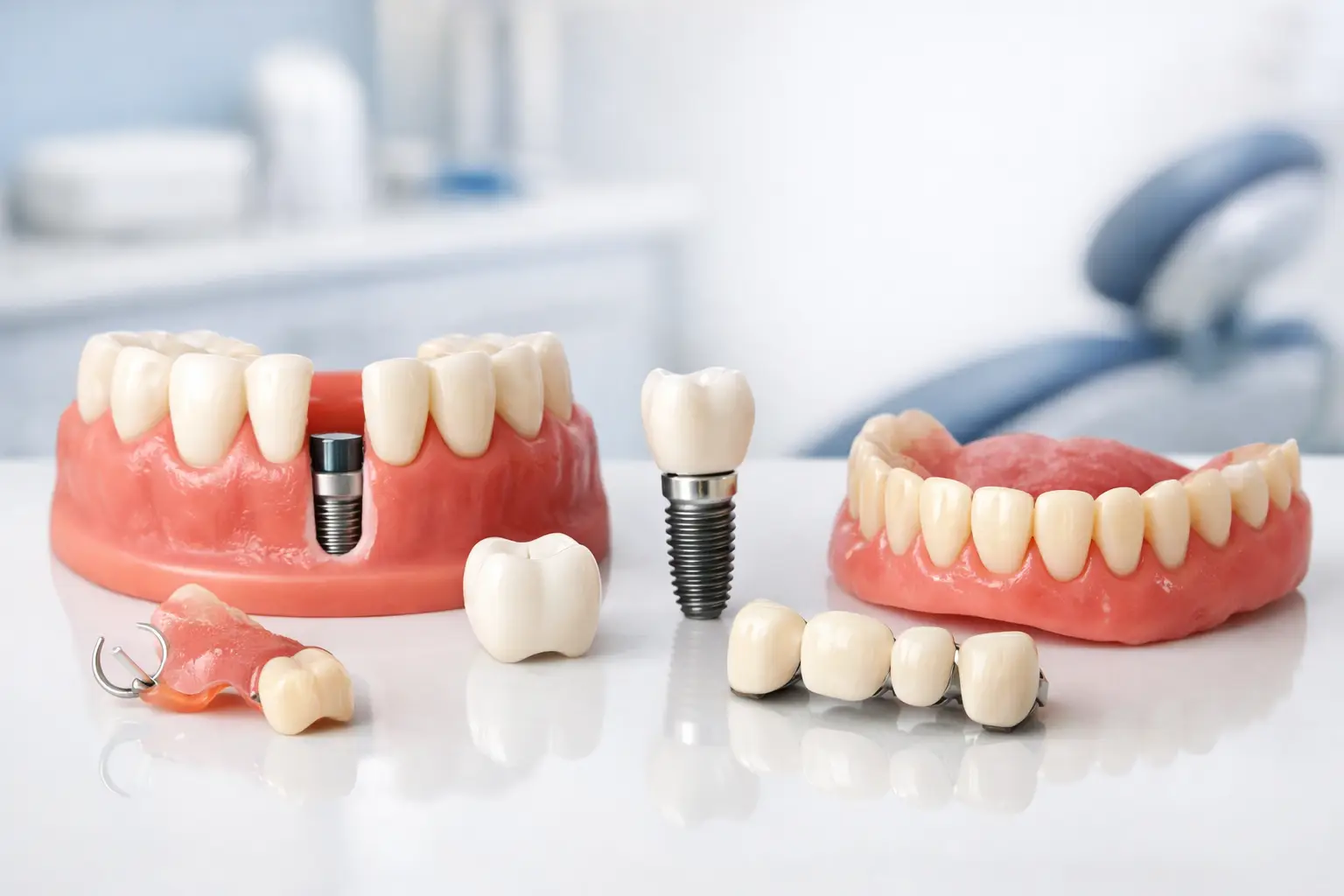
Thoughtful care focuses on comfort and function as much as appearance. Whether the next step is periodontal treatment, a new restoration, dentures, or implant dentistry, the best recommendation considers overall health, lifestyle, budget, and the level of care you feel comfortable pursuing.
A Calmer Way to Receive Dental Care
Dental anxiety is common at every age. Sometimes it comes from a past experience. Sometimes it is the sound of instruments, uncertainty about cost, or simply not knowing what will happen next. A welcoming dental experience should account for those feelings instead of asking you to push through them.
At SoFlo Dental Studio, comfort is treated as part of the care itself. Small details such as noise-canceling headphones, eye masks, and neck pillows can help patients settle in, while clear explanations before treatment help replace uncertainty with confidence. You are always allowed to ask questions, pause, and understand your options before moving forward.
Modern technology can make those conversations clearer as well. Digital scans can reduce the need for traditional impressions, and smile-design tools can help patients visualize certain cosmetic outcomes before committing to treatment. For elective services like veneers or smile makeovers, that preview can be particularly helpful. It gives you a chance to share what you like, what you would change, and what feels natural to you.
Prevention Is the Foundation, Not an Afterthought
The most valuable dental visits are often the least dramatic. Professional cleanings, exams, digital imaging when appropriate, and personalized guidance help protect the teeth you already have. Prevention may not feel exciting, but it can reduce the likelihood of more extensive and expensive treatment later.
Between visits, the basics still matter: brush twice daily with fluoride toothpaste, clean between teeth every day, and let your dental team know about sensitivity, bleeding gums, jaw discomfort, or changes in your bite. Do not wait for pain to become severe. Many dental concerns are easier to treat when they are caught early.
Of course, excellent home care does not guarantee that you will never need a filling, crown, root canal, or gum treatment. Genetics, old dental work, injuries, medications, and natural wear all play a role. Preventive care is not about perfection. It is about giving your smile the best possible support.
Questions to Ask When Choosing a Family Dentist
Choosing a practice is about more than finding an office nearby. Look for a team that can explain care in plain language and offer a range of services as your needs evolve. Ask how they approach anxious patients, whether they use modern diagnostic tools, and how they handle treatment planning when several options are available.
Financial clarity matters, too. A practice should help you understand insurance benefits, out-of-pocket estimates, membership options for patients without insurance, and financing choices when larger treatment is needed. The least expensive option is not always the strongest long-term value, but you should never feel pressured to decide without understanding the cost and the alternatives.
It is also reasonable to ask about appointment availability and how the office handles urgent concerns. A dependable dental home should respect your time while leaving room for the unexpected.
A Lasting Relationship for Healthier Smiles
Family dentistry works best when it feels less like a series of appointments and more like an ongoing partnership. You bring your questions, goals, and real-life constraints. Your dental team brings clinical experience, thoughtful technology, and a plan that makes sense for you.
Whether your next visit is a child’s cleaning, a long-delayed exam, or a conversation about restoring your smile, start with a team that makes you feel welcome. A calm, informed first step can make caring for every smile in your family feel much more possible.