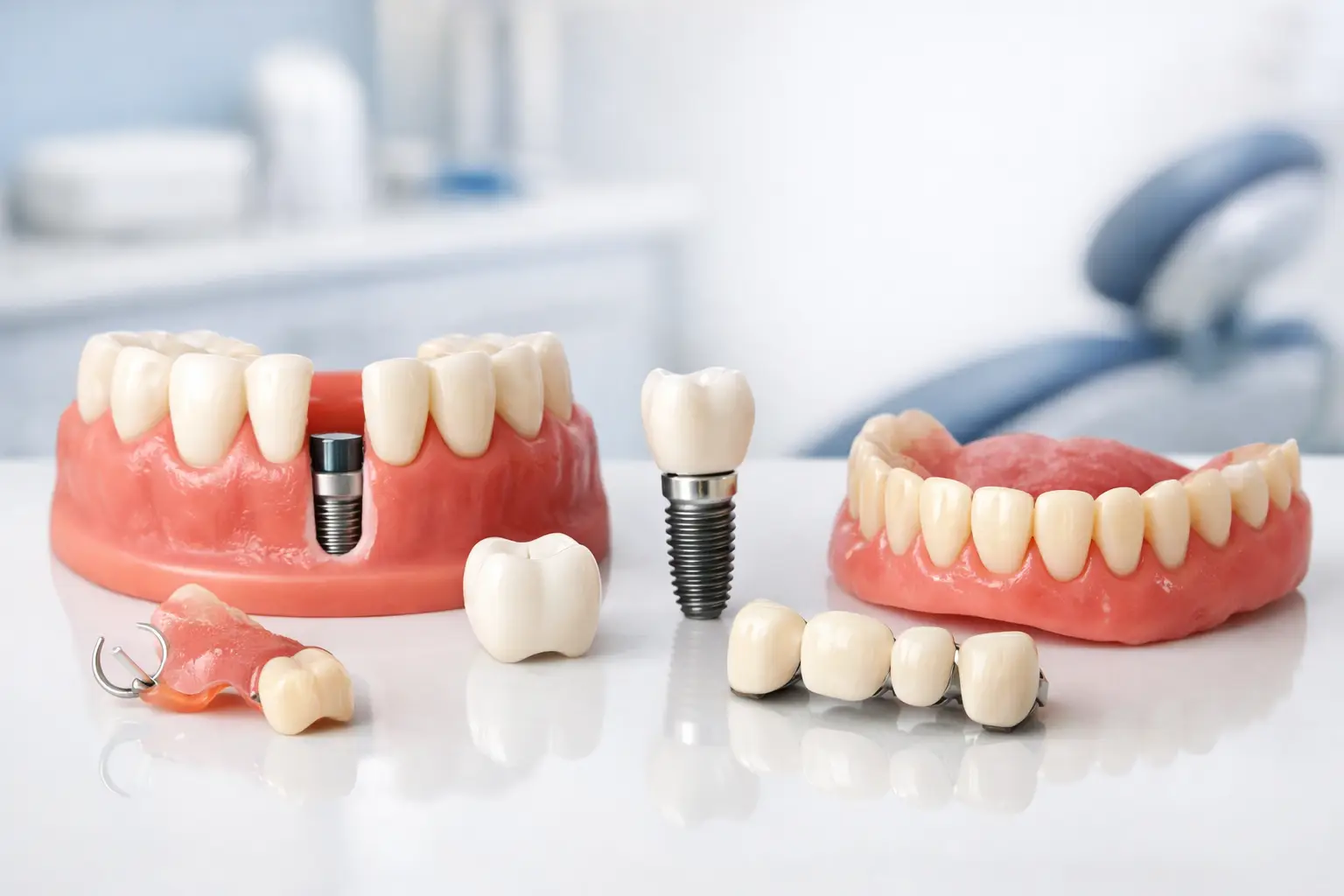
A missing tooth can change more than a photo. You may chew on one side, avoid certain foods, cover your smile when you laugh, or worry that nearby teeth will shift over time. Dental implants offer a lasting way to replace missing teeth while restoring the look, function, and confidence of a natural smile.
For many people, the idea of implant treatment also brings questions: Does it hurt? How long will it take? Am I a candidate? Those are reasonable questions, and the best experience begins with clear answers, a thoughtful plan, and a team that lets you move at a pace that feels comfortable.
What Are Dental Implants?
A dental implant is a small, biocompatible post that is placed in the jawbone where a tooth root once was. Over time, the bone heals around it in a process called osseointegration. Once the implant is stable, it can support a custom restoration, most often a crown for one missing tooth.
The result is designed to look and function like a real tooth. Unlike a removable denture, an implant stays in place. Unlike a traditional bridge, replacing one tooth with an implant usually does not require reshaping the healthy teeth beside the gap.
Implants can also support several replacement teeth or a full arch of teeth. The right option depends on how many teeth are missing, the health of your gums and bone, your bite, and your goals for appearance and daily function.
Why Replacing a Missing Tooth Matters
A visible gap may be the first concern, but the changes beneath the surface matter too. When a tooth is lost, the bone in that area no longer receives the stimulation it once did from the tooth root. Over time, that bone can shrink. Adjacent teeth may drift, and the opposing tooth may begin to move out of position.
Replacing a tooth can help preserve a more balanced bite and make everyday eating feel easier. It can also make speech clearer when missing teeth affect the way sounds are formed. Just as meaningful, many patients appreciate not having to plan meals, conversations, or photographs around a space in their smile.
An implant is not the only solution. A bridge or removable partial denture may be appropriate in certain situations, particularly when health needs, timing, anatomy, or budget point in a different direction. A good recommendation should explain the benefits and trade-offs of each choice rather than treating one answer as right for everyone.
Who Is a Good Candidate for Dental Implants?
Many adults who have lost a tooth are potential candidates, including people who have worn bridges or dentures for years. Healthy gums, adequate jawbone, and a stable bite all support successful treatment. Your dentist will also consider medical history, medications, smoking or nicotine use, teeth grinding, and any signs of active gum disease.
Low bone volume does not automatically rule out implants. In some cases, bone grafting can rebuild support before placement. When a tooth must be removed, placing grafting material at the time of extraction may help preserve the area for a future implant. These decisions are highly personal, which is why a detailed examination is more useful than a quick guess based on an X-ray alone.
Patients with diabetes, osteoporosis, autoimmune conditions, or a history of certain medical treatments may still qualify, but careful coordination matters. Be open about your health history. It helps your dental team create a safer plan and set realistic expectations for healing.
The consultation should feel unhurried
The first visit is where clarity begins. Your dentist will evaluate your teeth and gums, review your medical history, and take detailed digital images of your mouth and jaw. Digital scans and advanced imaging can help map the available bone, evaluate nearby structures, and plan the ideal position for the implant.
You should leave understanding what is being recommended, why it fits your smile, how long each phase may take, and what the investment includes. At SoFlo Dental Studio, that conversation is designed to be personal and transparent, never rushed. If you are anxious about dentistry, say so early. Small comfort details, such as headphones, an eye mask, a neck pillow, or simply knowing what happens next, can make a significant difference.
The Dental Implant Process, Step by Step
Treatment is often completed in stages, because the body needs time to heal. That timeline is not a setback. It is part of creating a stable foundation for your new tooth.
If a damaged tooth needs to be removed, the first step may be a gentle extraction. Some patients can receive an implant on the same day as an extraction, while others benefit from healing first. The decision depends on infection, bone quality, gum condition, and the ability to place the implant securely.
During implant placement, the area is thoroughly numbed. The post is placed precisely into the jawbone, and most patients describe pressure more than pain. Sedation options may be available for patients who need extra help relaxing. Afterward, mild swelling or tenderness is common for a few days and is usually manageable with the instructions and medications provided by your dentist.
The implant then needs time to integrate with the bone. Healing can take several months, although your dentist may provide a temporary tooth so you do not have to live with a noticeable gap during that period. In certain cases, a temporary restoration can be attached sooner, but immediate treatment is not appropriate for every mouth.
When healing is complete, an abutment is placed to connect the implant to the final crown. A digital scan guides the creation of a custom crown that is shaped and shaded to complement your natural teeth. The final visit includes careful adjustments so the crown feels comfortable when you bite, speak, and smile.
What Does Healing Feel Like?
Most people are pleasantly surprised by how manageable implant recovery can be. The first few days may include tenderness, swelling, or minor bruising. A soft-food diet, careful oral hygiene, and a little downtime are often all that is needed. Your dentist will give you specific instructions based on your procedure, including when to brush normally, how to clean around the area, and which foods to avoid.
Healing is not identical for everyone. A straightforward single implant may involve a shorter recovery than a case requiring extraction, grafting, or multiple implants. Trying to rush the process can compromise the final result, so follow-up visits are part of protecting the investment you are making in your health and smile.
Call your dental office if discomfort increases rather than improves, swelling becomes severe, or you have fever, persistent bleeding, or concerns about how the area is healing. You deserve support after the procedure, not just during it.
Caring for an Implant for the Long Term
An implant cannot develop a cavity, but the gum and bone around it still need excellent care. Brush twice daily, clean between teeth every day, and keep regular professional cleanings. Your hygienist may recommend a particular floss, brush, or water flosser technique based on the shape of your restoration and the health of your gums.
If you grind or clench your teeth, a nightguard can protect both your implant crown and your natural teeth from excessive force. Tobacco and nicotine use can interfere with healing and raise the risk of implant complications, so reducing or stopping is one of the most helpful choices you can make.
With attentive home care and routine dental visits, implants can serve patients for many years. The crown attached to an implant may eventually need repair or replacement due to normal wear, just as a crown on a natural tooth might. That does not mean the implant itself has failed. Regular exams make it easier to spot small concerns before they become bigger ones.
Planning for Cost Without Pressure
The cost of dental implants varies because every treatment plan is different. A single implant crown, an extraction with grafting, and a full-arch restoration involve different levels of planning, materials, appointments, and clinical care. The lowest estimate is not always the best value if it leaves out imaging, temporary teeth, follow-up visits, or the final restoration.
Ask for a clear written treatment plan that explains each phase. Insurance benefits may contribute to portions of care depending on your policy, and financing or membership options can make treatment more manageable for many patients. The goal is not to pressure you into a decision. It is to give you a clear view of your choices so you can decide with confidence.
A dental implant is a long-term decision, but it does not have to feel overwhelming. Start with a conversation, ask every question on your mind, and choose a plan that respects both your health and your comfort. A complete smile often begins with one calm, well-explained next step.