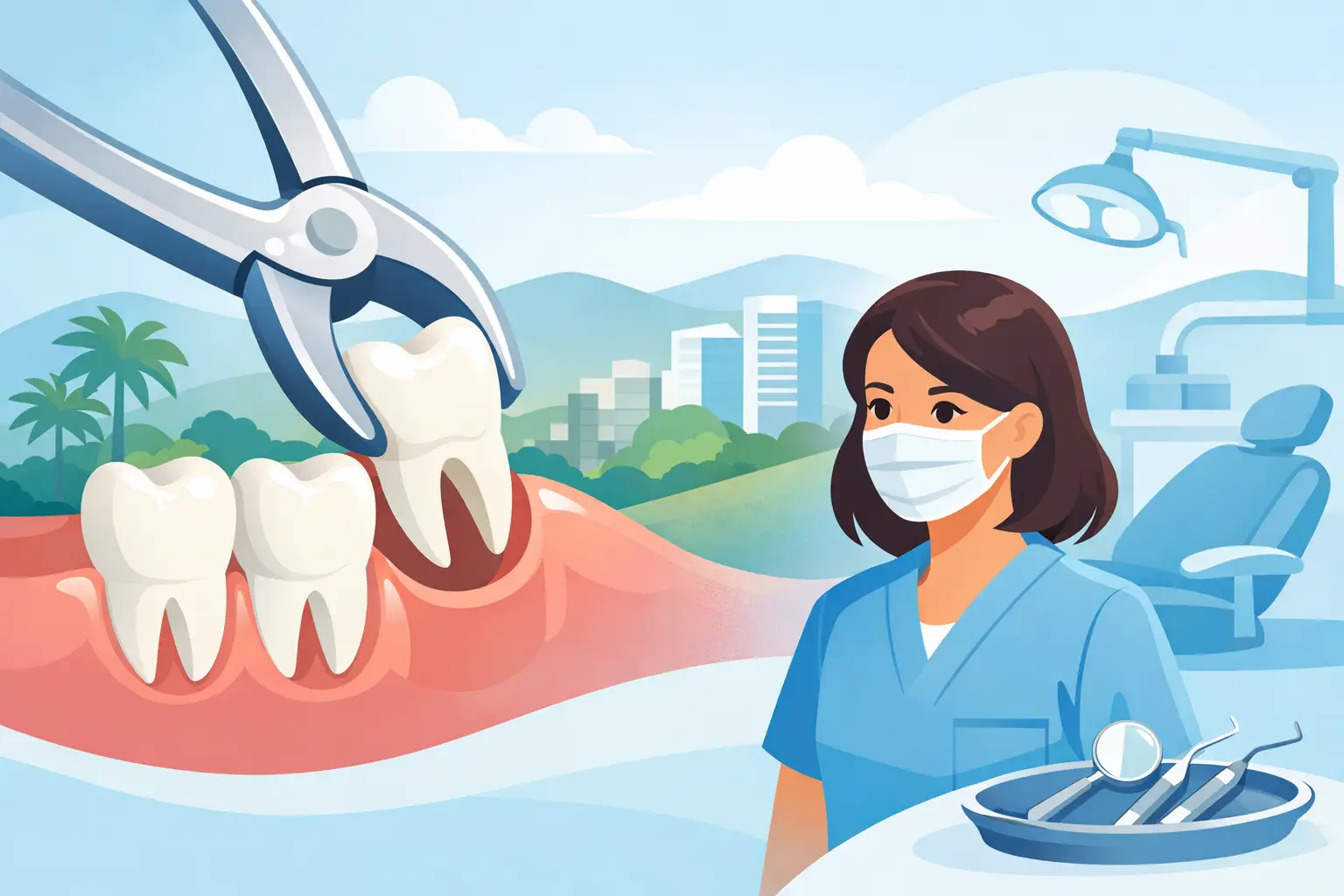
A painful tooth can make ordinary moments feel impossible. A meal becomes a calculation, sleep is interrupted, and even a cold drink can cause a sharp reminder that something is wrong. If you are searching for a tooth extraction dentist Wellington residents can trust, you deserve more than a quick diagnosis. You deserve a clear explanation, a gentle plan, and care that helps you feel settled from the moment you walk in.
At SoFlo Dental Studio, tooth removal is never treated as a routine, impersonal appointment. Dr. Carmine Scarfone and the team take time to understand what is happening, explain your options in plain language, and make comfort part of the plan. Relax. We’ve got you.
When Is a Tooth Extraction Necessary?
The goal is almost always to preserve a natural tooth when it can be predictably restored. A filling, crown, root canal, or periodontal treatment may protect a tooth and let it continue to function for years. Extraction becomes the better choice when keeping the tooth could lead to ongoing pain, infection, or a poor long-term result.
A tooth may need to be removed because of severe decay below the gumline, a deep crack that cannot be repaired, advanced gum disease, significant trauma, or an infection that has compromised too much of the tooth structure. Wisdom teeth may also be removed when they are impacted, painful, difficult to clean, or affecting nearby teeth.
There is no one-size-fits-all answer. A tooth that looks badly damaged may still be treatable, while a tooth with little visible damage may have a fracture beneath the surface. Digital imaging and a careful examination help identify the condition of the tooth, its roots, the surrounding bone, and the healthiest next step.
What to Expect From a Tooth Extraction Dentist in Wellington
A calm extraction experience starts before treatment begins. Your visit should include a conversation about your symptoms, health history, medications, and concerns. If dental anxiety is part of the picture, say so. It is helpful information, not something to apologize for.
Your dentist will review the images with you and explain why extraction is being recommended. You should understand whether the procedure is simple or surgical, what recovery may involve, and whether replacing the tooth is recommended afterward. For a visible tooth or a tooth important for chewing, discussing replacement before removal can make the process feel much more manageable.
At SoFlo Dental Studio, the environment is designed to feel more welcoming than clinical. Comfort details such as noise-canceling headphones, eye masks, and neck pillows can help reduce the sensory stress many people associate with dental treatment. Just as important, the team explains each stage before it happens, so you are not left wondering what comes next.
Simple and Surgical Extractions
A simple extraction is performed when the tooth is visible above the gumline and can be gently loosened and removed. Local anesthetic is used to numb the area thoroughly. You may feel pressure during the procedure, but you should not feel sharp pain.
A surgical extraction may be needed when a tooth has broken at the gumline, is impacted, has curved roots, or needs to be removed in sections. This does not automatically mean a difficult recovery. It simply means the dentist uses a more precise approach to remove the tooth safely while protecting the surrounding tissues.
The right technique depends on the tooth, its position, your bone health, and the condition of the roots. Your dentist can walk you through the plan before your appointment so there are no surprises.
How to Prepare for Your Appointment
Most extractions require very little preparation, but a few practical steps can make the day easier. Continue or pause medications only as directed by your dentist or physician, especially blood thinners. Share any changes in your medical history, including pregnancy, diabetes, heart conditions, or recent illness.
Eat a light meal before an appointment with local anesthetic unless you are given different instructions. If sedation is part of your treatment plan, fasting instructions may apply, and you will likely need someone to drive you home. Wear comfortable clothing and plan for a quieter afternoon afterward, even if you expect to feel fine.
It can also help to prepare soft foods in advance. Yogurt, scrambled eggs, mashed potatoes, soup that has cooled, smoothies eaten with a spoon, and pasta are often easier choices during the first day or two. Avoid using a straw, as suction can disturb the protective blood clot forming in the extraction site.
The First Days of Tooth Extraction Recovery
Healing begins with a blood clot in the socket where the tooth was removed. Protecting that clot is one of the most important parts of recovery. Bite gently on the gauze provided after treatment and change it according to your dentist’s instructions. Mild bleeding or oozing during the first several hours can be normal.
Some tenderness, swelling, and jaw stiffness are also common, particularly after a surgical extraction. Cold compresses can help during the first 24 hours, and prescribed or recommended pain medication should be taken exactly as directed. Most people begin feeling noticeably better within a few days, although complete healing of the site takes longer.
For the first day, avoid smoking, vaping, alcohol, vigorous rinsing, spitting, strenuous exercise, and hot foods or drinks. Beginning the day after treatment, gentle saltwater rinses may be recommended to keep the area clean. Brush the rest of your teeth as usual, but be careful around the extraction site.
Call your dental office if bleeding does not slow with firm gauze pressure, pain becomes worse instead of better after a few days, swelling increases significantly, you develop a fever, or you have trouble swallowing or breathing. These symptoms need timely guidance. Following your post-treatment instructions and attending any recommended follow-up visits gives your mouth the best conditions to heal comfortably.
Should You Replace an Extracted Tooth?
Not every extracted tooth needs to be replaced. In some cases, such as wisdom tooth removal or the removal of a severely crowded tooth as part of orthodontic planning, replacement is not necessary. For many other teeth, though, leaving a space can affect more than appearance.
Over time, neighboring teeth can shift into the opening, changing the bite and making cleaning more difficult. A missing tooth may also reduce chewing comfort and contribute to bone loss in the jaw. The right replacement option depends on the location of the tooth, your oral health, your timeline, and your goals.
Dental implants are often a strong long-term option because they replace the tooth root as well as the visible tooth. A bridge may be appropriate when nearby teeth already need crowns or when an implant is not the preferred route. For some patients, a removable partial denture offers a practical solution. Your dentist can explain the benefits and trade-offs of each approach without pressure.
Can an Implant Be Placed After an Extraction?
Sometimes, an implant can be placed at the same visit as the extraction. In other situations, the site needs time to heal first, or bone grafting may be advised to support a future implant. Immediate placement can reduce the number of treatment stages, but it is only suitable when the bone, gums, and infection level allow it.
This is where careful planning matters. A thoughtful dentist will prioritize a predictable result over rushing into a treatment timeline that is not right for your mouth.
Cost, Insurance, and Making Care Feel Manageable
The cost of an extraction varies based on factors such as the tooth’s location, whether it is simple or surgical, imaging needs, sedation, and whether bone grafting is recommended. Before treatment, ask for a clear estimate and an explanation of what is included. Knowing the financial side of care ahead of time can ease a great deal of stress.
Insurance may contribute toward medically necessary extraction care, depending on your plan. For patients without insurance or those planning additional restorative treatment, a membership plan and financing options can make care more accessible. The most useful conversation is an honest one: what needs immediate attention, what can be planned, and how to move forward at a pace that makes sense for you.
A tooth extraction may not have been part of your plans, but it can be the turning point that ends pain and protects your overall oral health. With a clear diagnosis, gentle treatment, and a thoughtful recovery plan, the next step can feel far less intimidating than you imagined.