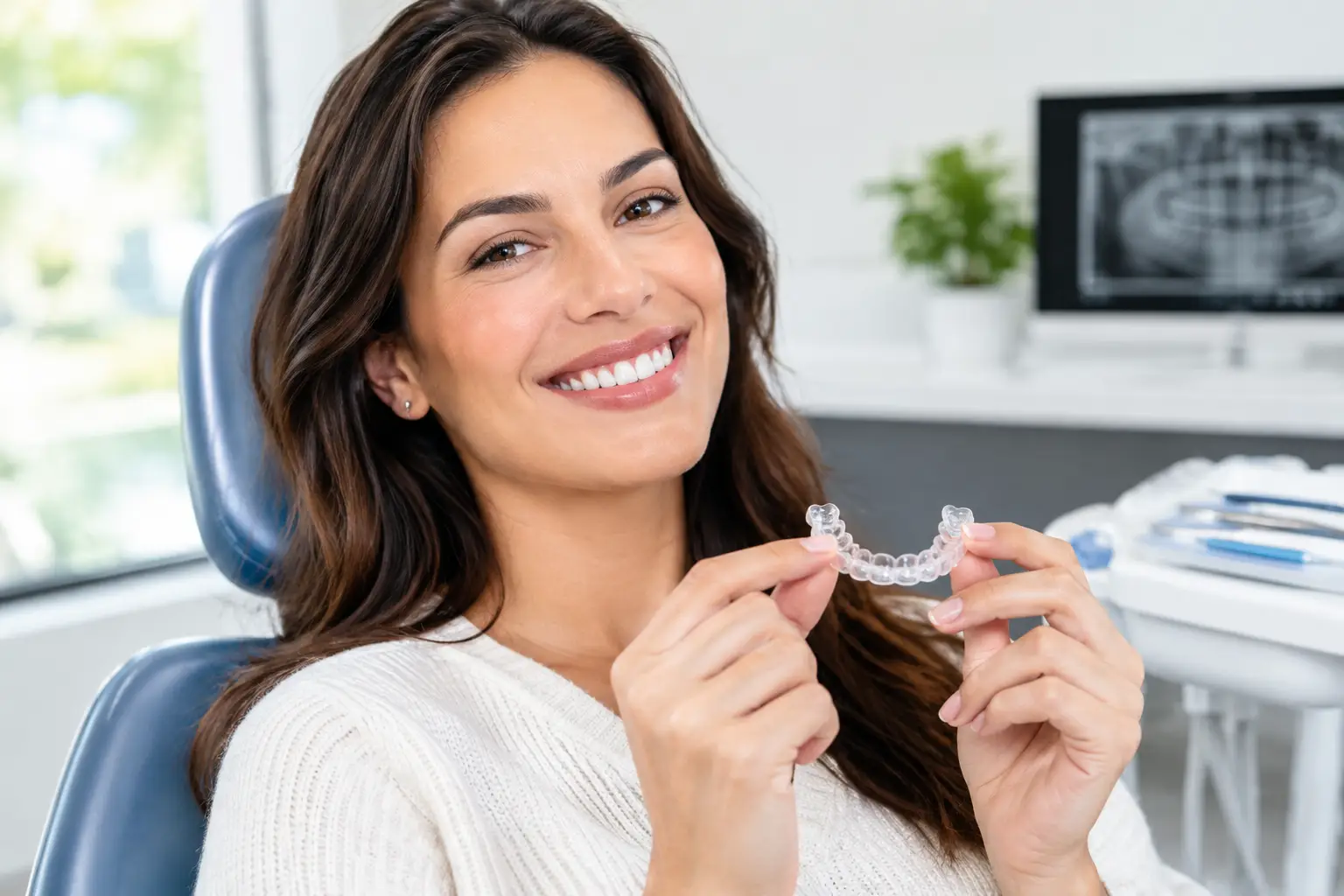
A loose denture can change more than the way you eat. It can make restaurant meals stressful, limit the foods you enjoy, affect speech, and leave you feeling self-conscious in moments that should feel easy. This implant supported denture guide explains how a more stable tooth-replacement option works, what treatment involves, and how to decide whether it fits your goals.
At SoFlo Dental Studio, we believe a conversation about replacing teeth should feel clear, personal, and unhurried. You deserve to understand your choices, see where treatment is headed, and feel supported at every step.
What Is an Implant Supported Denture?
An implant supported denture is a full arch of replacement teeth that connects to dental implants placed in the jawbone. Unlike a conventional denture that rests on the gums, this type of denture is held in place by carefully positioned implants. That added support can create a more secure fit and a more natural-feeling bite.
There are two primary designs. A removable implant-supported denture, often called an overdenture, clicks onto attachments and can be taken out for cleaning. A fixed full-arch restoration is attached more permanently and is removed only by your dental team during maintenance visits.
Both options can improve stability significantly compared with a traditional denture. The right choice depends on your bone health, bite, lifestyle, cleaning preferences, esthetic goals, and budget. There is no single best answer for everyone, which is why planning matters.
Why Stability Makes Such a Difference
Traditional dentures remain an appropriate solution for many patients. They are often less costly upfront and do not require surgery. Still, because they rely on suction, adhesives, and gum support, they may move during meals or conversation. Lower dentures are especially prone to shifting because there is less surface area for suction.
Dental implants help change that relationship. They act as anchors within the jaw, helping the denture stay where it belongs. Patients often appreciate the ability to chew more confidently, speak with less worry about movement, and smile without repeatedly checking whether their denture has shifted.
Implants can also help preserve jawbone after tooth loss. When natural tooth roots are no longer present, the jawbone can gradually shrink over time. This can alter facial contours and make a conventional denture harder to fit. While implants do not stop every change associated with aging, they provide stimulation that supports the bone in a way a gum-supported denture cannot.
Comfort is another meaningful benefit. A stable denture can reduce rubbing and pressure in certain areas, although every mouth is different. Good design, a balanced bite, and regular follow-up care remain essential to comfort over the long term.
Who May Be a Candidate?
Many adults who wear dentures or need all teeth in an arch replaced can be candidates for implant treatment. Age alone is rarely the deciding factor. More relevant considerations include your overall health, healing ability, gum condition, bone volume, medications, smoking history, and ability to maintain daily oral hygiene.
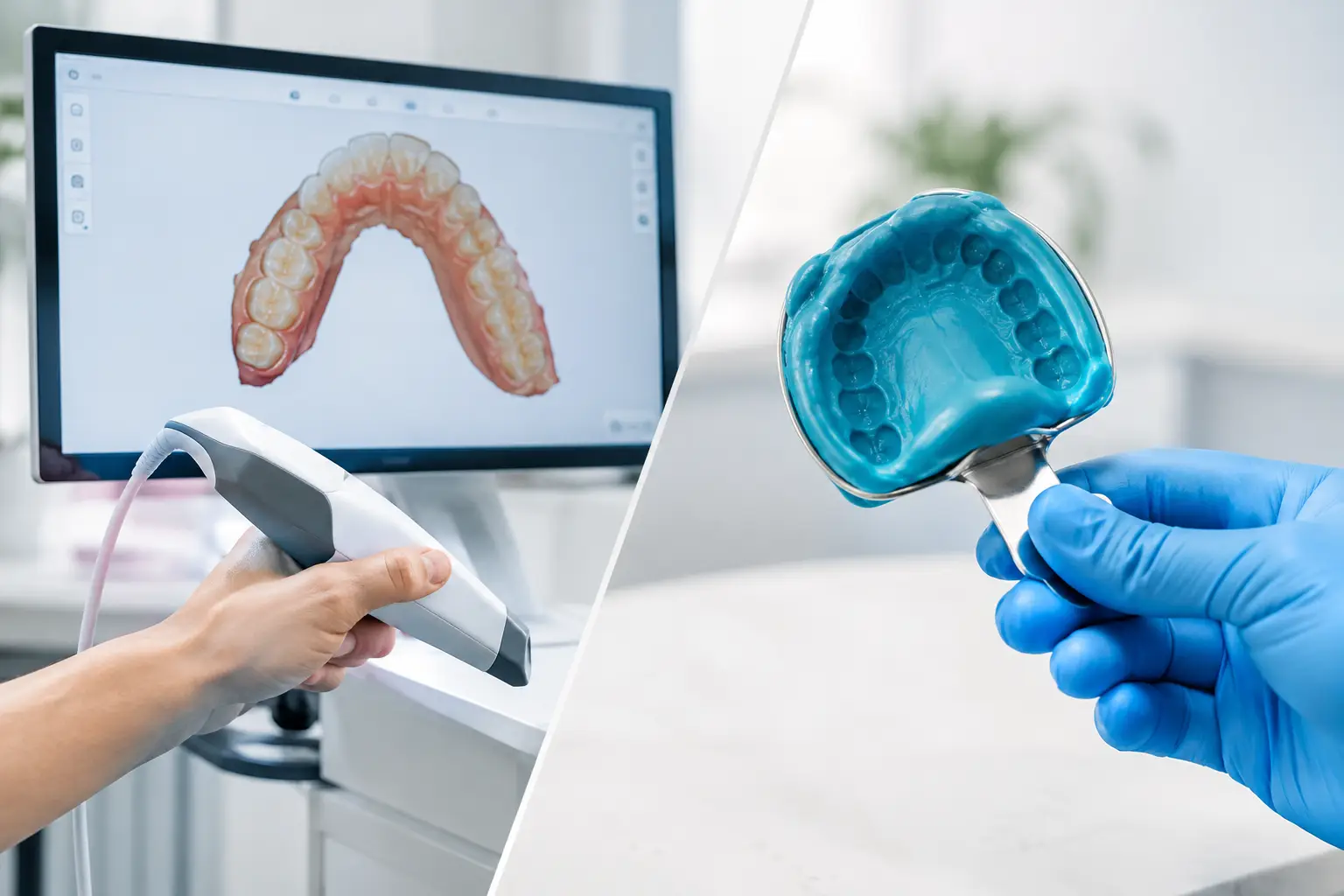
A consultation begins with a detailed look at your mouth and your goals. Digital imaging and scans help the dental team evaluate available bone, map the placement of implants, and plan the shape and position of your future teeth. This planning is especially valuable when your priorities include a smile that looks like you – not a generic set of teeth.
Some patients have enough bone for implant placement without additional treatment. Others may need bone grafting, extractions, or time for healing before implants can be placed. If you have worn dentures for years, bone loss may be more advanced, but that does not automatically rule out treatment. It simply means the plan may need to be more individualized.
The Implant Supported Denture Process
Start with a conversation and a digital plan
Your first visit should not feel like a sales pitch. It is a chance to discuss what has not been working with your current teeth or denture, what you want to change, and what level of maintenance feels realistic for you.
Your dentist will complete an exam and use digital scans and imaging to assess your oral health. You will also talk through whether a removable or fixed option better suits your needs. Clear explanations are part of good care: you should know what treatment involves, why a particular approach is recommended, and what your financial options look like before moving forward.
Place the implants
During the surgical phase, implants are placed in the jawbone at planned locations. Depending on your case, your dentist may place a temporary denture or temporary fixed teeth the same day. In other situations, a healing period is recommended before the final restoration is attached.
The number of implants can vary. A removable overdenture may use fewer implants than a fixed full-arch restoration, while a fixed solution generally needs enough support to distribute biting forces safely. Your anatomy and the quality of your bone guide this decision.
If dental procedures make you nervous, say so early. Comfort measures, a calm pace, and transparent communication can make a major difference. Small details, from neck support to noise-cancelling headphones, can help you settle in while your team focuses on safe, precise care.
Heal, refine, and receive your final teeth
Implants need time to bond with the bone, a process called osseointegration. Healing time varies, but several months is common. During this period, you may wear a temporary restoration and follow specific food and hygiene instructions.
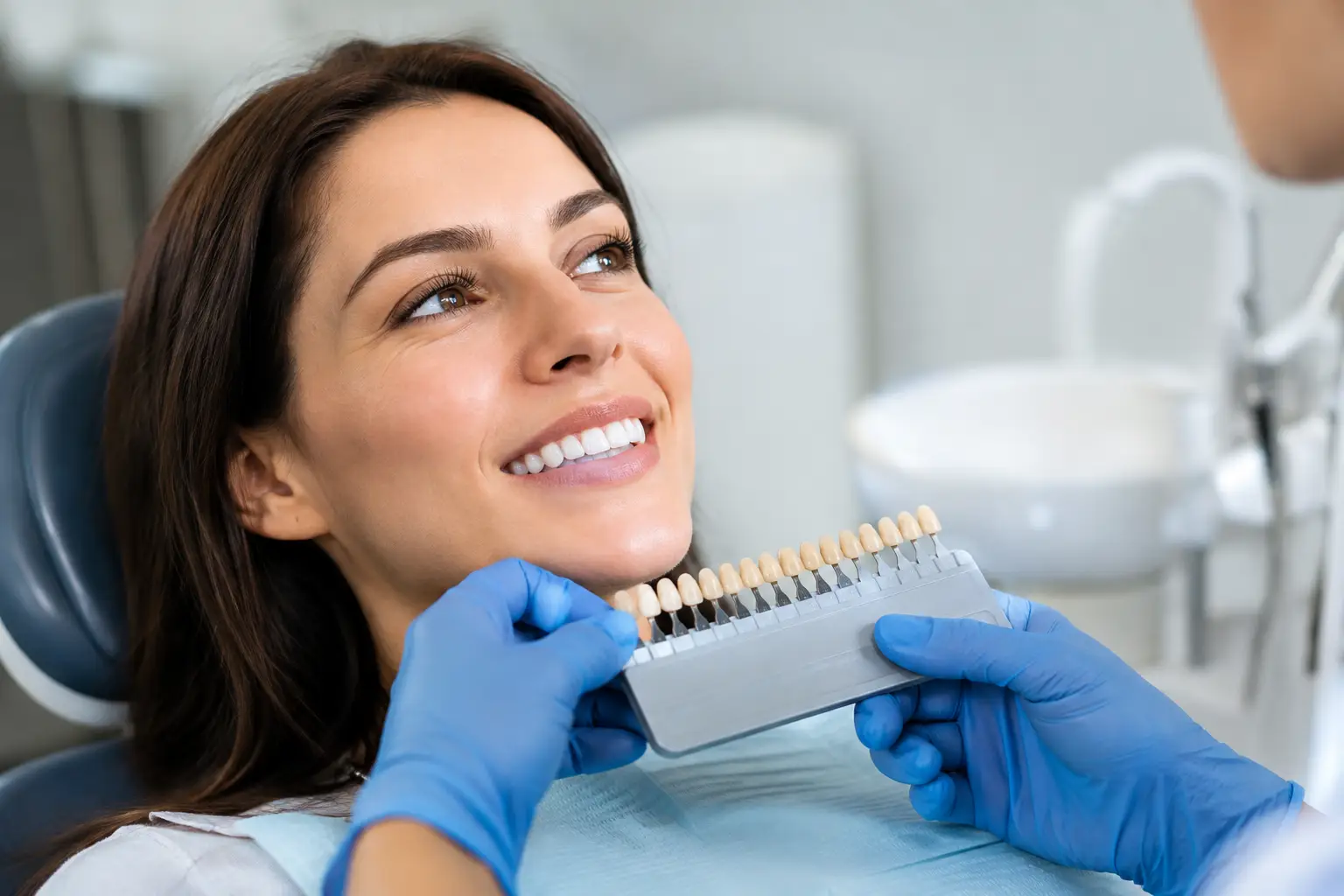
Once the implants are ready, your final denture is designed for fit, function, and appearance. The team will evaluate your bite, lip support, tooth shape, shade, and how your smile looks when you speak. Minor adjustments are a normal and valuable part of creating a result that feels comfortable and looks natural.
Removable vs. Fixed: Which Fits Your Life?
A removable implant-supported denture can be an excellent choice for someone who wants stronger retention than a conventional denture but prefers to remove the appliance at night for cleaning. It can be easier to service and may require a lower investment than a fixed arch.
A fixed full-arch restoration is appealing for patients who want teeth that stay in place all day and are brushed much like natural teeth. It can feel closer to having natural teeth, though cleaning underneath requires consistent technique and specialized tools. Fixed restorations also involve a greater initial investment and still need professional maintenance.
The practical question is not simply, “Which is better?” It is, “Which option can I comfortably care for and enjoy for years?” A beautifully designed restoration needs a maintenance routine that works in real life.
Cost, Insurance, and Planning Without Pressure
The cost of implant-supported dentures varies because treatment plans vary. Factors can include extractions, grafting, the number of implants, temporary teeth, the type of final restoration, and any periodontal care needed before treatment begins.
Insurance may contribute to certain portions of care, but benefits differ widely by plan and often do not cover the full implant process. A good dental office will help you understand estimated benefits, explain fees in plain language, and discuss available payment options before treatment starts. Financing and membership options may also make care more manageable for eligible patients.
Be cautious of pricing that sounds too simple for a complex treatment. A lower quote may not include imaging, temporary restorations, follow-up visits, final teeth, or future maintenance. Ask what is included, what could change the cost, and how the practice handles adjustments after delivery.
Caring for Your New Smile
Implants cannot get cavities, but the gum tissue and bone around them still need attention. Daily cleaning is not optional. For a removable overdenture, remove and clean the denture as directed, then clean around the implant attachments and gums. For fixed teeth, brushing, flossing tools designed for bridges, and a water flosser may all be recommended.
Professional cleanings and regular exams are equally important. Attachment components can wear, bite forces can change, and the restoration itself may need periodic adjustments. If you notice looseness, clicking, sore spots, bleeding gums, a change in your bite, or difficulty chewing, schedule a visit rather than trying to manage the issue at home.
Choosing implant-supported dentures is not just about replacing missing teeth. It is about making room for meals, conversations, photos, and everyday confidence to feel comfortable again – with a plan built around your health, your preferences, and the life you want to get back to.