A meal should not require strategy. If you find yourself chewing on one side, avoiding crusty bread, waking with a tight jaw, or feeling that your teeth no longer meet the way they once did, bite reconstruction may be worth discussing. This personalized approach restores damaged teeth while helping your bite work more comfortably and predictably.
Your bite is more than the way your teeth look when you smile. It is the relationship between your upper and lower teeth when you chew, speak, and rest your jaw. When that relationship changes, small daily discomforts can slowly become a bigger quality-of-life issue.
What Is Bite Reconstruction?
Bite reconstruction, sometimes called full-mouth reconstruction or rehabilitation, is a customized plan that rebuilds teeth and restores how they come together. It may involve crowns, bridges, dental implants, fillings, veneers, orthodontic treatment, or periodontal care. The right combination depends on what has changed in your mouth and what you want your smile to feel and look like afterward.
This is not a one-size-fits-all cosmetic treatment. For some people, the plan focuses on a few heavily worn or broken teeth. For others, it addresses several concerns at once, such as missing teeth, old restorations, uneven wear, gum health, and an uncomfortable bite.
The goal is not simply to make teeth look newer. It is to create a stable, natural-looking result that supports comfortable chewing, clearer speech, and a smile you do not have to think twice about showing.
Signs Your Bite May Need Attention
Teeth can adapt to gradual changes for years, which is why many people do not realize a problem is developing until a crown breaks, a tooth becomes sensitive, or jaw soreness becomes harder to ignore. A comprehensive evaluation can help connect the dots.
You may benefit from an evaluation if your teeth look shorter, flatter, chipped, or uneven. Other common signs include frequent headaches or jaw fatigue, tooth sensitivity, difficulty chewing, cracks in teeth, loose or failing crowns, and a bite that feels “off.” Some patients also notice they are clenching, grinding, or avoiding certain foods because they no longer trust their teeth.
These signs do not automatically mean you need extensive treatment. Jaw discomfort can have several causes, and not every worn tooth needs a crown. The value of an exam is understanding what is happening before deciding whether to monitor, protect, repair, or rebuild.
Why Bites Change Over Time
A bite can change because of normal wear, but it can also be affected by missing teeth, untreated decay, gum disease, injury, grinding, or restorations that no longer fit as well as they once did. When one tooth is lost or painful, it is natural to shift chewing pressure elsewhere. Over time, neighboring and opposing teeth can move, wear unevenly, or take on more force than they were designed to handle.
Acid erosion, often related to diet or reflux, can also soften enamel and make teeth more vulnerable to wear. Clenching and grinding add another layer of pressure, especially during sleep when you cannot consciously adjust your bite.
The practical concern is not perfection. Many healthy smiles are not textbook-perfect. What matters is whether your teeth, gums, jaw, and restorations are functioning comfortably together and whether the current pattern is likely to cause further damage.
Your Bite Reconstruction Starts With Clarity
A thoughtful plan begins before any treatment is scheduled. At SoFlo Dental Studio, the first step is a detailed conversation about what you are experiencing, what you want to change, and what feels realistic for your schedule and budget. There is room to ask questions without feeling rushed or talked into a decision.
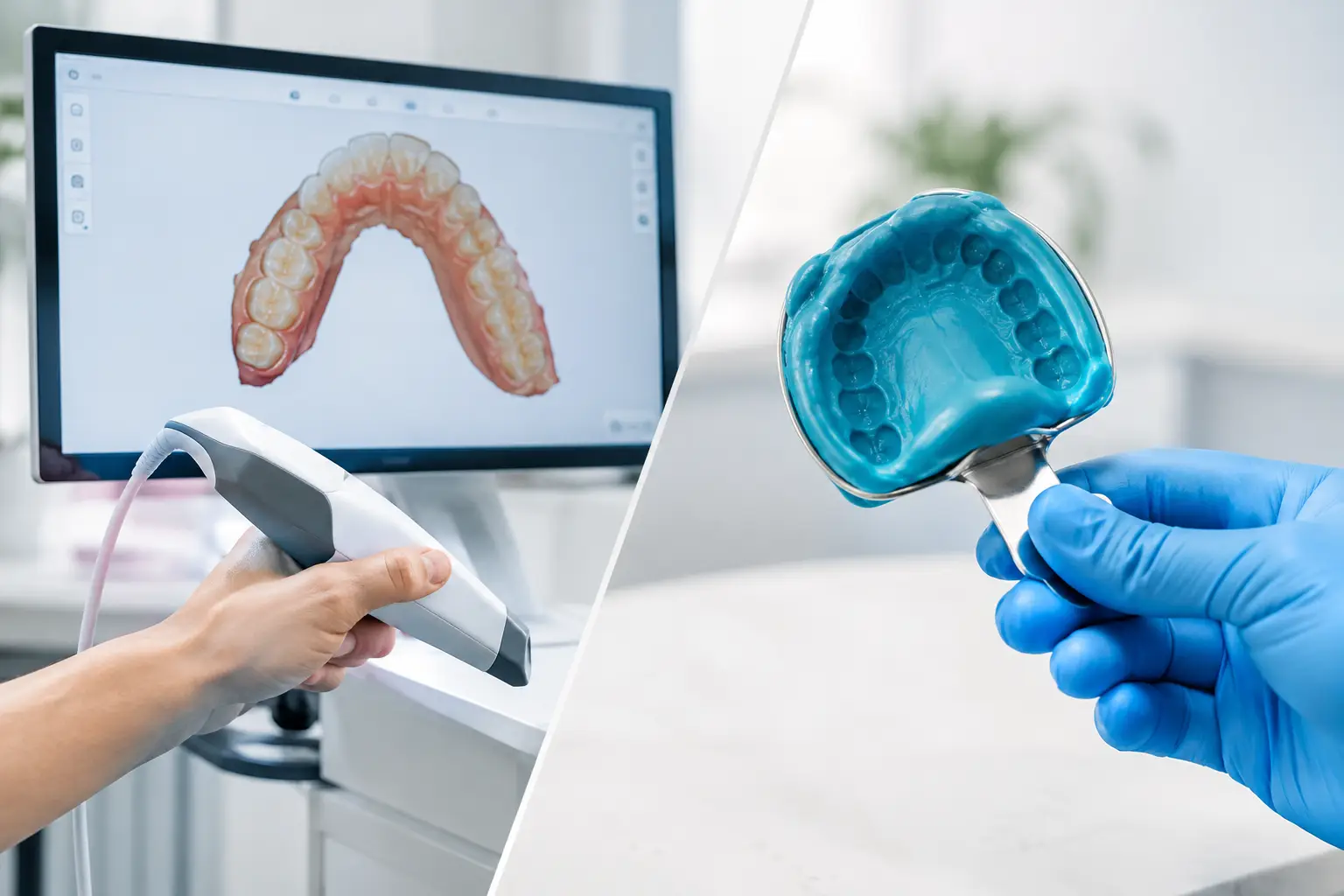
Your dentist may use digital scans, photographs, X-rays, and a careful bite evaluation to assess tooth structure, gum health, jaw function, and existing dental work. Digital technology can make planning more precise and easier to understand because you can see the same starting point your dental team sees.
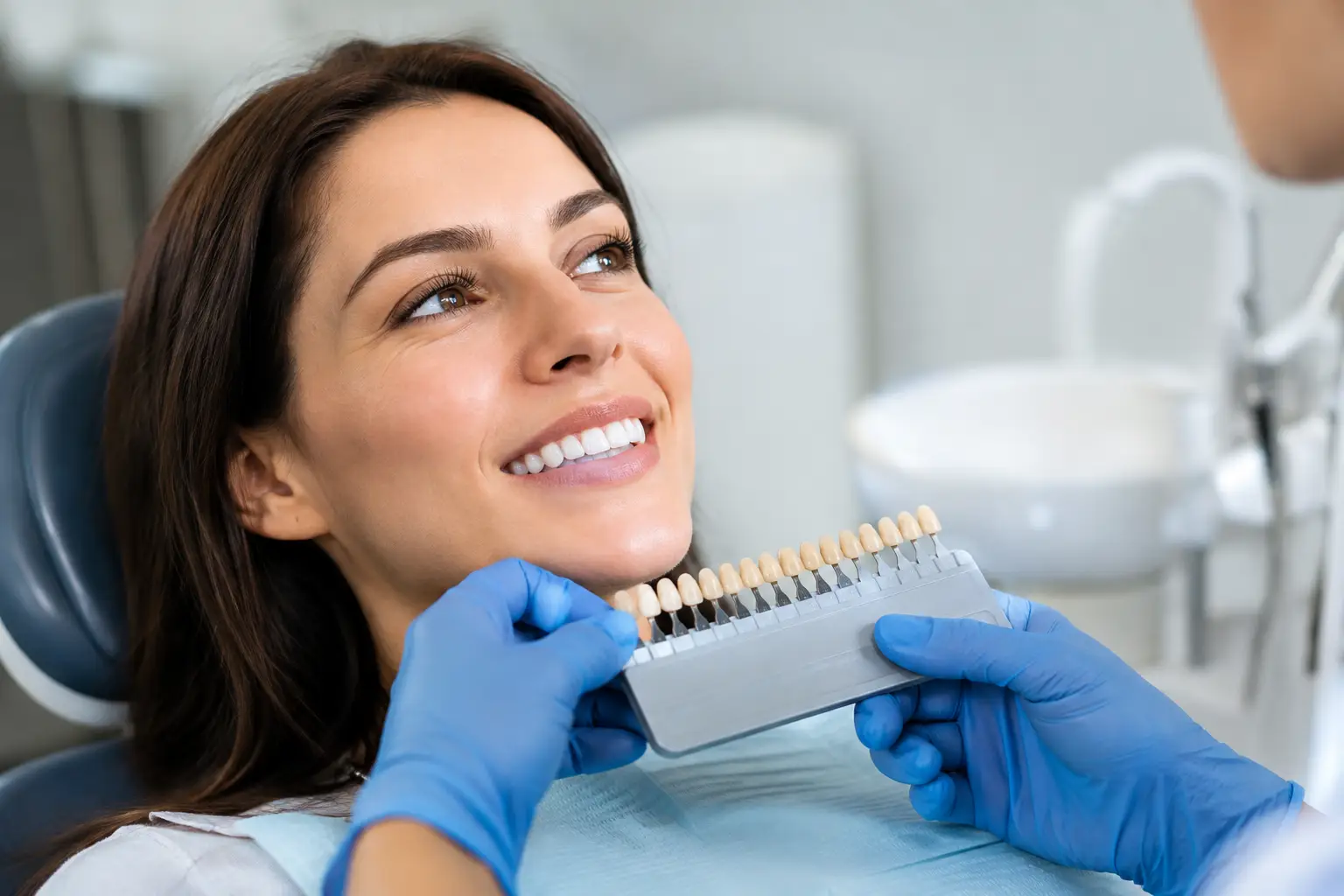
For patients who are also concerned about appearance, smile-design tools can help preview proportions, tooth shapes, and overall balance before final work begins. That visibility matters. A reconstruction should not feel like a surprise waiting at the finish line.
Designing a Plan Around Your Priorities
A complete plan is often phased. If there is active gum disease, infection, or a painful tooth, those concerns come first. If a missing tooth needs replacement or teeth need to be moved into a healthier position, that may happen before final crowns or veneers are placed.
Phasing treatment can make clinical sense, but it can also make the investment more manageable. Some patients need to complete care in stages because of time, healing, or finances. Others prefer a more comprehensive timeline. Neither choice is inherently better. The best plan protects your health while fitting your life.
What Treatment May Include
The procedures in a bite reconstruction are selected for a reason, not added for the sake of doing more. A cracked or severely worn tooth may need a crown to restore strength and shape. Missing teeth may be replaced with implants or bridges to help distribute chewing forces more evenly. Small areas of damage may be treated conservatively with bonded restorations.
Clear aligners can be useful when tooth position is contributing to crowding, uneven pressure, or spacing. Veneers may be part of a plan when front teeth need a cosmetic and structural refresh, although they are not the right answer for every worn smile. If grinding is a factor, a custom nightguard may help protect the finished work after treatment.
The trade-off is that lasting results depend on addressing causes as well as symptoms. Placing a beautiful crown without considering heavy bite forces, for example, may leave that restoration vulnerable. On the other hand, not every imperfection warrants extensive intervention. Good treatment balances preservation of healthy tooth structure with the need for dependable function.
Comfort Matters Throughout the Process
Dental anxiety is common, especially when treatment involves more than one appointment. You deserve clear explanations, a calm environment, and the ability to pause when you need to. Comfort details such as noise-canceling headphones, eye masks, and neck pillows can make longer visits feel more manageable, but comfort also comes from knowing what will happen next and why.
Depending on the plan, temporary restorations may be used while your final crowns, bridges, or veneers are being crafted. Temporaries let you test the look, feel, and bite before the final result is placed. If something feels too long, too short, or unfamiliar, your dentist can evaluate it before finalizing the work.
It is normal for a new bite to feel different at first. Your tongue, cheeks, and jaw have adapted to the old pattern, even if it was not ideal. Minor adjustments may be needed as you settle in. A careful team will explain what is expected, what deserves a call, and how to care for your restorations at home.
How Long Does Bite Reconstruction Take?
The timeline depends on the condition of your teeth and gums, the treatments involved, and whether healing time is needed. A focused restoration plan may take a few appointments. A complex reconstruction involving implants, gum treatment, orthodontics, or multiple final restorations can take several months or longer.
That timeline is not a delay for its own sake. It allows treatment to be sequenced properly and gives you time to make confident decisions. Your dental team should outline the expected phases, appointment needs, and temporary steps before you begin.
Planning for Cost Without Pressure
Because bite reconstruction is tailored, the cost varies widely. Insurance may contribute to certain medically necessary restorative procedures, while cosmetic portions may not be covered. A transparent estimate should separate the recommended treatment, anticipated insurance benefits when applicable, and your out-of-pocket responsibility.
For patients without insurance or those planning more extensive care, membership options and financing can make treatment easier to organize. The most useful financial conversation is an honest one: what needs attention now, what can be safely phased, and what will help protect the work you invest in.
A healthy bite should support the way you live, from enjoying dinner with friends to speaking at work without self-consciousness. If your teeth are worn, broken, missing, or simply no longer feel like they belong together, a calm, detailed consultation can give you a clear next step. You do not have to figure it out alone.