That quick, sharp feeling when iced water hits one tooth is easy to brush off – until it starts changing how you eat, drink, or smile. Tooth sensitivity is common, but it is not something you simply have to live around. Sometimes it is a temporary response to whitening or a new dental product. Other times, it is your tooth’s way of asking for attention before a small concern becomes a more complicated one.
At SoFlo Dental Studio, the goal is never to make you feel rushed or judged for bringing up a symptom that seems minor. A clear explanation, a comfortable exam, and the right next step can make everyday comfort feel much more within reach.
Tooth sensitivity is a symptom, not a diagnosis
Sensitive teeth react when the protective outer enamel has worn down, gums have receded, or a tooth has a crack, cavity, or other issue that exposes the inner layers of the tooth. Those layers contain tiny channels leading toward the nerve. Cold, heat, sweetness, pressure, and even a burst of air can travel through them and create that familiar zing.
The sensation itself offers useful clues. A brief twinge from cold water may have a different cause than pain that lingers after coffee or wakes you at night. Sensitivity that is limited to one tooth also deserves a closer look, especially if it began suddenly.
Common reasons teeth become sensitive
Every smile is different, but a few causes appear often. Brushing too hard with a firm-bristled toothbrush can gradually wear enamel near the gumline. Acidic drinks, frequent snacking, reflux, and teeth grinding can have a similar effect over time.
Gum recession is another common factor. When gums pull back, the softer root surface becomes exposed. Unlike enamel, root surfaces do not have the same durable protective layer. Periodontal disease can contribute to recession, but some people also have naturally thin gum tissue or recession related to years of aggressive brushing.
Sensitivity can also appear after professional whitening, a recent filling, or a crown. In many cases, this is temporary. Still, persistent pain should be checked rather than assumed to be part of the process.
Other possibilities include a cavity, a worn or leaking restoration, a cracked tooth, or inflammation inside the tooth. These issues often need more than a sensitivity toothpaste, which is why a diagnosis matters.
The details that help your dentist find the cause
You do not need to arrive with a perfect description. Simply noticing when the discomfort happens is helpful. Does it occur with cold foods, hot drinks, sweets, or brushing? Is it a quick flash of pain, or does it linger? Can you point to one tooth?
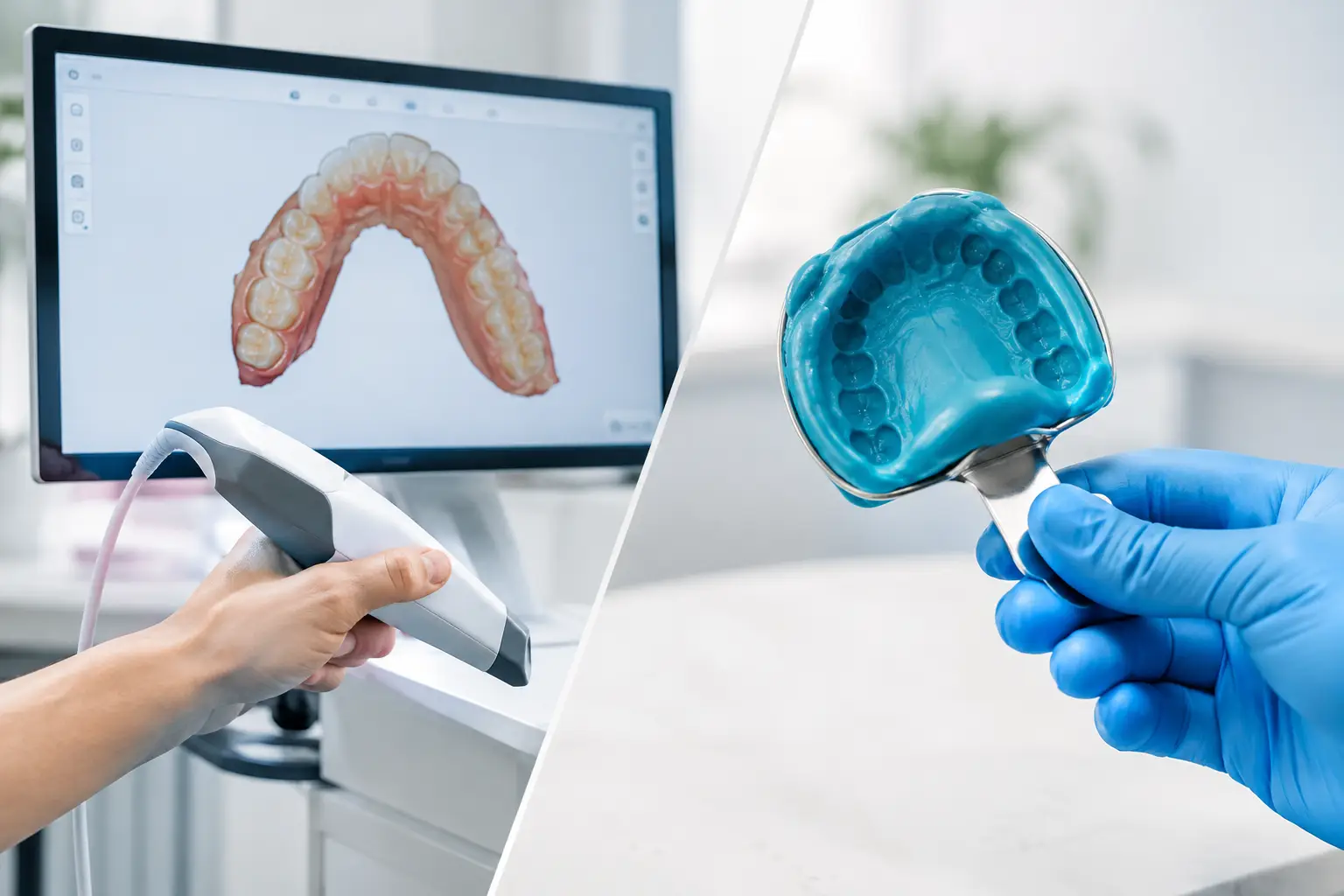
Your dentist may examine the teeth and gums, check how your bite comes together, and take digital X-rays if needed. A scan or image can help reveal decay between teeth, changes around an old filling, or signs of infection that cannot be seen from the surface. The process should feel straightforward: you will know what is being evaluated and why before moving forward.
For patients who feel uneasy about dental visits, that clarity matters. There is a meaningful difference between being told you need treatment and being shown what is happening, what the options are, and what can wait versus what should be addressed soon.
What you can try for mild tooth sensitivity
If the discomfort is brief and mild, a few changes may help reduce irritation while you schedule an exam or monitor the area. Choose a soft-bristled toothbrush and use gentle, small circular motions rather than scrubbing side to side. More pressure does not equal a cleaner smile.
A toothpaste formulated for sensitivity can help block the pathways that carry sensation toward the tooth nerve. Use it consistently, twice a day, and give it time. Relief may take several days or a few weeks rather than appearing after one use. Spit after brushing, but avoid rinsing vigorously right away so the active ingredients can remain on the teeth longer.
It can also help to limit frequent acidic drinks such as soda, sports drinks, citrus beverages, and sparkling water with added flavoring. You do not necessarily need to avoid every acidic food or drink. The bigger issue is repeated exposure throughout the day. Enjoying an acidic drink with a meal, then following with plain water, is generally gentler on enamel than sipping it for hours.
If you clench or grind your teeth, especially during sleep, a custom night guard may protect enamel and reduce pressure on sensitive areas. Store-bought guards can be useful in limited situations, but they do not fit everyone well. A custom option is designed around your bite and is often more comfortable for regular use.
When home care is not enough
Sensitivity should be evaluated promptly if it becomes intense, lingers after hot or cold temperatures are gone, occurs when you bite down, or is focused on one tooth. Swelling, a pimple-like bump on the gums, fever, facial swelling, or a bad taste in the mouth can signal an infection and calls for urgent dental care.
It is also wise to make an appointment if you see a chipped tooth, a dark spot, a loose filling, or gum recession that seems to be worsening. Waiting does not always lead to a major problem, but it can. A small cavity or crack is often simpler to treat before it reaches the tooth’s nerve.
For sensitivity related to decay, a filling may be the answer. A cracked or significantly weakened tooth may benefit from a crown. If the nerve is inflamed or infected, root canal therapy can remove the source of pain while preserving the natural tooth. When recession is the primary concern, periodontal treatment, fluoride applications, bonding, or other protective approaches may be recommended.
The right treatment depends on the cause, the health of the tooth, and your priorities. There is rarely value in treating symptoms aggressively without first understanding what is underneath them.
Protecting comfort after whitening or dental treatment
Whitening can create short-term sensitivity because the whitening ingredient temporarily passes through enamel and reaches the tooth’s inner tissue. This does not mean whitening has damaged your teeth, but it may mean your plan needs an adjustment. Using a sensitivity toothpaste beforehand, spacing treatments farther apart, or choosing a lower-strength option can make the experience more comfortable.
After a filling, crown, or other restoration, a tooth may be sensitive for a short period as it settles. If sensitivity is improving day by day, that is reassuring. If it worsens, lasts longer than expected, or your bite feels uneven, contact your dental office. A small bite adjustment can sometimes make a significant difference.
A gentler way to address a sensitive smile
Dental anxiety can make it tempting to wait until a sensitive tooth becomes impossible to ignore. But an earlier visit is often the calmer path. It gives you more treatment choices, more time to ask questions, and a better chance of resolving discomfort with conservative care.
If cold water, morning coffee, or a favorite meal has become something you brace for, listen to that signal. You deserve to enjoy simple moments without anticipating pain, and a thoughtful dental conversation can be the first comfortable step toward getting there.