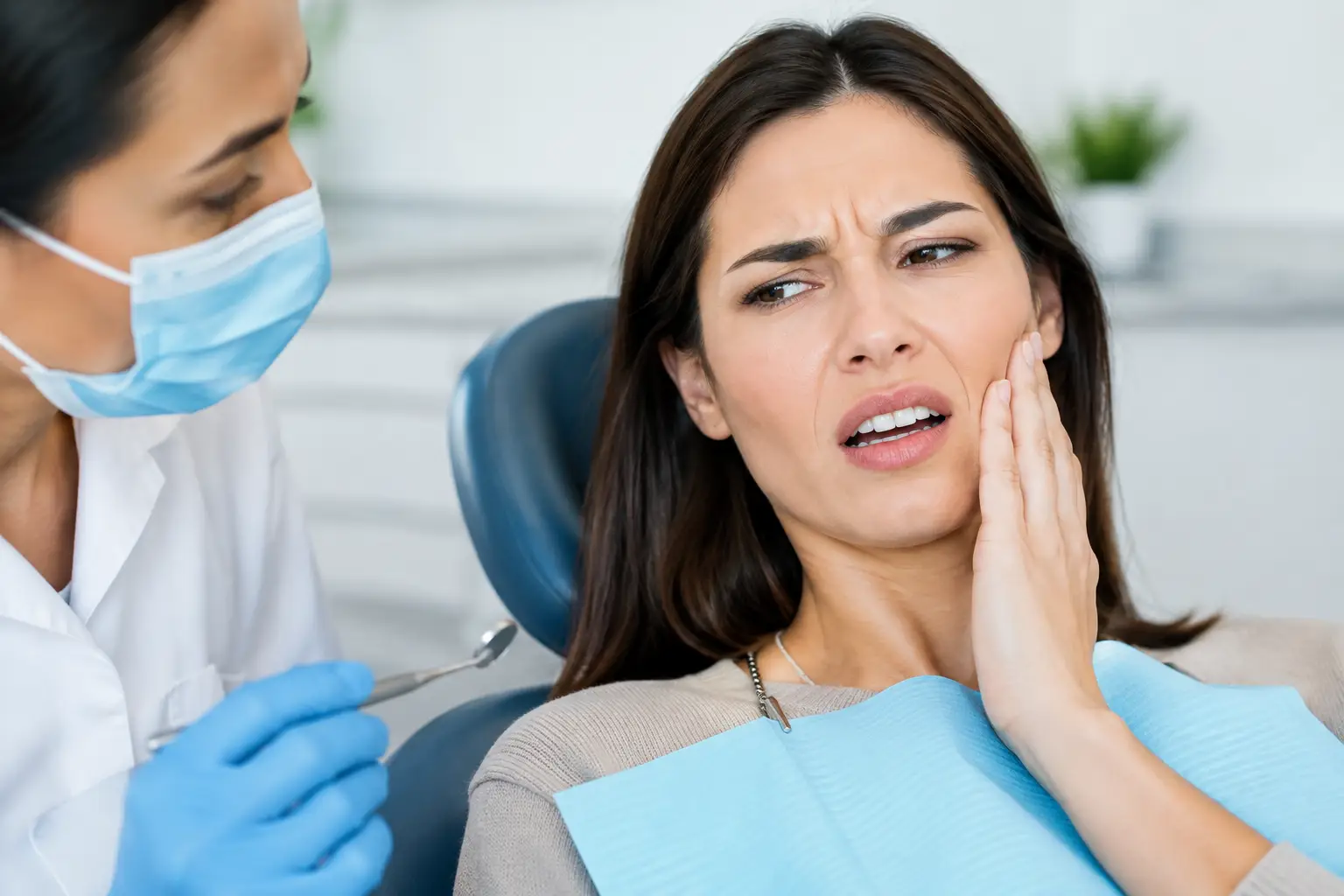
A dental crown should feel like part of your smile, not the first thing you notice every time you sip coffee or chew lunch. If you are wondering, “why does my crown hurt,” the answer can range from a small bite adjustment to an issue inside the tooth or around the gumline. The reassuring news is that crown discomfort is usually something your dentist can identify and treat.
You do not have to guess, push through the pain, or assume the crown has failed. Paying attention to when it hurts, what triggers it, and how long it has been happening gives your dental team useful clues.
Why Does My Crown Hurt? The Most Common Reasons
A crown is a custom cap placed over a damaged, weakened, or treated tooth. It protects the remaining tooth structure and restores its appearance and function. Even a beautifully made crown still depends on the tooth, nerve, gums, cement, and bite around it. Pain can come from any of those areas.
Your bite may be slightly off
One of the most common reasons for pain after getting a new crown is that it sits just a little too high. A tiny difference can cause that tooth to take more pressure than the others each time you close your mouth or chew.
This can feel like tenderness when biting, a bruised sensation, jaw fatigue, or a sharp jolt on one side. It may be most noticeable with firmer foods. A dentist can check your bite with marking paper and carefully polish the crown so your teeth meet evenly. This is often a simple adjustment, but it should not be delayed if the tooth remains sore.
The tooth or nerve may be irritated
Preparing a tooth for a crown involves removing damaged material and shaping the tooth. When a tooth has had a deep cavity, a large old filling, a crack, or extensive wear, the nerve inside may already be stressed before the crown is placed.
Mild sensitivity to cold, heat, or pressure can happen for a short time after treatment, particularly if the tooth still has a living nerve. It should gradually improve, not become more intense. Lingering pain after hot or cold foods, throbbing that starts on its own, or discomfort that wakes you from sleep can suggest inflammation or infection inside the tooth. In some cases, root canal therapy is needed to save the tooth beneath the crown.
The gum tissue may be inflamed
Sore, swollen, or bleeding gums around a crown can make the entire area feel painful. Sometimes this occurs shortly after treatment because the gum was gently moved during the procedure. In other cases, plaque can collect near the crown edge, especially when flossing feels difficult or has been avoided because the area is tender.
A crown should blend smoothly with the tooth at the gumline. If there is an uneven edge, excess cement, or a space where bacteria collect, the tissue may stay irritated. A professional exam and cleaning can determine whether the issue is gum inflammation, the fit of the crown, or both.
The crown or tooth underneath may be cracked
Crowns are strong, but they are not indestructible. Biting ice, hard candy, popcorn kernels, or non-food items can chip porcelain or place enough force on a tooth to cause a crack. Teeth that have been heavily restored may also crack below the crown, where it is not visible in the mirror.
Pain from a crack often comes and goes. You may feel a quick, sharp sensation when releasing your bite rather than when biting down. Because cracks can be difficult to see, your dentist may use X-rays, magnification, bite testing, and digital imaging to locate the source of the problem.
Decay can develop at the crown’s edge
A crown does not protect the exposed tooth structure at its margin from decay forever. If bacteria enter around an aging or damaged crown, a cavity can form underneath or near the edge. This may cause sensitivity, a bad taste, tenderness, or no obvious symptoms at all until the issue is more advanced.
That is one reason regular exams matter even when a crown looks fine. Early decay may allow the tooth to be treated and restored with a new crown. If decay reaches the nerve or extends too far below the gumline, treatment becomes more complex.
The pain may be coming from a nearby tooth
Our mouths are not always precise at identifying the source of pain. A neighboring tooth with a cavity, crack, gum problem, or infection can make it seem as though your crown is the problem. Teeth that share a root area can also refer pain to one another.
Upper back tooth discomfort can occasionally be related to sinus pressure, especially if several upper teeth feel achy during a cold or seasonal allergies. A careful exam helps separate a crown-related concern from another cause.
When Crown Pain Is Normal and When It Is Not
Some sensitivity after crown treatment can be expected. Your tooth and gums have been through a procedure, and it can take a little time for the area to settle. Mild tenderness that steadily gets better over several days is different from pain that persists, intensifies, or changes character.
Call your dentist if you have pain when chewing that lasts more than a few days, temperature sensitivity that lingers after the trigger is gone, or a crown that suddenly feels different when you bite. Do not wait for a routine visit if discomfort is keeping you from eating normally or sleeping comfortably.
What You Can Do Until Your Appointment
Be gentle with the area, but do not stop cleaning it. Brush with a soft toothbrush and floss carefully around the crown to remove food and plaque. If floss catches or shreds repeatedly, mention that detail at your visit rather than forcing it.
Choose softer foods and chew on the opposite side when possible. Avoid sticky foods that could tug at a loose crown, plus hard or crunchy foods that may worsen a crack. A warm saltwater rinse can soothe irritated gum tissue. Over-the-counter pain medicine may help if it is safe for you to take based on your health history and the medication directions.
Do not place aspirin directly on the gum or tooth. It will not treat the cause and can burn the tissue. Avoid trying to glue a loose crown back into place with household adhesives, too. Dental offices have temporary materials and the right tools to assess whether the crown can be recemented or needs replacement.
Signs You Need Prompt Dental Care
A crown problem is not always an emergency, but certain symptoms deserve a same-day call. Contact your dentist promptly if you notice:
- Facial or gum swelling near the crowned tooth
- Fever, drainage, or a pimple-like bump on the gum
- Severe throbbing pain or pain that disrupts sleep
- A crown that is loose, broken, or completely comes off
- Trouble swallowing, breathing, or opening your mouth normally
Difficulty breathing or swallowing, rapidly spreading swelling, or severe facial swelling requires urgent emergency care. Dental infections can progress quickly, and getting help early is the safer choice.
How Your Dentist Finds the Cause of Crown Pain
A good diagnosis starts with listening. Your dentist will ask whether the pain is triggered by biting, cold, heat, sweets, brushing, or pressure. They will examine the crown, surrounding gums, and neighboring teeth, then check the bite and take X-rays when needed.
The solution depends on what is found. A high spot may need a quick adjustment. Inflamed gums may improve with a professional cleaning and better access for home care. A loose crown may be recemented if the tooth and restoration are sound. If there is decay, a fracture, or nerve infection, your dentist will explain the most conservative option that protects your long-term oral health.
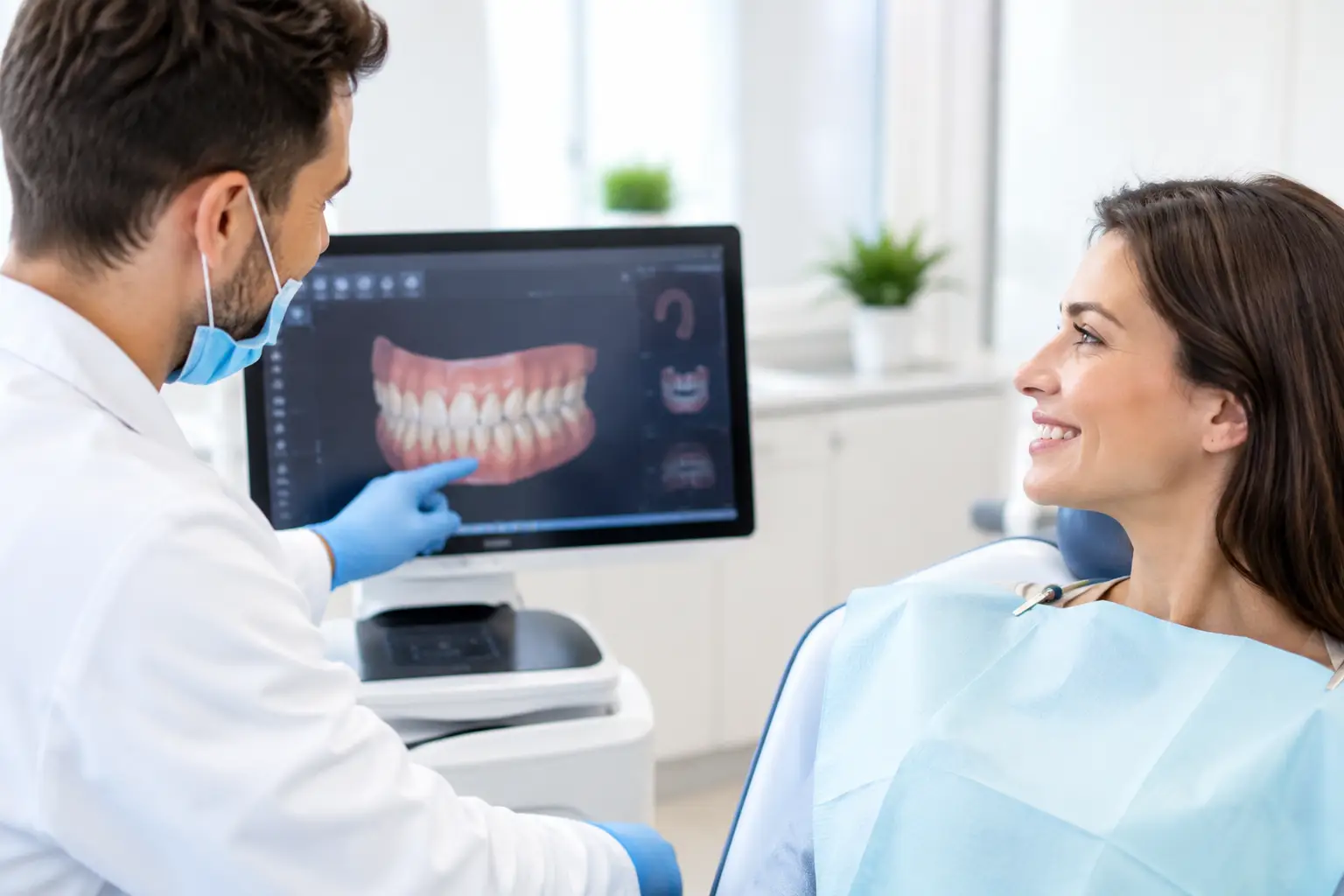
At SoFlo Dental Studio, that conversation should feel clear, not rushed. Modern digital imaging and thoughtful treatment planning can make it easier to see what is happening and understand why a particular recommendation is being made. Comfort matters, especially when you are already worried about a painful tooth.
A crown is designed to give a tooth another chance to function comfortably for years. If yours hurts, let the discomfort be a reason to check in, not a reason to panic. A timely visit can often turn an uncertain, painful situation into a straightforward plan for relief.