A missing tooth can change more than a smile. It can make you avoid certain foods, speak more carefully, or feel less like yourself in photos. When considering dental implants versus dentures, the best choice is rarely about finding one option that is universally better. It is about finding the replacement that suits your health, goals, timeline, comfort level, and daily life.
At SoFlo Dental Studio, that conversation starts with listening. Whether you are replacing one tooth, several teeth, or a full arch, you deserve a clear plan and the space to make a decision without pressure.
Dental implants versus dentures: the essential difference
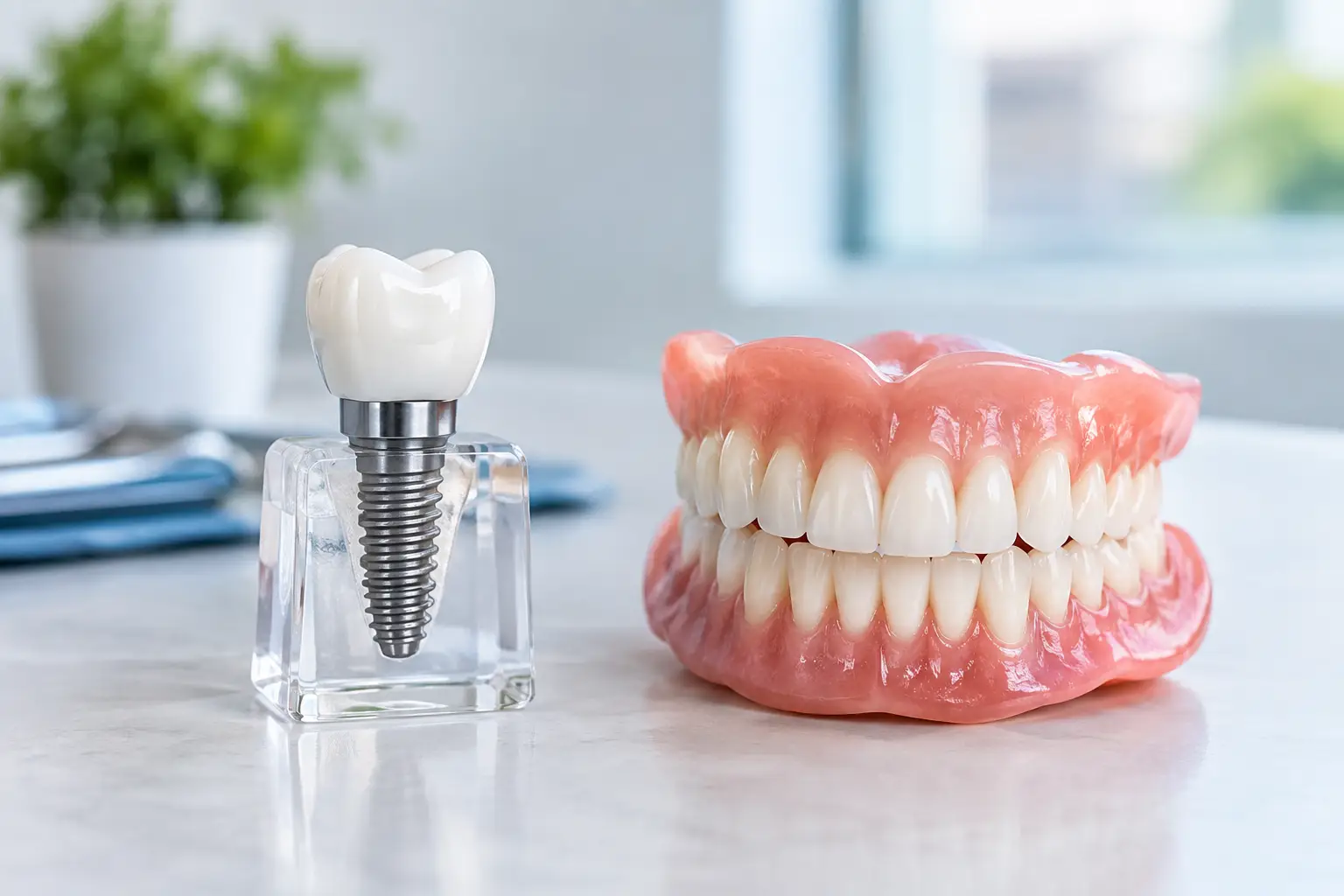
Dentures are removable appliances that replace missing teeth. A full denture replaces all teeth in an upper or lower arch, while a partial denture fills gaps when some natural teeth remain. Modern dentures can look remarkably natural, and they are often a practical way to restore a smile without surgery.
Dental implants replace the root portion of a missing tooth with a small titanium post placed in the jawbone. After healing, the implant can support a crown, bridge, or a full-arch restoration. Because an implant is anchored in bone, it is designed to feel and function more like a natural tooth.
There is also a middle ground: implant-supported dentures. These are removable or fixed prosthetics secured by implants, offering more stability than traditional dentures while often requiring fewer implants than a fully fixed arch.
How each option feels in everyday life
For many people, daily comfort is the deciding factor. Traditional dentures rest on the gums and are held in place by suction, natural contours, or adhesive. A well-made denture should be comfortable, but it may still shift slightly when eating or speaking. Lower dentures, in particular, can be challenging because there is less surface area for suction.
Implants do not move independently because they are secured in the jaw. A single implant crown is brushed like a natural tooth, and implant-supported restorations typically offer greater biting confidence than a conventional denture. Patients often appreciate being able to laugh, talk, and order a meal without wondering whether their teeth will slip.
That said, an implant restoration is not the only route to a confident smile. A carefully designed denture can restore facial support, appearance, and function beautifully. The right fit, precise bite, and thoughtful adjustments make a meaningful difference. If you have worn dentures that felt bulky or unstable, it may be worth asking whether a new design, relining, or implant support could improve the experience.
Eating and speaking
Dentures require an adjustment period. At first, softer foods and smaller bites can help while your cheeks, tongue, and muscles learn to work with the appliance. Some foods, such as sticky candy, crusty bread, nuts, or corn on the cob, may remain difficult with conventional dentures.
Implants generally allow stronger chewing forces and do not cover the palate when replacing upper teeth with an implant-supported option. This can make food texture and taste feel more natural. Still, every restoration has limits. Ice, hard candy, and using teeth to open packages can damage crowns, dentures, or natural teeth alike.
Bone health and facial support
After a tooth is lost, the jawbone in that area gradually shrinks because it no longer receives stimulation from the tooth root. Over time, this can affect the fit of a denture and contribute to changes in facial support.
Dental implants help stimulate the jawbone in the area where they are placed. They cannot reverse every change that has already occurred, but they can help preserve bone after tooth loss. For patients who have been missing teeth for years, bone grafting may be recommended before implants can be placed.
Dentures do not stimulate the jawbone, which means periodic adjustments, relines, or replacement are expected as the mouth changes. This is not a flaw in dentures. It is simply part of long-term denture care and should be planned for from the beginning.
Treatment time and what the process involves
Dentures can often be completed more quickly than implants, especially when a patient needs a removable solution soon after extractions. Immediate dentures may be placed on the day teeth are removed, allowing you to leave with teeth while your gums heal. Because healing tissues and bone change rapidly afterward, those dentures usually need adjustments and may later be replaced with a final version.
Implant treatment takes more time. After placement, an implant commonly needs several months to integrate with the jawbone before it supports a final crown or bridge. Some patients qualify for a temporary tooth or same-day provisional restoration, but the final timeline depends on bone quality, gum health, the location of the implant, and whether extractions or grafting are needed.
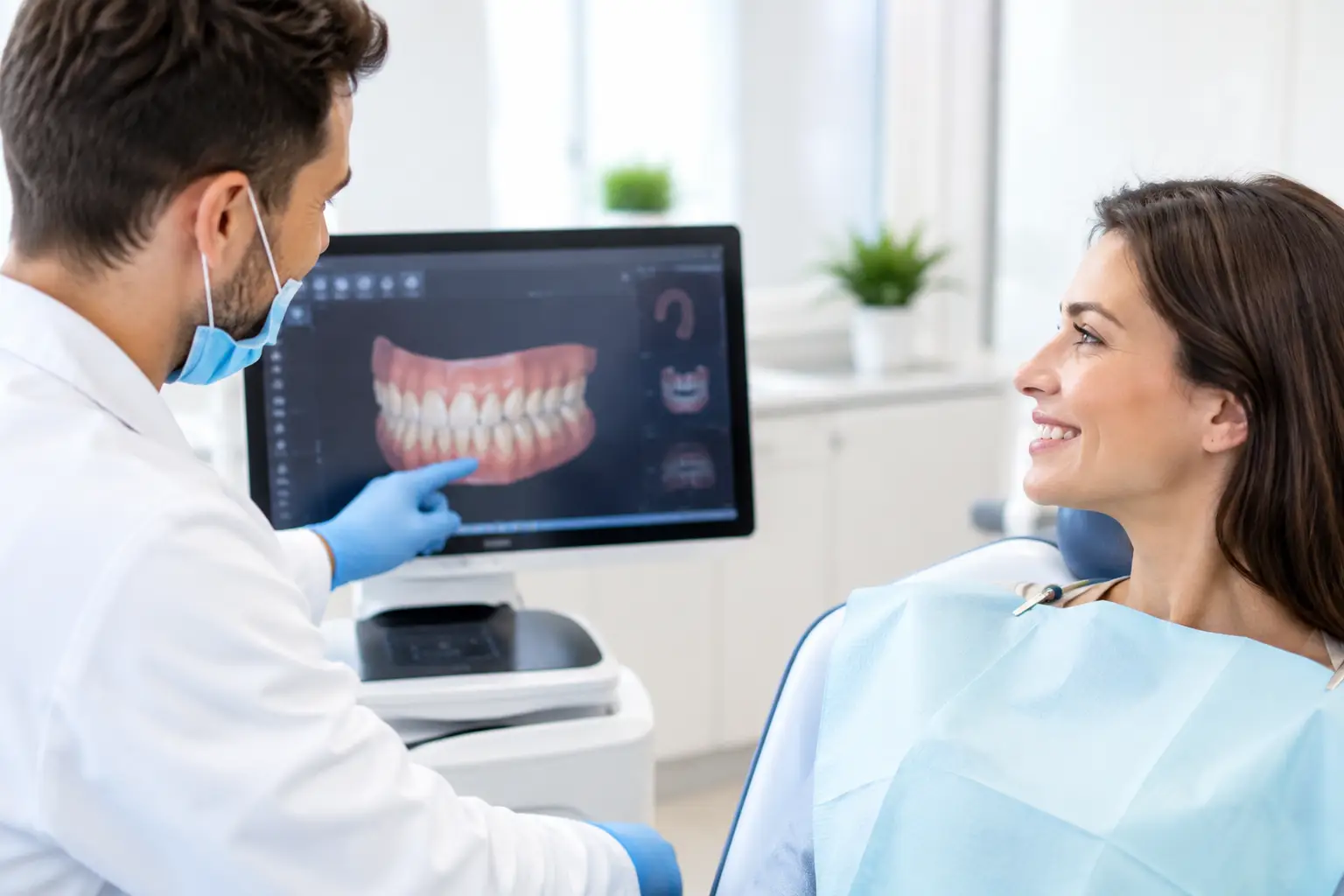
The process should never feel mysterious. Digital scans and detailed treatment planning allow your dentist to evaluate available bone, map the placement, and explain each stage before treatment begins. For patients who feel nervous about surgery, small comfort details matter too. A calm room, a neck pillow, noise-canceling headphones, and clear explanations can make a clinical visit feel far more manageable.
Cost: looking beyond the first number
Dentures usually have a lower upfront cost than implants. For someone who needs an affordable, timely solution for many missing teeth, that can be a very compelling advantage. Insurance benefits may also apply differently depending on the plan and type of restoration.
Implants involve a higher initial investment because they include surgical placement, restorative components, imaging, and sometimes grafting or additional procedures. Yet they may offer value over time through improved stability, fewer denture-related adjustments, and the potential to preserve bone. A single implant may also prevent the need to reshape healthy neighboring teeth, as is often required for a traditional bridge.
The most useful financial conversation is not simply, “What does it cost?” It is, “What will this option require over the next five, 10, or 15 years?” Dentures may need relines, repairs, and replacement. Implant restorations also need maintenance and can occasionally need repairs, but the implant itself may last for many years with good care.
A personalized estimate should clearly separate the phases of treatment and explain insurance, membership benefits, and financing options where available. There should be no guessing about what comes next.
Who may be a good candidate for implants?
Many adults who assume they are not candidates are surprised to learn they may be eligible. Age alone does not rule out implants. A healthy retiree in their seventies may be an excellent candidate, while a younger patient with untreated gum disease may need periodontal care first.
Good candidacy depends on overall health, gum condition, bone volume, bite forces, and habits such as smoking or teeth grinding. Diabetes and certain medications do not automatically prevent implant treatment, but they call for thoughtful planning. If you clench or grind your teeth, a night guard may be recommended to protect your restoration.
Dentures may be the better choice if you want to avoid surgery, need a faster replacement, have medical considerations that make surgery less suitable, or simply prefer a removable option. Choosing dentures is not settling. It can be a smart, effective treatment choice when it aligns with your needs.
Caring for your new teeth
Both options need daily attention. Dentures should be removed and cleaned each day, then stored safely when not being worn. Your gums, tongue, and any remaining natural teeth still need gentle cleaning, and regular dental visits remain essential.
Implant crowns and bridges need consistent brushing, flossing or specialty cleaning tools, and professional maintenance. Implants cannot get cavities, but the gum and bone around them can develop inflammation if plaque builds up. This condition, called peri-implant disease, can threaten the long-term health of an implant if left untreated.
A fixed implant bridge may require a little more technique to clean underneath it, while a removable implant-supported denture can be taken out for cleaning. Your dentist can help you choose a design that matches your dexterity, routine, and preferences.
Choosing a solution you can feel good about
The best place to begin is a consultation that looks at the whole picture: your oral health, the way you want to eat and speak, how you feel about surgery, your aesthetic goals, and your budget. Photos, digital scans, and a clear preview of the proposed restoration can make the decision feel much less overwhelming.
You do not have to decide between a functional smile and a comfortable experience. Take the next step at your pace, ask every question you have, and choose the treatment that helps you feel at home in your smile again.