A dental implant should feel like a return to normal: eating comfortably, smiling without holding back, and no longer planning your day around a missing tooth. Dental implant longevity is what makes that confidence possible. While no dentist can promise an exact number of years for every person, a well-planned implant that is cared for consistently can serve you for decades.
The reassuring part is that many of the factors that influence an implant’s future are known before treatment begins. Thoughtful planning, healthy gums, a well-designed restoration, and simple daily habits all matter. At SoFlo Dental Studio, the goal is not simply to replace a tooth. It is to help create a result that feels natural, functions comfortably, and is built with your long-term health in mind.
How long do dental implants usually last?
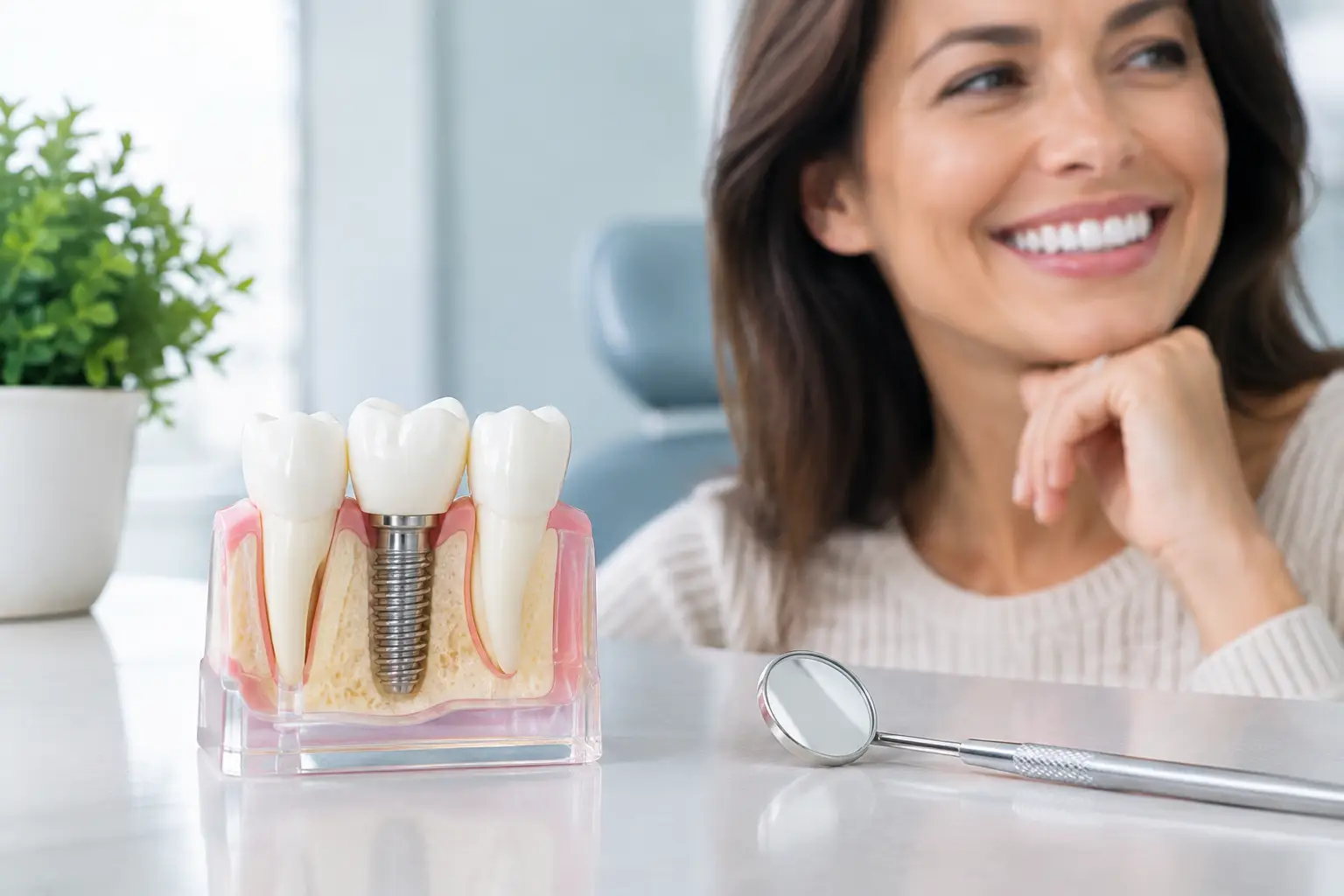
The implant itself is the small titanium post placed in the jawbone. Once it heals and bonds with the bone, it becomes the foundation for a crown, bridge, or denture. With proper care, the implant post can often last a lifetime.
The visible restoration attached to it has a different timeline. An implant crown is exposed to the same chewing forces, temperature changes, and daily wear as a natural tooth. Many crowns last 10 to 15 years or longer, although some need replacement sooner and others remain in excellent shape for decades. This does not necessarily mean the implant has failed. Often, the crown can be replaced while the implant beneath it remains healthy and stable.
Your individual outcome depends on more than the material used. Your bite, gum health, bone support, medical history, home care, and habits all influence how well the implant system performs over time.
What has the biggest impact on dental implant longevity?
A precise foundation from the start
Implants depend on healthy bone for stability. Before treatment, a careful evaluation helps your dentist determine whether the implant can be placed in the right position, with the right support, for the restoration you need. Digital imaging and detailed treatment planning allow the team to assess bone volume, neighboring teeth, sinus position in the upper jaw, and your bite before surgery begins.
Sometimes a patient needs bone grafting or gum treatment first. That may add time to the process, but it can be the wiser long-term choice. Rushing ahead when the foundation is not ready can compromise the result. A calm, clear plan is worth the extra care.
Healthy gums around the implant
Implants cannot get cavities, but the tissues around them can still become inflamed or infected. Plaque bacteria can collect along the gumline and trigger bleeding, tenderness, swelling, or bone loss around an implant. This condition is known as peri-implant disease, and it is one of the leading threats to long-term implant success.
The earliest stage can often be managed when caught promptly. That is why routine hygiene visits are not just about polishing your smile. They give your dental team an opportunity to check the gum tissue, measure for changes, and clean areas that are difficult to reach at home.
Patients with a history of periodontal disease can absolutely be candidates for implants, but they usually need a more intentional maintenance plan. The right recall schedule depends on your gums, your home-care routine, and the complexity of your restoration.
A bite that is properly balanced
Implants are strong, but they do not have the same cushioning ligament as natural teeth. When an implant crown receives too much force, especially from clenching or grinding, the crown, connector, or surrounding bone can be stressed over time.
A carefully designed crown should fit your smile and your bite, not just fill a space. If you grind your teeth at night, a custom nightguard may help protect both your implant and your natural teeth. It is a small step that can prevent chipped porcelain, loosened components, and unnecessary wear.
Your everyday health and habits
Smoking and tobacco use make healing more difficult and raise the risk of gum and bone complications around implants. Reducing or stopping tobacco use is one of the most meaningful choices you can make for your oral health and overall well-being.
Conditions such as diabetes do not automatically rule out implants, but blood sugar that is not well controlled can affect healing and infection risk. Certain medications, dry mouth, and immune-system conditions may also change how your dentist plans treatment and follow-up care. Honest conversations about your health allow for safer, more personalized recommendations.
Daily care that protects your implant
An implant needs the same attention you would give a natural tooth, with a little extra focus at the gumline. Brush twice a day with a soft-bristled toothbrush and fluoride toothpaste, taking time to clean where the crown meets the gums. Clean between teeth every day with floss, interdental brushes, or another device your dental team recommends.
The best tool is the one you will use consistently and correctly. For a single implant, floss may be a simple option. For an implant bridge or an implant-supported denture, a water flosser, interdental brush, or floss threader may make it easier to clean underneath and around the restoration. Your hygienist can show you exactly where plaque tends to hide, without making the appointment feel rushed or confusing.
Try not to use teeth as tools for opening packages, holding pins, or cracking ice. These habits can damage even a well-made crown. If something feels different – a new clicking sensation, tenderness when chewing, bleeding gums, or a crown that feels high – schedule a visit rather than waiting for it to worsen.
Why regular maintenance matters after treatment
After your implant is restored, it is easy to think the work is finished. In one sense, it is: you can get back to enjoying meals and speaking and smiling with ease. But maintenance is what protects that investment year after year.
At regular visits, your dentist and hygienist can evaluate the crown, gum tissue, bite, and bone levels. They may take periodic X-rays to look beneath the surface, where a problem cannot be seen in the mirror. They can also check whether the crown is wearing normally or whether a nightguard, adjustment, or updated home-care routine would help.
These appointments are usually straightforward, especially when everything is healthy. For patients who feel anxious about dental care, knowing what will happen before it happens can make a meaningful difference. A comfortable setting, transparent explanations, and a team that listens can make maintenance feel manageable rather than stressful.
Can an implant fail years later?
Yes, although many implants remain successful for a very long time. Early problems are more often related to healing and integration with the bone. Later complications tend to involve gum infection, bone loss, excessive bite force, or damage to the restoration.
Not every issue means the implant must be removed. A chipped crown, loose screw, or worn restoration may be repairable. Inflammation around an implant may also respond best when addressed early. The key is paying attention to changes instead of assuming they will resolve on their own.
Call your dentist if you notice persistent bleeding, swelling, pain, pus, bad taste, recession around the implant, looseness, or changes in the way your teeth come together. Implants should feel stable and comfortable. A quick evaluation can offer clarity and, when needed, early treatment.
A long-lasting implant begins with a plan that fits you
Choosing an implant is a meaningful decision, both for your health and your confidence. It deserves more than a one-size-fits-all answer about cost, timeline, or expected lifespan. Some patients are ready for implant placement soon after an evaluation. Others benefit from treating gum disease, rebuilding bone, or stabilizing their bite first.
The most durable result is usually the one that respects your starting point, your goals, and your ability to maintain it. Ask questions, understand the steps, and choose a team that makes room for your comfort at every visit. With attentive care and regular follow-up, your implant can remain a dependable part of your smile for many years ahead.