A smile concern rarely stays limited to a photo. A chipped front tooth may make you cover your mouth when you laugh. Years of coffee or wine can leave your teeth looking darker than you feel. Small gaps, uneven edges, old bonding, or teeth that appear too short can quietly affect how freely you speak and smile. A cosmetic smile makeover is a personalized way to address those details with a plan built around your features, goals, oral health, and comfort.
At SoFlo Dental Studio, the conversation starts with listening, not selling you a one-size-fits-all treatment. Dr. Carmine Scarfone and the team use modern imaging and smile-design tools to make the process more visible and less mysterious. You should be able to understand what is changing, why it is recommended, and what your options look like before making a decision.
What Is Included in a Cosmetic Smile Makeover?
A cosmetic smile makeover is not one procedure. It is a tailored combination of treatments that improves the appearance of your smile while respecting its function and long-term health. For one person, professional whitening and a little bonding may be enough. For another, a more comprehensive plan involving veneers, crowns, clear aligners, or dental implants may create the balance they have been looking for.
The right approach depends on what you want to change and what your teeth and gums need first. Common concerns include discoloration, worn or uneven teeth, spacing, minor crowding, chips, visible old restorations, and teeth that no longer complement the shape of the face.
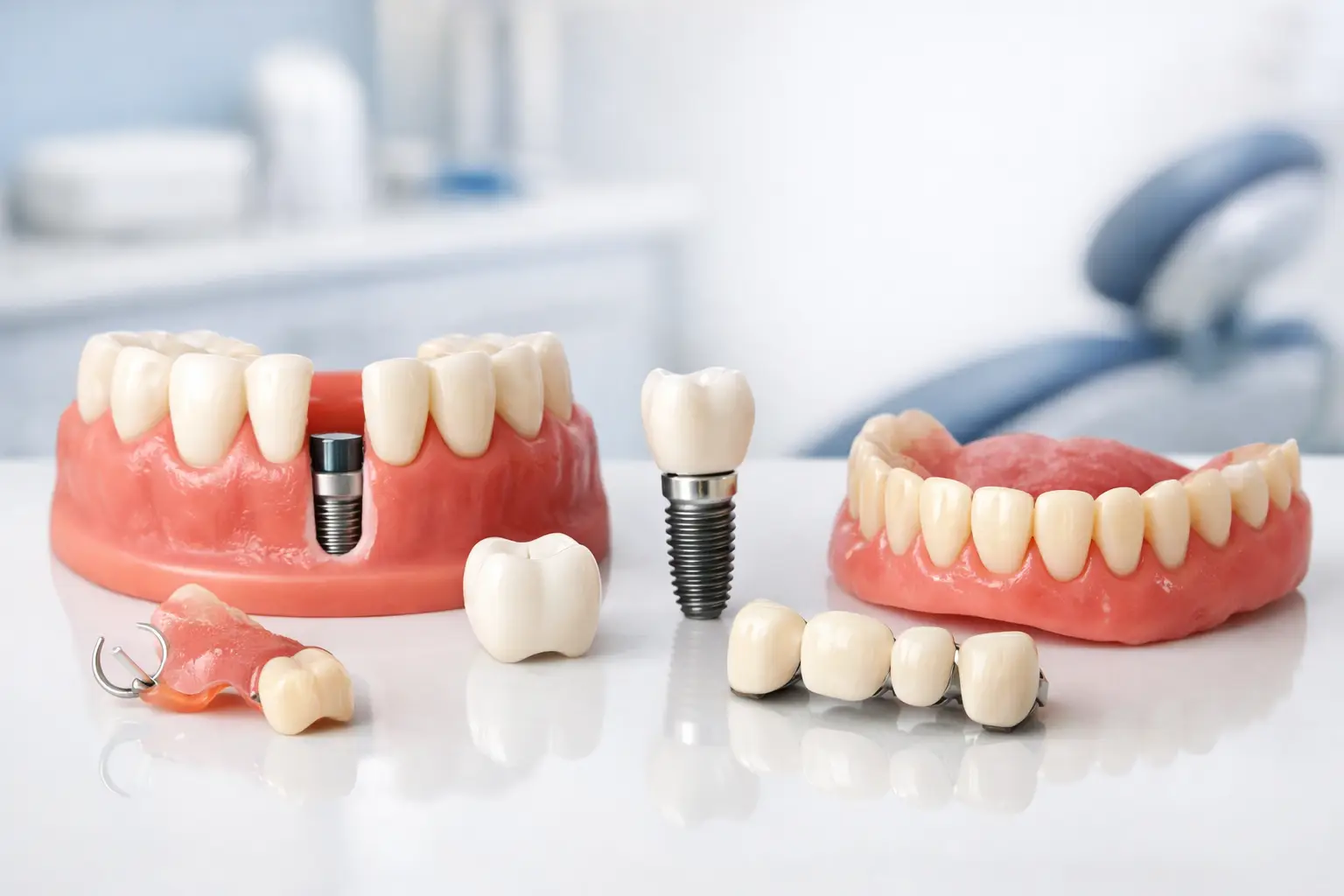
Treatment may include professional whitening for healthy teeth with surface or internal staining. Cosmetic bonding can reshape a small chip, close a narrow gap, or smooth uneven edges. Porcelain veneers can change color, shape, proportion, and symmetry across visible teeth. Crowns may be a better choice when a tooth is weakened, heavily restored, or needs protection in addition to a cosmetic improvement.
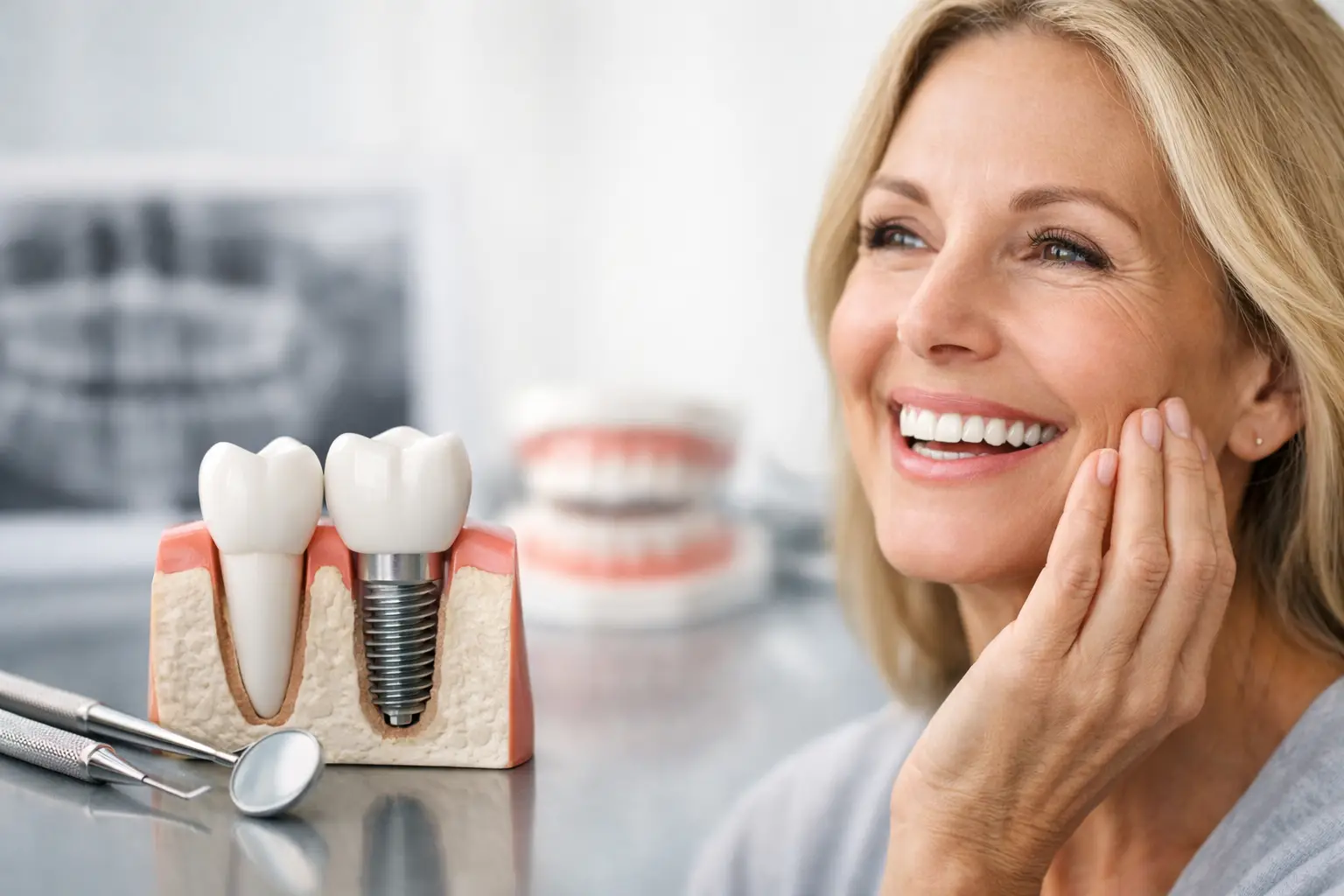
When alignment is part of the concern, clear aligners can gently reposition teeth before whitening, bonding, or veneers. Missing teeth may call for an implant and a natural-looking restoration. Healthy gums also matter. If gum inflammation or uneven gum tissue affects the appearance of your smile, periodontal care may be an essential first step rather than an afterthought.
Your Smile Should Still Look Like You
The best cosmetic dentistry does not announce itself from across the room. It looks refreshed, balanced, and believable.
A bright, highly uniform smile may be right for some patients, while others prefer subtle changes that preserve the little characteristics that make their smile recognizable. There is no single “perfect” shade of white, tooth shape, or veneer style. Your complexion, lip line, facial proportions, personality, and goals all belong in the conversation.
That is why a thoughtful smile makeover is more than choosing a photo from social media. A treatment plan should consider how your teeth look when you speak, how they meet when you bite, whether you grind or clench, and how much natural tooth structure can be preserved. Cosmetic choices made without those details can look unnatural or create problems later.
Digital Planning Makes the Decision Clearer
It can be difficult to commit to cosmetic treatment when you are asked to imagine the result. Digital scans and smile-design software help replace guesswork with a more collaborative planning process. Your dentist can evaluate your current smile, discuss proportions and options, and help you preview the direction of your treatment before work begins.
A preview is not a promise of an identical final image, since natural teeth, gum tissue, materials, and healing all influence the finished result. Still, it creates a valuable starting point. You can share what you like, what feels too bright or too dramatic, and where you would prefer a more subtle look. That input matters.
A Calm Process From First Visit to Final Result
Cosmetic dentistry should feel exciting, not overwhelming. Your first visit is a chance to talk openly about what has been bothering you and what you hope will feel different after treatment. Expect an examination of your teeth, gums, bite, and existing dental work, along with photos or digital scans when appropriate.
From there, your care team can explain whether treatment should happen in stages. For example, a patient with gum irritation may benefit from periodontal treatment before veneers. Someone with crowding might get a more conservative and lasting outcome by completing clear aligner treatment before cosmetic bonding. If a tooth has a large old filling or crack, a crown may be safer than a veneer.
You will also discuss timing. Whitening and bonding can sometimes be completed relatively quickly. Veneers, crowns, aligners, implants, and more complex restorative work require more planning and appointments. A good plan does not rush because a calendar date is approaching. It balances your goals with healthy, predictable care.
For patients who feel uneasy in a dental chair, comfort deserves attention too. A quieter setting, noise-cancelling headphones, an eye mask, a neck pillow, and clear explanations before each step can make a meaningful difference. Relax. We’ve got you. You remain part of the process, and you can ask for a pause or clarification at any time.
Veneers, Whitening, and Bonding: How Do You Choose?
These treatments can all improve a smile, but they solve different problems.
Professional whitening is often the most conservative place to start when tooth color is the main concern. It does not change tooth shape, close gaps, or alter old crowns and fillings. Those existing restorations may need to be replaced afterward if they no longer match your newly whitened teeth.
Bonding uses tooth-colored composite material to make targeted improvements. It can be an excellent option for small chips, narrow gaps, or mild asymmetry, often with minimal alteration to the tooth. It may stain or wear sooner than porcelain and can require maintenance over time, especially for patients who bite their nails, chew ice, or clench.
Veneers are thin custom shells, usually porcelain, designed to cover the front surface of selected teeth. They can create more significant changes in color, shape, and symmetry. Veneers are durable and stain-resistant, but they are a long-term commitment. Depending on the case, preparation of the natural tooth may be needed, and veneers will eventually require replacement.
The “best” option is not automatically the most extensive one. It is the one that achieves your goals while protecting healthy teeth and fitting your budget, timeline, and willingness to maintain the result.
Planning for Cost and Long-Term Care
Cosmetic treatment is an investment, so straightforward financial conversations are part of respectful care. The total cost varies based on the number of teeth involved, materials, preparatory treatment, lab work, and the complexity of your case. Some health-related restorative needs may have insurance benefits, while elective cosmetic portions are commonly not covered.
Before treatment starts, ask for a clear explanation of your proposed plan, expected costs, available alternatives, and payment options. Insurance-accepted care, a membership plan for patients without insurance, and CareCredit financing can help make needed dentistry more manageable. The right choice should feel informed, not pressured.
Once your new smile is complete, protect it with regular exams and cleanings, a consistent home routine, and a nightguard if you grind or clench. Avoid using your teeth as tools, and let your dentist know if a restoration feels rough, loose, or different when you bite. Small concerns are usually easier to address early.
Is a Cosmetic Smile Makeover Right for You?
You do not need a dramatic dental problem to ask about cosmetic care. Many patients simply want to feel more at ease in photos, presentations, celebrations, or everyday conversations. The most productive first step is a consultation that treats your concerns seriously without assuming the answer is veneers or a complete transformation.
Bring the smile goals that have been on your mind, even if they seem small. With gentle care, thoughtful design, and a plan that respects your health, you can make changes that feel natural every time you catch your reflection.