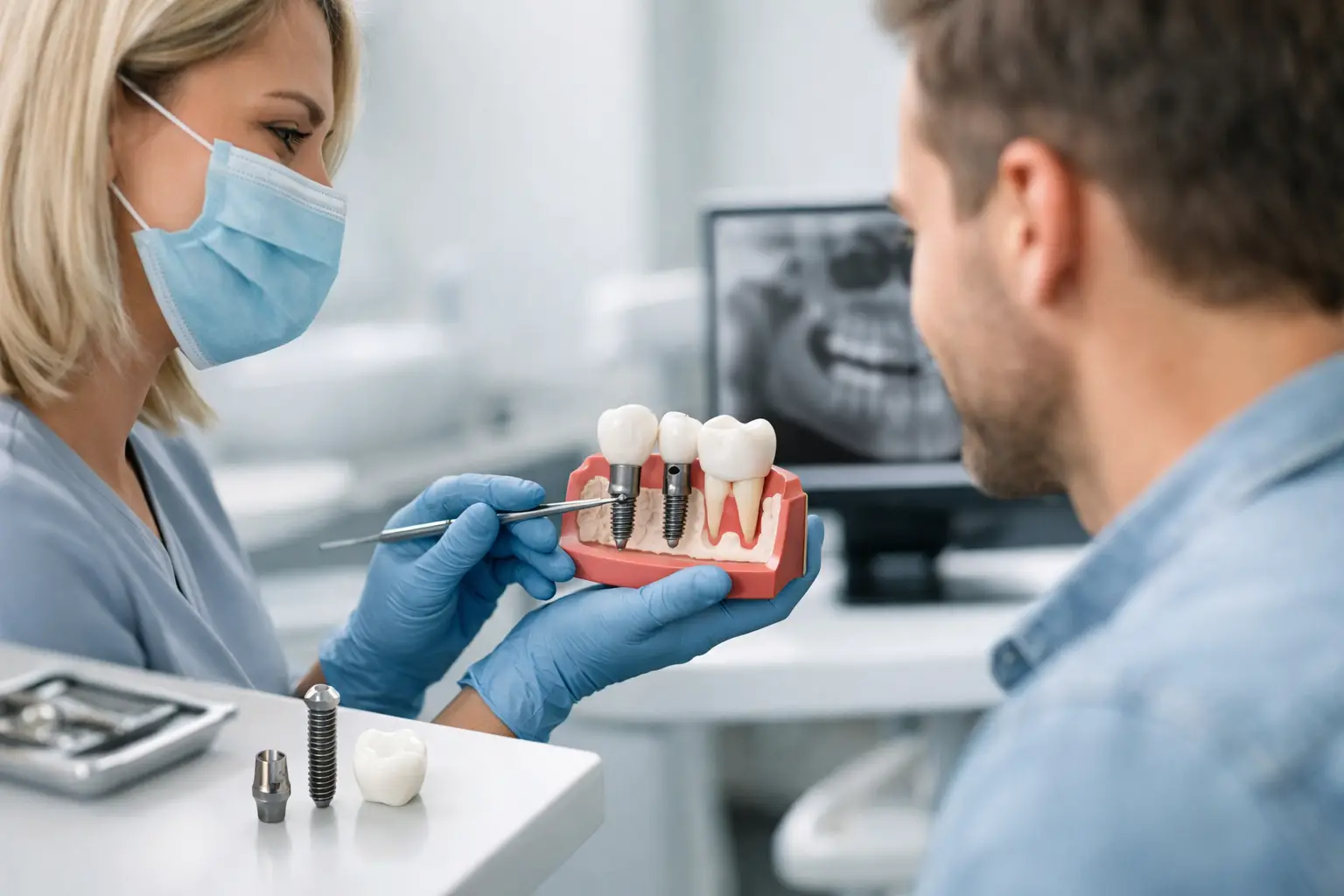
A missing tooth can affect more than the way you chew. You may notice yourself avoiding certain foods, smiling less freely in photos, or feeling distracted by the space every day. Dental implant preparation is the thoughtful planning that happens before surgery, and it is one of the most meaningful parts of creating a result that feels secure, natural, and built to last.
At SoFlo Dental Studio, preparation is never treated like a quick checklist. It is a conversation, a careful evaluation, and a chance for you to understand your options without feeling rushed. Relax. We’ve got you.
Why Dental Implant Preparation Matters
A dental implant replaces a missing tooth root with a small titanium post that is placed in the jawbone. After healing, the implant can support a custom crown, bridge, or denture. While the placement appointment is important, the outcome depends heavily on what is learned and planned beforehand.
Your dentist needs to understand the health of your gums, the amount and shape of available bone, the position of nearby teeth, and how your bite comes together. An implant should not simply fill an empty space. It should work in harmony with your smile, your chewing pattern, and your long-term oral health.
Careful planning also helps identify concerns early. If gum disease is active, for example, it should be treated before implant surgery. If bone has shrunk after a tooth has been missing for a while, bone grafting may be recommended to create a stronger foundation. These steps can add time, but they are often what make a more predictable, comfortable result possible.
Your First Implant Consultation
Your consultation is where the plan begins to take shape. This visit is designed to be informative, not intimidating. You can share what you have been experiencing, ask questions about timing and cost, and talk openly about any anxiety you feel around dental treatment.
Your dentist will review your medical and dental history, including medications, chronic health conditions, smoking or vaping habits, and previous dental work. Certain medications and conditions can affect healing, so this information is essential for creating a plan that is right for you. It is always best to be candid, even if something seems unrelated to your mouth.
The clinical exam may include an evaluation of the missing-tooth area, surrounding teeth, gums, bite, and jaw function. Your dentist will also look for signs of inflammation, infection, tooth grinding, or decay that could influence treatment.
For many patients, this appointment brings relief. Instead of wondering whether an implant is possible, you leave with clearer answers and a roadmap for the next steps.
Digital Imaging Gives Your Plan More Clarity
Modern implant planning relies on detailed imaging. Digital X-rays and, when appropriate, 3D imaging allow your dental team to see beneath the gumline and assess structures that cannot be evaluated by sight alone.
These images help measure bone height and width, locate nerves and sinus spaces, and determine the ideal angle and position for an implant. This planning is especially valuable for back teeth, upper-jaw implants near the sinuses, or cases where bone loss is present.
Digital scans may also be used to create a precise model of your teeth and bite. Rather than relying only on traditional impressions, a scan captures detailed information comfortably and efficiently. It helps your dentist plan a restoration that looks balanced and feels natural when you speak and chew.
Preparing Your Mouth for an Implant
Not every patient needs the same preparation. Some people are ready for implant placement soon after their evaluation. Others benefit from a few health-focused steps first. Neither situation is a setback. The right timeline is the one that protects your long-term result.
Treating Gum Disease or Infection
Healthy gums are essential around an implant. If there is active periodontal disease, bleeding, deep gum pockets, or infection, those concerns need attention before surgery. Bacteria and inflammation can compromise healing and may raise the risk of implant complications later.
Treatment can range from a professional cleaning to deeper periodontal care, depending on your needs. If the damaged tooth is still present and has an infection, extraction and site cleanup may be part of the first phase of treatment.
Building a Stronger Bone Foundation
Bone naturally changes after a tooth is lost. In some cases, the jawbone remains strong enough to support an implant without additional treatment. In others, a bone graft may be recommended to restore lost volume or support the implant in the ideal position.
A graft can be completed at the time of extraction, before implant placement, or during placement in select cases. Healing time varies based on the location, the amount of grafting needed, and your body’s response. Your dentist will explain whether immediate placement is a realistic option or whether giving the site more time will lead to a more reliable outcome.
For upper back teeth, a sinus lift may occasionally be needed when the sinus space sits close to the jawbone. This is a specialized planning decision, not an automatic part of implant care.
Looking at the Teeth Around the Space
An implant is part of a larger smile, not a stand-alone repair. The neighboring teeth need to be stable, clean, and healthy enough to support a comfortable bite around the new restoration. If a nearby tooth needs a filling, crown, root canal treatment, or periodontal care, it may make sense to address it before or alongside implant treatment.
Your bite matters, too. If you clench or grind your teeth, the pressure can place stress on both natural teeth and implants. A custom nightguard may be recommended after your final restoration is complete to help protect your investment.
What to Do Before Implant Surgery
Once your treatment plan is set, the practical side of preparation begins. Your dental team will give you instructions tailored to your procedure, especially if sedation is part of the visit. Follow those directions closely, since eating, drinking, and medication guidelines can differ depending on the type of anesthesia used.
Plan for a lighter schedule after surgery. Most patients appreciate having time to rest, use cold compresses if advised, and choose soft foods for the first day or two. Arrange for a trusted adult to drive you home if you receive oral sedation or IV sedation.
Fill any prescribed medications in advance and stock your kitchen with easy options such as yogurt, smoothies eaten with a spoon, scrambled eggs, soups that are not too hot, and mashed vegetables. Avoid drinking through straws during the early healing period unless your dentist tells you otherwise, since suction can disturb a surgical site.
If you smoke or vape, talk with your dentist honestly about stopping before and after surgery. Tobacco and nicotine can interfere with blood flow and healing, increasing the risk of complications. This is one of the clearest ways you can support your implant’s success.
Wear comfortable clothing to your appointment, and bring headphones if music helps you settle in. A calming environment matters. Small comforts such as noise-canceling headphones, a neck pillow, or an eye mask can make a clinical appointment feel far more manageable, especially for patients with dental anxiety.
Questions Worth Asking Before You Commit
A good implant plan should make sense to you. You deserve clear explanations about what is being recommended and why. Ask how many implants you need, whether grafting is likely, what your healing timeline may look like, and what type of restoration will ultimately be placed.
It is also reasonable to discuss fees, insurance benefits, financing, and phased treatment options before care begins. Implant dentistry is a meaningful investment, and transparent financial conversations help you make decisions without surprises. In some cases, a temporary tooth can be part of the plan while the implant heals. In others, the location and bite may make a temporary restoration less advisable. Your dentist can explain the trade-offs.
Finally, ask what ongoing care will look like. Implants cannot develop cavities, but the gums and bone around them still need consistent professional care and daily cleaning. Regular checkups give your dental team the opportunity to monitor your implant, restoration, bite, and gum health over time.
A Calm Start Changes the Whole Experience
The best dental implant preparation does more than ready your jaw for surgery. It gives you room to ask questions, understand the timing, and feel cared for at every stage. When your plan is built around your health, comfort, and goals, the next step feels less like a procedure to get through and more like a confident move toward a complete smile.