A smile can change gradually enough that you barely notice what you have been accommodating. You chew on one side. You avoid certain foods. You cover your mouth in photos. You schedule around a tooth that flares up now and then. Full mouth restoration is designed for people who are ready to stop working around their dental concerns and create a thoughtful plan for lasting comfort, function, and confidence.
This is not a one-size-fits-all procedure or a single appointment. It is a personalized approach that looks at your entire smile, bite, gum health, and long-term goals before recommending the right combination of care. For some patients, that may mean crowns and implants. For others, it may include periodontal treatment, root canal therapy, bridges, veneers, or a carefully sequenced mix of services.
At SoFlo Dental Studio, the goal is to make that process feel clear and manageable from the first conversation. Relax. We’ve got you.
What Is Full Mouth Restoration?
Full mouth restoration, sometimes called full mouth rehabilitation, is a comprehensive treatment plan that rebuilds or improves multiple teeth throughout the upper and lower arches. It may be recommended when dental concerns affect more than one area of the mouth, especially when teeth are worn, missing, damaged, decayed, or no longer meeting comfortably when you bite.
The purpose is not simply to make teeth look better, although aesthetics can be an important part of the process. A well-planned restoration considers how your teeth work together. It can help improve chewing, support a more balanced bite, protect remaining tooth structure, and create a smile that feels more like you.
Every plan is different. A patient with several missing teeth may benefit from dental implants and implant-supported crowns. Someone with widespread cracks, old failing dental work, or significant wear may need protective crowns. If gum disease is present, treating the gums often comes first, because healthy support is essential before investing in restorations.
Signs It May Be Time to Ask About Treatment
You do not have to wait for a dental emergency to talk about a comprehensive plan. Many people begin exploring full mouth restoration after years of piecemeal treatment, when another repair no longer feels like a complete answer.
A consultation may be worthwhile if you have several missing teeth, broken or heavily worn teeth, recurring problems with old crowns or bridges, frequent sensitivity, difficulty chewing, or a bite that feels uneven. Chronic jaw fatigue, clenching, and changes in the shape or length of your teeth can also be clues that your bite needs closer attention.
Cosmetic concerns matter, too. If you have become self-conscious about discoloration, uneven teeth, gaps, or a smile that no longer reflects how you want to feel in professional and social settings, restorative care may be able to address appearance and function together. The right recommendation depends on why those changes happened in the first place. Covering a concern without addressing decay, gum health, or bite forces can lead to more trouble later.
Your First Visit Should Bring Clarity, Not Pressure
Comprehensive dental care begins with listening. Before discussing treatment options, your dental team should understand what has been bothering you, what you hope will change, your health history, and how you feel about dental visits. If anxiety has kept you from seeking care, that belongs in the conversation too.
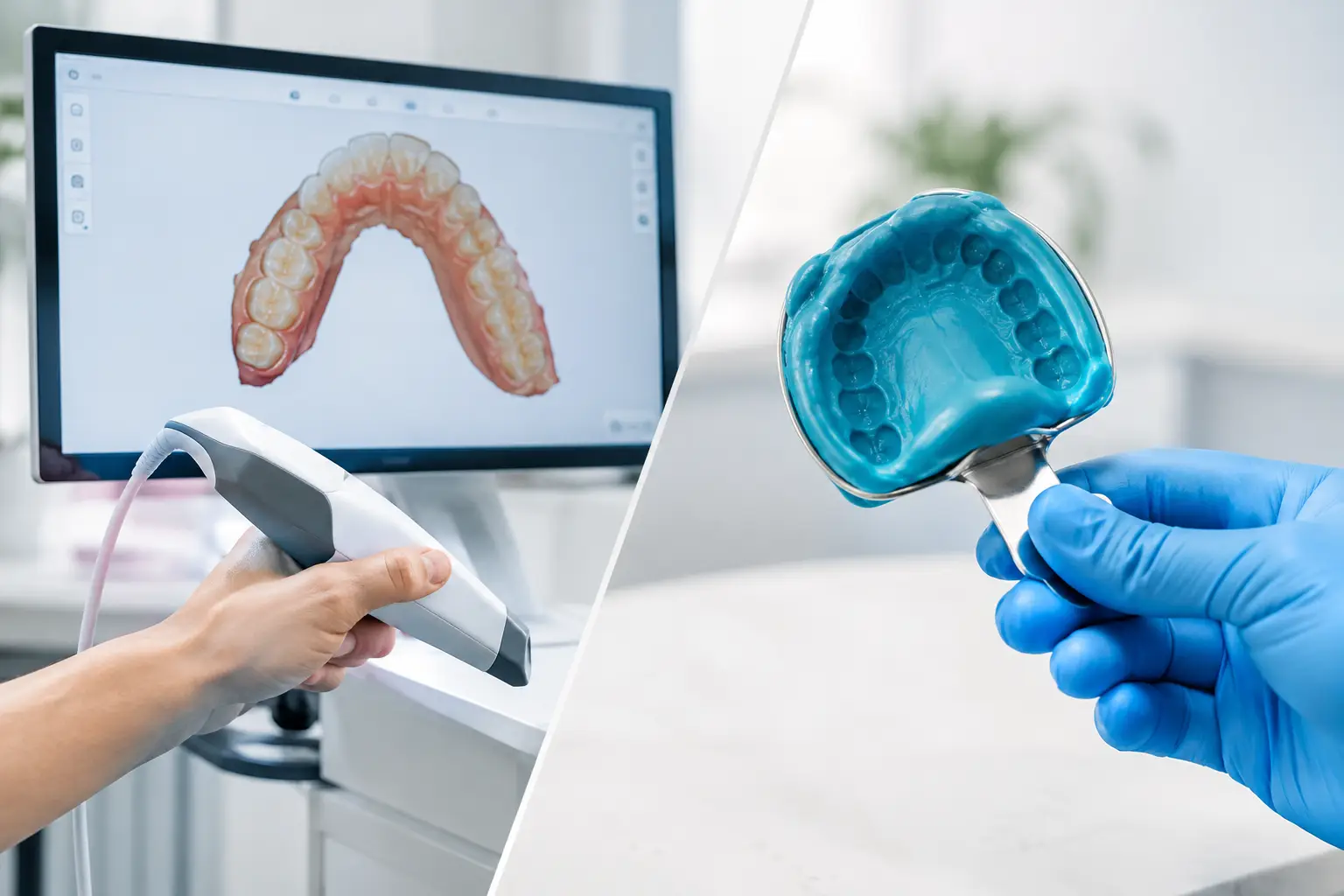
Your exam may include digital X-rays, photos, and digital scans of your teeth and bite. These tools help your dentist see what is happening below the surface and evaluate how the teeth come together. They also replace the need for many traditional impressions, making planning more comfortable and precise.
For patients considering a cosmetic change, smile-design technology can be especially helpful. Seeing a preview and discussing the details before treatment begins gives you a voice in the final result. You can talk through tooth shape, proportion, brightness, and the overall character of your smile rather than trying to picture everything from a technical explanation alone.
A good consultation should leave you with answers: what needs attention now, what can wait, which options make sense, how long treatment may take, and what each phase is intended to accomplish. You should never feel rushed into a decision.
Building a Plan Around Health, Function, and Appearance
The strongest treatment plans typically follow a careful order. Urgent infection, active decay, and gum disease need to be addressed before permanent cosmetic or restorative work begins. From there, your dentist can stabilize the bite, replace missing teeth where appropriate, and protect vulnerable teeth with restorations designed for their specific role.
Depending on your needs, a full mouth restoration plan may include:
- Periodontal treatment to improve the health of the gums and supporting bone
- Root canal therapy to save a tooth affected by infection or deep damage
- Dental implants to replace missing tooth roots and support crowns or bridges
- Crowns and bridges to restore strength, shape, and chewing function
- Veneers or whitening to refine visible teeth once underlying health is stable
- Clear aligners in selected cases to improve spacing, alignment, or bite position before final restorations
Not every patient needs every option. Preserving healthy natural tooth structure is always a priority, and a more conservative plan may be the better choice when it can meet your goals. In other cases, comprehensive treatment offers a more predictable result than repeatedly repairing individual teeth without addressing the bigger picture.
What the Process Can Feel Like
One of the biggest worries patients have is that a full mouth restoration will take over their schedule or feel physically overwhelming. The reality is more nuanced. Some cases can be completed in a relatively focused timeframe, while more complex treatment involving implants, healing, or orthodontics may take several months or longer.
Your plan can often be completed in phases. This may allow you to address pain or urgent needs first, then move forward with the next steps at a pace that works for your health, time, and budget. Temporary restorations may be used while final crowns, bridges, or implant restorations are being made, so you are not left without a functional smile during treatment.
Comfort should be part of the plan, not an afterthought. A calmer setting, transparent explanations, breaks when needed, and small details such as noise-cancelling headphones, eye masks, and neck pillows can make a meaningful difference for patients who have had difficult dental experiences in the past. Let your team know what helps you feel at ease. That information is just as useful as your X-rays.
Understanding the Investment
Because full mouth restoration is customized, there is no universal price. The cost is influenced by the number of teeth involved, the condition of your gums and bone, whether implants or surgical procedures are needed, the materials selected, and the sequence of care.
It is reasonable to ask for a written treatment plan that explains costs by phase. This gives you a practical view of what insurance may contribute, what your out-of-pocket responsibility may be, and how financing or a membership plan could fit into your decision. Insurance benefits can be helpful, but they do not always reflect the treatment that offers the best long-term value for your individual needs.
The lowest initial price is not always the least expensive path over time. Restorations should be planned with durability, bite balance, hygiene, and maintenance in mind. At the same time, the most extensive plan is not automatically the right one. Your dentist should be able to explain the trade-offs clearly, including what each option can and cannot accomplish.
Caring for Your Restored Smile
After treatment, your daily habits protect the work you have invested in. Brushing twice a day, cleaning between teeth, keeping regular hygiene visits, and addressing clenching or grinding are all important. If you receive a nightguard, wearing it as recommended can help protect crowns, veneers, and natural teeth from excessive force.
Implants, crowns, bridges, and veneers are durable, but they still need professional monitoring. Regular visits allow your dental team to check gum health, bite changes, and the condition of your restorations before small concerns become larger ones. Think of maintenance as part of preserving the comfort and confidence you worked to rebuild.
If you have been living with pain, embarrassment, or the constant effort of avoiding certain foods, you do not have to figure out the next step alone. A thoughtful consultation can turn a complicated situation into a clear path forward, one comfortable visit at a time.