That new temporary crown may feel a little different at first, especially when you bite down or run your tongue over it. That is normal. It is designed to protect a prepared tooth while your custom permanent crown is being made. A little thoughtful temporary crown care helps it stay in place, keeps the tooth comfortable, and gives your final restoration the best possible start.
A temporary crown is not meant to be as strong or as precisely fitted as the permanent one. It is held with temporary cement so your dentist can remove it easily at your next visit. Treat it gently, keep the area clean, and call your dental team if something feels off. Relax. We have you covered.
Why a Temporary Crown Needs Extra Care
Your temporary crown serves several important purposes between appointments. It covers the prepared tooth, helps protect sensitive inner layers, maintains space for the final crown, and lets you speak and smile comfortably. It also helps your gums stay in the right position for a natural-looking final result.
Because the cement is intentionally temporary, sticky foods and strong chewing forces can loosen the crown. The temporary material can also chip more easily than porcelain, ceramic, or other materials used for a permanent crown. That does not mean you need to put your life on hold. It simply means choosing foods and habits that are kind to the area for a short time.
Temporary Crown Care: What to Eat
For the first hour after your appointment, avoid eating until the numbness wears off. This protects you from accidentally biting your cheek, tongue, or lip. It also gives the temporary cement time to settle.
For the rest of the time you are wearing the crown, softer foods are usually the most comfortable choice. Eggs, yogurt, pasta, fish, cooked vegetables, soup, rice, bananas, and tender chicken are all reasonable options. If your tooth is sensitive, foods that are not extremely hot or cold may feel better.
Try to chew on the opposite side of your mouth when possible. This is especially helpful if the temporary crown is on a back tooth, where bite pressure is strongest. You do not have to chew only on one side for every meal, but giving the temporary crown a break lowers the chance of loosening it.
A temporary crown can handle normal eating, but it is wise to avoid foods that pull, stick, crack, or crunch aggressively. Set aside chewing gum, caramel, taffy, gummy candy, and sticky granola bars until your permanent crown is in place. Also be cautious with hard nuts, ice, popcorn kernels, hard candy, crusty bread, and raw vegetables. If you want an apple or similar firm fruit, slice it instead of biting directly into it.
Keep It Clean Without Pulling It Loose
Plaque can still collect around a temporary crown, so brushing and flossing remain essential. Use a soft-bristled toothbrush and brush carefully along the gumline twice a day. You can use your usual fluoride toothpaste unless your dentist gives you different instructions.
Flossing needs one small adjustment. Slide the floss gently between the teeth, then pull it out through the side instead of lifting it straight back up. Pulling floss upward can catch the edge of the temporary crown and loosen it. If the contact feels very tight or the floss shreds repeatedly, do not force it. Call the office for guidance.
An alcohol-free mouth rinse can be a comfortable addition to your routine, particularly if the gums are tender after treatment. Warm salt water may also soothe mild gum irritation. Mix a small amount of salt into warm water, swish gently, and spit it out. Avoid vigorous rinsing if your mouth still feels tender after a more involved procedure.
Be Gentle With Your Bite
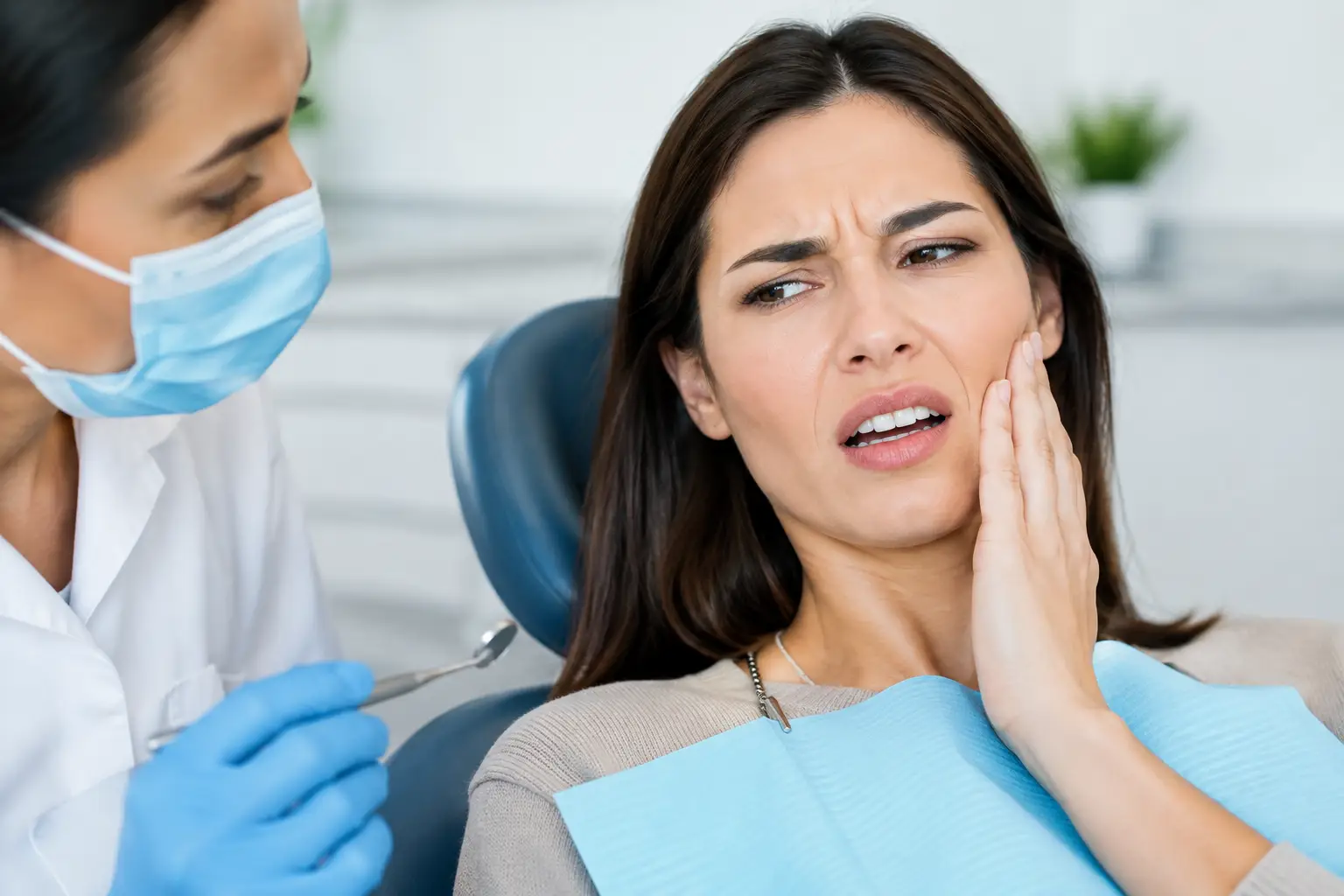
A temporary crown should feel generally comfortable, but it may not feel identical to your natural tooth. Some patients notice a mild awareness of the crown for the first day or two. Sensitivity to cold, heat, or pressure can also happen after a tooth has been prepared, particularly if the tooth was already irritated or had a deep cavity.
What should not happen is a bite that feels high, sharp pain when you close your teeth, or a crown that hits before the rest of your teeth do. A high spot can put too much force on the temporary crown and the tooth underneath it. It is usually a quick adjustment, so call rather than trying to wait it out.
If you clench or grind your teeth, tell your dentist. A nightguard may be recommended, especially if your temporary crown is part of a larger restorative or cosmetic plan. Do not use your teeth to open packages, cut thread, or hold items in place. Temporary or permanent, teeth were not designed to be tools.
What to Do if Your Temporary Crown Comes Off
Even with careful habits, a temporary crown can occasionally come loose. If it does, try not to panic. Keep the crown in a clean container or small bag and call your dentist as soon as you can. Bringing it with you allows the team to check whether it can be recemented or whether a new temporary is needed.
Do not use super glue, household adhesive, or any non-dental product to put the crown back on. These products can damage the crown, irritate the tooth and gums, and make professional treatment more difficult. Some pharmacies carry temporary dental cement, but it is best used only after your dentist has advised you to do so. The fit of the crown and the condition of the tooth matter.
Until you are seen, keep the exposed tooth clean and avoid chewing on that side. If the tooth feels sensitive, avoid very cold, hot, sweet, or acidic foods. An over-the-counter pain reliever may help if it is safe for you to take, following the product label and any guidance from your physician.
When to Call Your Dentist Promptly
A loose crown is worth a call, but some symptoms need more timely attention. Contact your dental office if the temporary crown cracks, falls out, feels loose, or causes a persistent bad taste or odor. You should also call for pain that is worsening rather than improving, swelling around the tooth or face, fever, or a pimple-like bump on the gums.
Severe swelling, trouble breathing, trouble swallowing, or swelling that spreads toward the eye or neck should be treated as urgent medical concerns. Seek emergency care right away in those situations.
It is also helpful to call if you are unsure whether what you are feeling is normal. Dental discomfort can be hard to interpret, and you should not have to guess. A quick conversation can often prevent a small issue from becoming a disrupted final-crown appointment.
Make Your Final Crown Visit a Priority
Your temporary crown is a short-term bridge to a lasting restoration, not a reason to postpone your next appointment. Waiting too long can allow the temporary to wear down, shift, leak around the edges, or come loose. The prepared tooth can also move slightly, which may affect how the final crown fits.
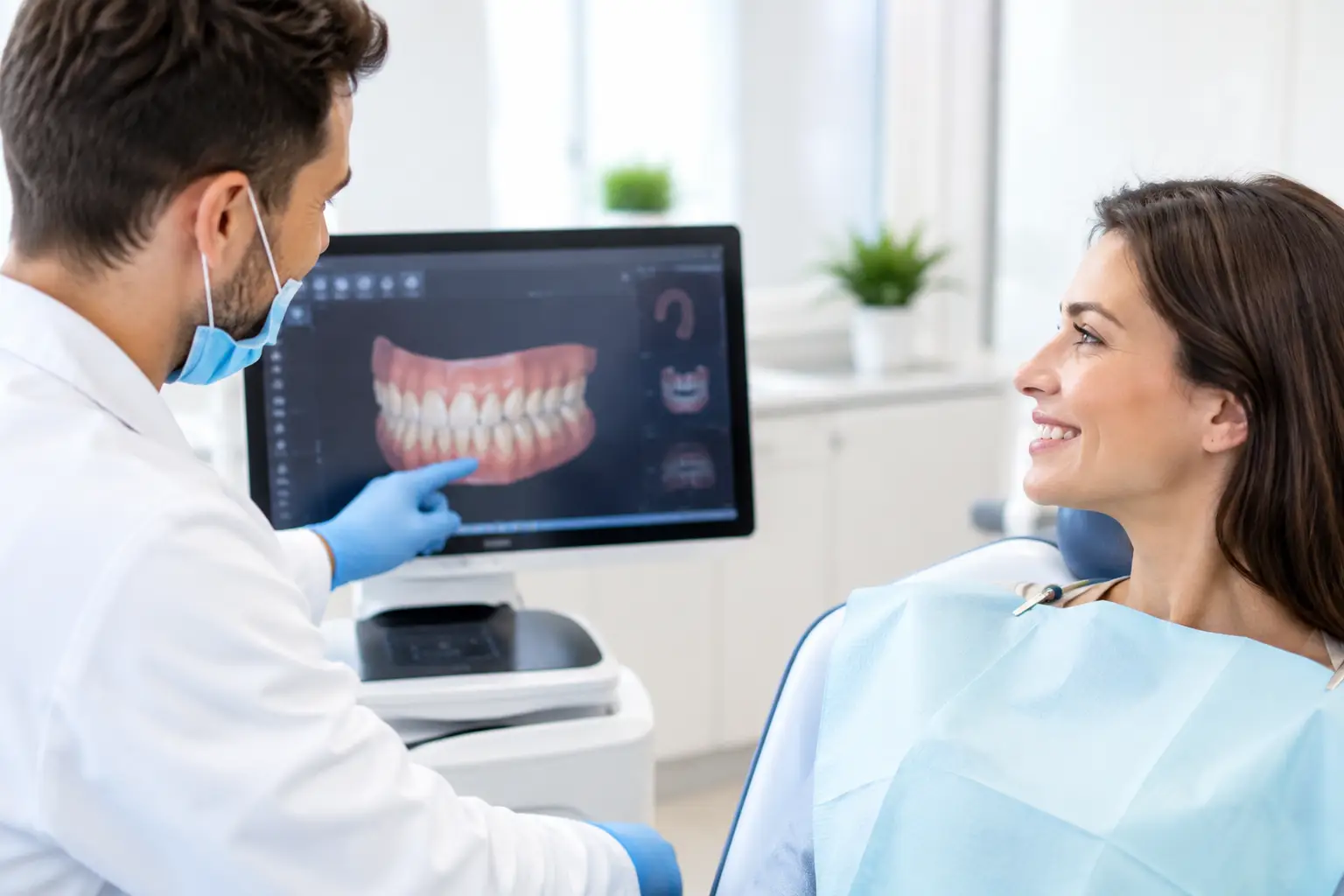
At SoFlo Dental Studio, we want every step of restorative care to feel clear and manageable, from the first digital scan to the day your final crown is placed. If you have questions about food, sensitivity, cleaning, or a temporary that does not feel right, reach out early. A little attention now helps protect the comfortable, confident smile you are working toward.