A cracked tooth before a presentation, a child’s knocked-out tooth at soccer practice, or swelling that seems to grow by the hour can make it hard to think clearly. What is a dental emergency? It is a problem involving your teeth, gums, jaw, or mouth that needs prompt professional attention to stop severe pain, control bleeding or infection, save a tooth, or protect your overall health.
Not every dental concern needs same-day care, but you never need to guess alone. A quick call to a dental team can help you understand what is happening, what to do at home, and how soon you should be seen. Relax. There is usually a clear next step.
What Is a Dental Emergency?
A dental emergency is not defined only by how uncomfortable it feels, although severe pain deserves attention. The biggest concerns are uncontrolled bleeding, trauma, a tooth that has been knocked loose or out, significant swelling, and signs of infection. In these situations, time can affect treatment options and, in some cases, your general health.
For example, a small chip without pain may be safely addressed at a scheduled visit. A fractured tooth with a sharp edge, exposed inner tissue, or intense sensitivity is different. It may need urgent treatment to protect the tooth from further damage or infection.
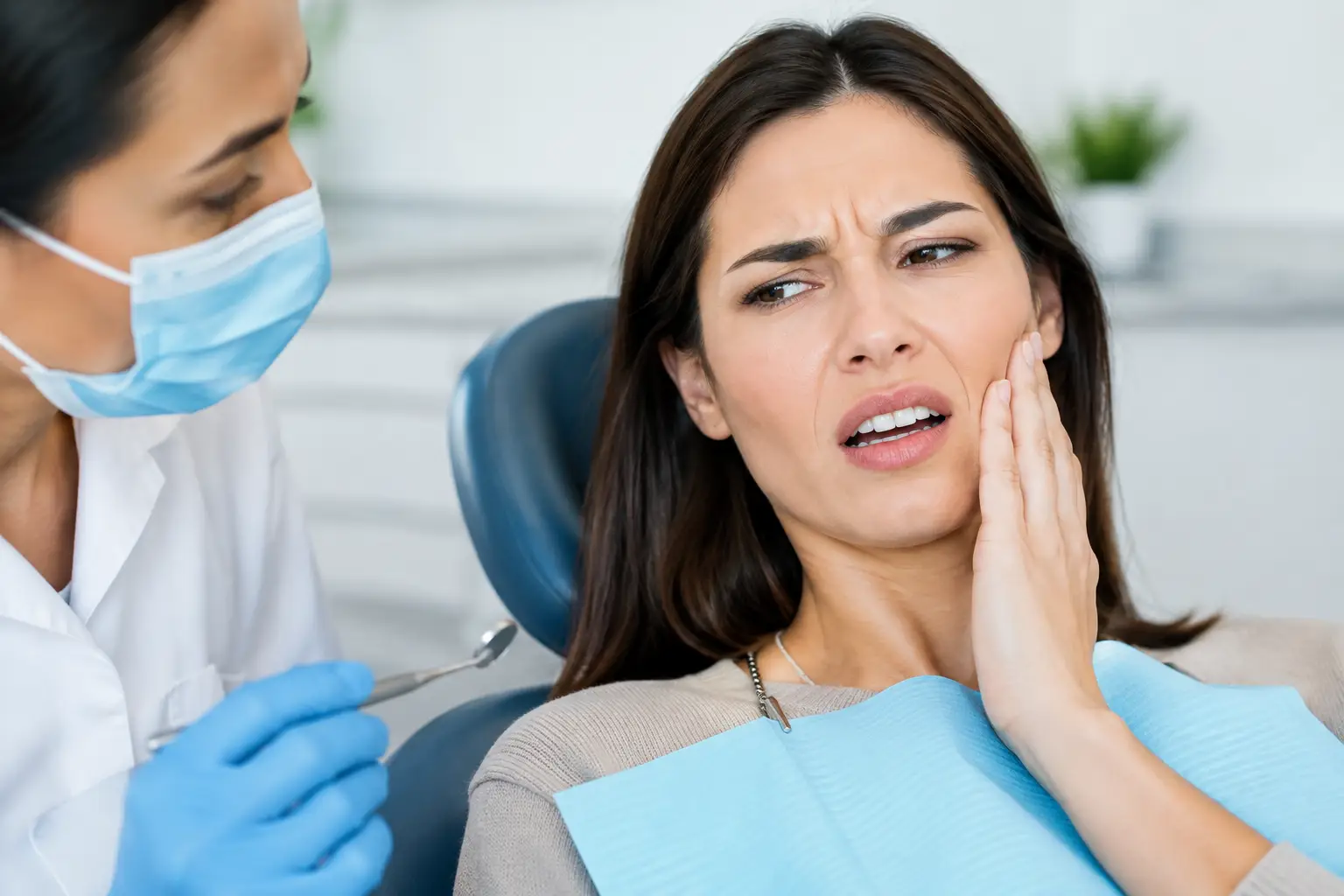
The same is true of toothaches. A mild ache that comes and goes can often wait briefly with guidance from your dentist. Pain that keeps you awake, worsens quickly, comes with swelling or fever, or makes it difficult to eat should be evaluated as soon as possible.
Signs You Should Call a Dentist Right Away
Call for urgent dental guidance if you have any of the following:
- A permanent tooth that has been knocked out, loosened, pushed out of position, or broken
- Severe or persistent tooth pain, especially pain with biting, heat, cold, or facial swelling
- Bleeding from the mouth that does not stop after firm, steady pressure
- A painful swelling, pimple-like bump on the gums, foul taste, or drainage that may suggest an abscess
- A broken crown, filling, bridge, veneer, or denture that causes pain, cuts your mouth, or leaves a tooth exposed
- An injury to the lips, tongue, cheeks, jaw, or soft tissues that is deep, severe, or continues bleeding
A lost filling or crown is not always an emergency, but it can become one if the tooth is painful, sharp, or vulnerable to breaking. Keep the restoration if you can find it, avoid chewing on that side, and call for direction. Do not use household glue to put it back in place.
When a Dental Emergency Becomes a Medical Emergency
Dental offices are equipped to handle urgent tooth, gum, and oral concerns. But certain symptoms require emergency medical care first. Call 911 or go to the nearest emergency room if you have trouble breathing or swallowing, rapidly spreading swelling in the face or neck, swelling around the eye, uncontrolled bleeding, loss of consciousness, or a suspected broken jaw.
These symptoms can point to a serious infection, major injury, or airway risk. Do not wait to see whether they improve overnight.
What to Do Before You Are Seen
The right first-aid step depends on the problem, but gentle handling and a calm approach can make a real difference. Call your dentist promptly, explain what happened and when, and follow the instructions you are given.
If a Tooth Is Knocked Out
Pick up the tooth by the crown, which is the part normally visible in your smile. Do not touch or scrub the root. If it is dirty, gently rinse it with milk or a brief stream of clean water, but do not scrape it.
If possible, carefully place the tooth back into its socket and have the person bite gently on clean gauze to hold it there. If that is not possible, keep it moist in milk or in the person’s saliva inside the cheek if they are old enough not to swallow it. A knocked-out permanent tooth needs immediate attention, ideally within an hour.
For a baby tooth, do not try to reinsert it. That could harm the developing permanent tooth underneath. Call your dentist for advice and have your child evaluated if there is significant bleeding, pain, or concern about other injuries.
If a Tooth Is Broken or Cracked
Rinse the mouth gently with warm water and save any larger pieces of the tooth. A cold compress against the outside of the cheek can help limit swelling and discomfort. Avoid chewing on the injured side, and do not place aspirin directly on the tooth or gums, as it can irritate soft tissue.
A crack may be difficult to see, especially if it starts below the gumline. Pain when biting, sensitivity that lingers after hot or cold foods, or a sharp change in how your teeth come together are all good reasons to call.
If You Have Swelling or Suspect an Infection
Rinse gently with warm salt water and use a cold compress on the outside of your face. Do not apply heat to facial swelling, try to pop a gum bump, or rely on leftover antibiotics. An abscess can spread beyond the tooth, even if pain temporarily fades after drainage begins.
Your dentist may need to treat the source of the infection through drainage, root canal therapy, periodontal care, extraction, or another approach based on the exam. Medication may be part of care, but it does not replace treating the underlying problem.
If You Are Bleeding
Apply clean gauze or a clean, folded cloth with steady pressure for 10 to 15 minutes without repeatedly checking the area. Keep your head elevated and avoid vigorous rinsing, spitting, or using a straw. If bleeding is heavy or does not stop, seek emergency care.
What Can Usually Wait for a Regular Appointment?
Not every issue needs an after-hours visit. A minor chip with no pain, a dull sensitivity that is stable, a small sore spot from a new appliance, or food caught between teeth can often be handled during normal office hours. Still, “can wait” does not mean “ignore it.” Small concerns are usually easier, more comfortable, and less costly to address before they become painful.
It depends on your symptoms and health history. Someone with diabetes, a weakened immune system, recent oral surgery, or a history of serious infections may need more urgent guidance for swelling or pain than someone without those risk factors.
How Urgent Dental Care Can Feel More Manageable
The last thing most people want during a painful moment is a rushed, unfamiliar experience. A comfort-first office should begin by listening: what happened, what hurts, what feels frightening, and what you need to feel at ease.
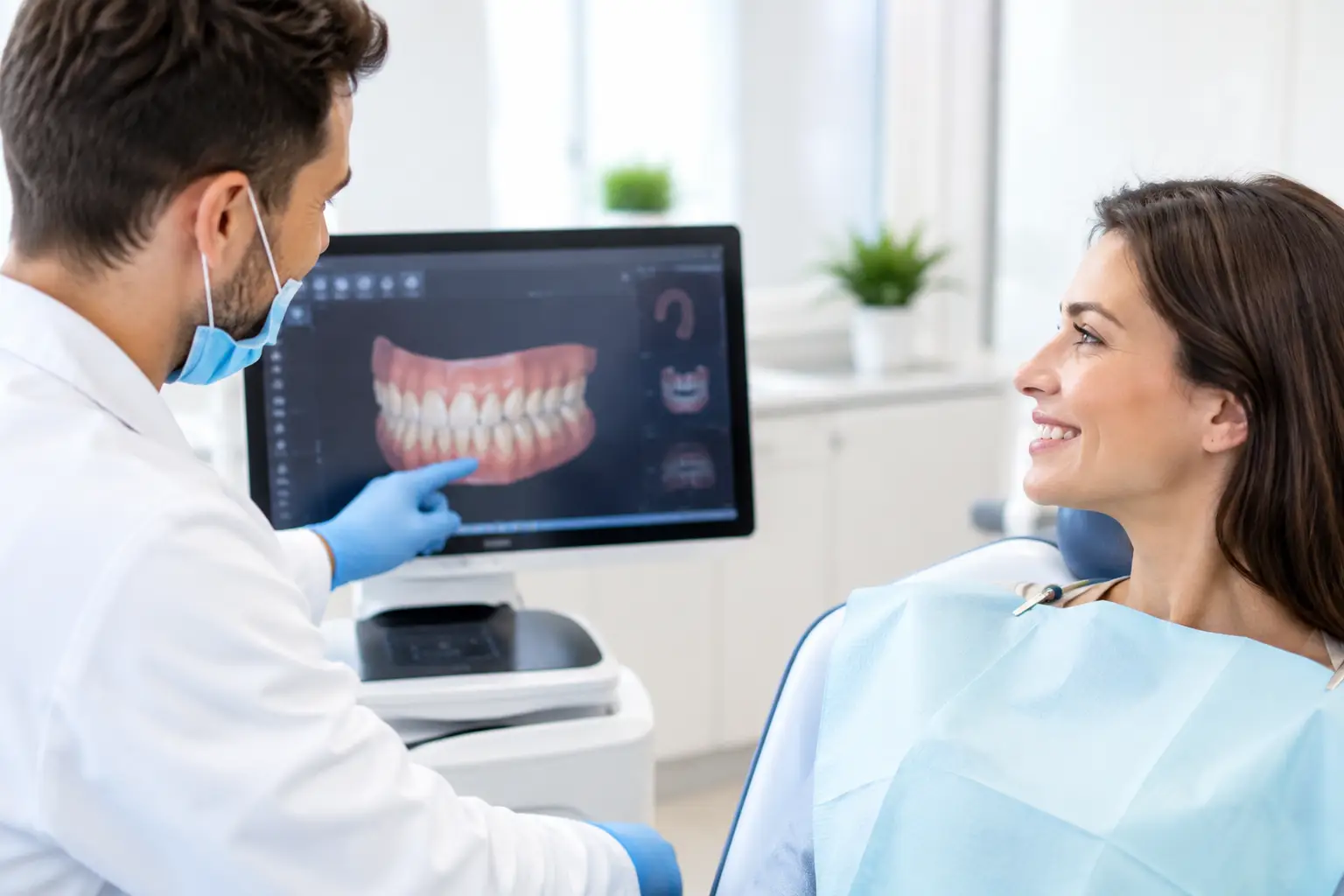
At SoFlo Dental Studio, urgent visits are approached with clear explanations and a gentle touch. Digital imaging can help identify hidden fractures, infections, or damage beneath an existing crown or filling. From there, the team can explain the practical choices in plain language, including what needs attention now and what can be planned thoughtfully for later.
If dental anxiety is part of the picture, say so when you call. Comfort details such as noise-canceling headphones, an eye mask, and a neck pillow can help make a stressful visit feel more supported. You deserve care that is clinically thorough without feeling cold or overwhelming.
A Calm Call Now Can Protect Your Smile Later
Dental emergencies rarely arrive at a convenient time, but acting promptly can often preserve more treatment options and relieve uncertainty faster. If you have severe pain, swelling, bleeding, or an injury to a tooth, call a dental office for guidance today. And if breathing, swallowing, or rapid facial swelling is involved, seek emergency medical help immediately. A calm voice, a clear plan, and timely care can make all the difference.