A crown that suddenly feels rough against your tongue, wiggles when you chew, or shows a dark line near the gum can be unsettling. The good news is that can dental crowns be repaired is often not a simple yes-or-no question. Many crowns can be smoothed, reattached, or repaired in a limited way. Others need replacement to protect the tooth underneath.
The right choice depends on what happened, how much of the crown is affected, and whether the underlying tooth and gum tissue are healthy. A calm, timely exam can give you a clear answer before a small issue becomes a painful one.
Can Dental Crowns Be Repaired? It Depends on the Damage
Dental crowns are designed to be durable, but they are not indestructible. They can chip, crack, loosen, or wear over time. They may also look different as the gumline changes or as neighboring teeth become stained. Repair may be an excellent option when the crown itself has a minor problem and the tooth beneath it remains stable.
A small chip in a porcelain crown, for example, can sometimes be polished if the edge is not sharp and the damage does not affect the crown’s strength. In certain cases, a dentist can bond tooth-colored composite material to a chipped area. This may restore appearance and comfort without immediately replacing the crown.
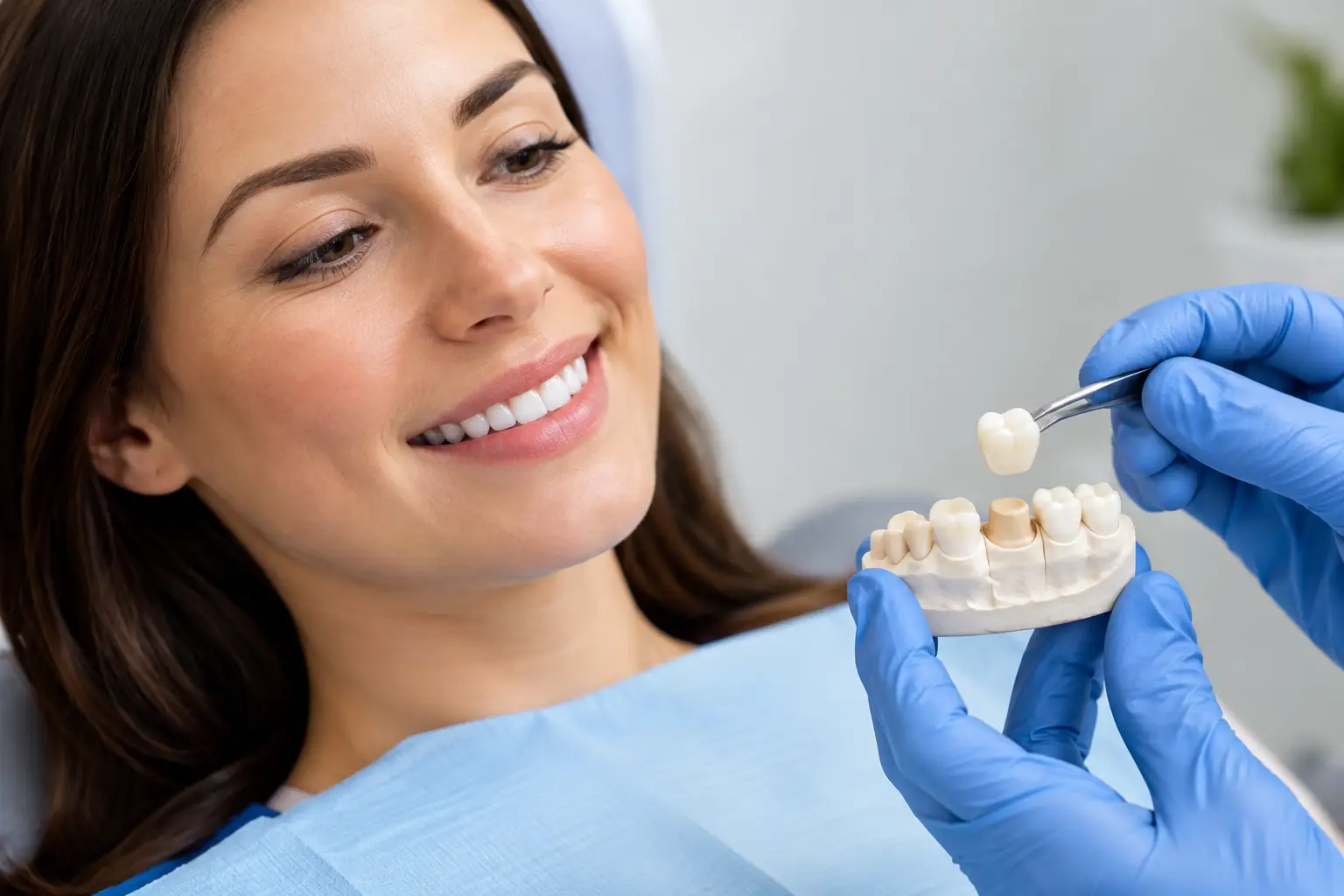
A crown that has come off intact can often be recemented. That is especially likely when the crown still fits properly and there is no decay, fracture, or significant loss of tooth structure underneath. Your dentist will clean the crown and tooth, evaluate the fit, and decide whether recementing will provide a secure result.
Repair is less predictable when a crown has a large crack, is broken into pieces, has extensive wear, or no longer fits snugly at the margin where crown meets tooth. A visible flaw may be only part of the issue. If bacteria have entered beneath a loose or damaged crown, decay can develop quietly around the supporting tooth.
When Replacement Is the Safer Choice
Replacing a crown is not always the answer patients hope for, but it can be the more conservative choice for the natural tooth in the long run. A new crown may be recommended when the existing one cannot create a reliable seal or withstand normal biting pressure.
Your dentist may advise replacement if there is decay under the crown, a crack in the natural tooth, repeated loosening, a fractured crown, or a poor fit caused by shifting teeth or gum recession. Replacement may also make sense when an older crown has become noticeably mismatched in color and you are already considering cosmetic improvements nearby.
Crowns are commonly made from porcelain, ceramic, metal, or a combination of materials. Each has strengths, but all crowns have limits. A back tooth crown absorbs heavy chewing forces every day. A repair that looks acceptable may not hold up if it is placed where you grind or clench. In that situation, a new crown may offer more dependable protection.
If the tooth beneath the crown has become infected or inflamed, treatment may need to come first. Root canal therapy can sometimes save the tooth, followed by a new crown once it is stable. If too little healthy tooth remains to support another restoration, your dentist can discuss other restorative options with you clearly and without pressure.
What to Do if Your Crown Chips, Cracks, or Falls Off
Try not to panic. A damaged crown deserves prompt attention, but it is not always an emergency. If the crown has fallen out, save it in a clean container and bring it to your appointment. Do not use household glue, adhesive, or a permanent repair kit to put it back in place. These products can damage the crown, irritate tissues, or make proper treatment more difficult.
Until you are seen, chew on the other side of your mouth and avoid sticky candy, hard nuts, ice, and very chewy foods. If the exposed tooth feels sensitive, avoid extreme hot or cold temperatures. Over-the-counter pain medication may help when used as directed, but worsening pain, swelling, fever, or a bad taste in your mouth calls for urgent dental care.
A sharp chipped edge can sometimes be covered temporarily with dental wax from a pharmacy. It is a short-term comfort measure, not a repair. The goal is to protect your cheek, tongue, and tooth until a dentist can examine the area.
Why a Professional Exam Matters
It is tempting to judge a crown by what you can see in the mirror. Yet the most important details often sit below the gumline or inside the tooth. A crown can look nearly perfect while the cement has failed or decay has begun underneath.
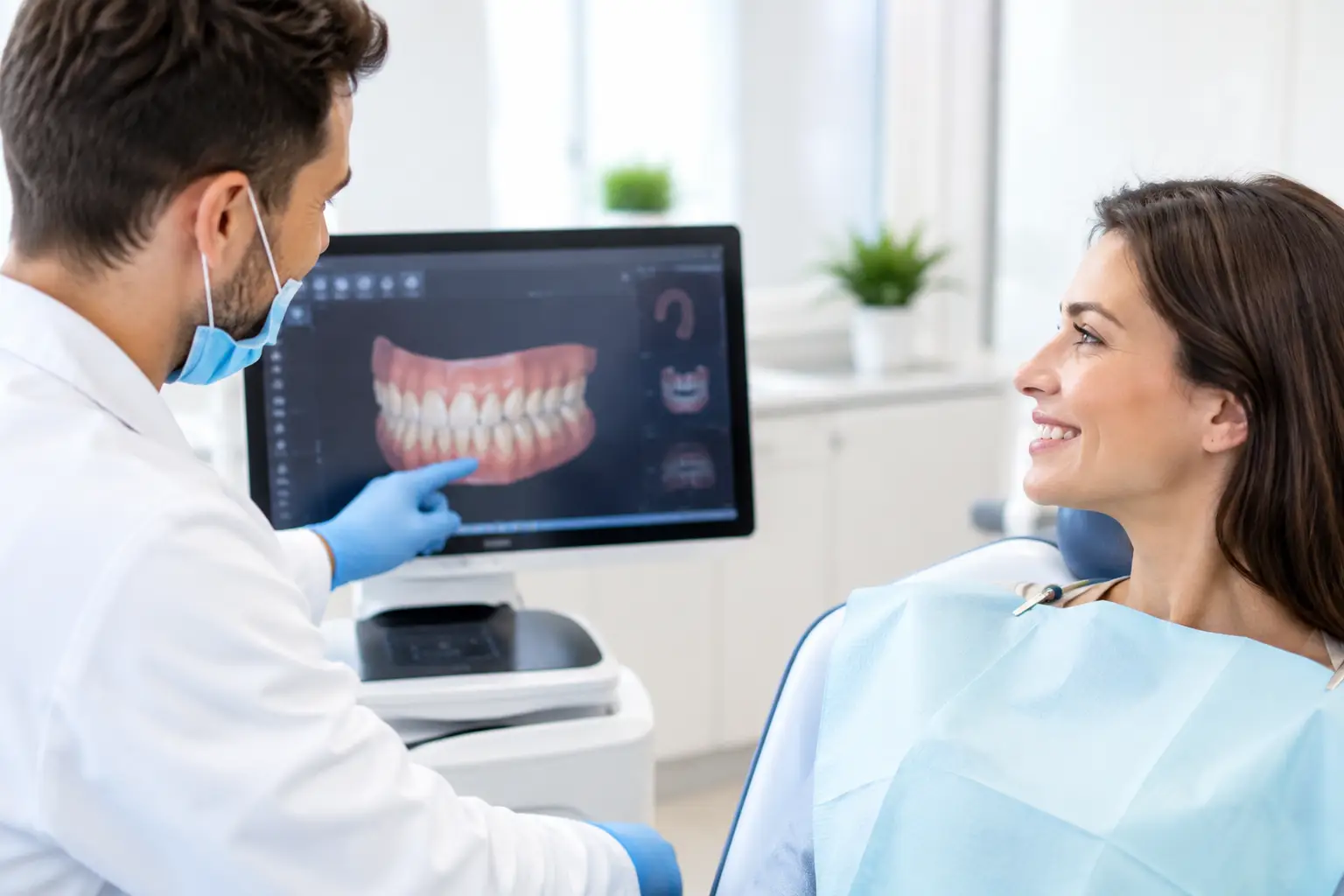
During an evaluation, your dentist will check the crown’s fit, bite, surrounding gums, and the condition of the tooth supporting it. Digital X-rays may be used to look for changes that are not visible from the outside. This helps distinguish a simple recementing visit from a situation that needs a new crown, decay treatment, or root canal therapy.
At SoFlo Dental Studio, the conversation is designed to feel straightforward rather than rushed. Dr. Carmine Scarfone and the team can show you what they are seeing, explain the available paths, and help you weigh longevity, appearance, comfort, and cost before you decide.
How Long Do Crowns Last?
With consistent home care and regular dental visits, many crowns last for years. Their lifespan varies based on the material, where the crown is located, how much force it receives, and the health of the tooth and gums around it. Nighttime grinding, biting ice, using teeth to open packages, and skipping cleanings can shorten a crown’s life.
Daily brushing and flossing still matter around a crowned tooth. A crown cannot get a cavity, but the natural tooth at its edges can. Floss gently down and through the contact area rather than snapping it against the gums. If you clench or grind, a custom night guard may help protect both crowns and natural teeth from repeated pressure.
Do not wait for a crown to hurt before having it checked. Sensitivity, food catching around the edge, a new rough spot, a change in bite, or bleeding gums near the crown are all useful reasons to schedule a visit. Early care may make repair possible when waiting would lead to replacement.
Repair, Replacement, and Cost Considerations
A minor polish, small bonded repair, or recementing procedure is generally less involved than making a new crown. But the lowest immediate cost is not always the best value. If a repair is unlikely to last or leaves the supporting tooth vulnerable, replacing the crown may prevent a larger and more expensive problem later.
Your treatment plan should account for your insurance benefits, the condition of your tooth, and your goals for your smile. If a new crown is needed, digital scans can make the process more comfortable than traditional impressions for many patients. You should also receive a clear explanation of fees and financing options before treatment begins.
A crown problem can interrupt your day, but it does not have to become a source of anxiety. Keep the crown if it has come loose, protect the area, and have it assessed soon. With a thoughtful exam and the right plan, you can move forward with a solution that feels comfortable, looks natural, and protects your smile.