That sharp jolt when cold water touches one tooth is hard to ignore. If you are wondering how to relieve tooth sensitivity, the right answer depends on why it is happening in the first place. Sometimes a few gentle changes bring real relief. Other times, sensitivity is your tooth’s way of asking for professional attention before a small concern becomes a more complicated one.
Tooth sensitivity is common, but it should not become something you simply work around by avoiding iced drinks, sweets, or one side of your mouth. A calm, clear plan can help you protect your comfort and your smile.
What tooth sensitivity feels like
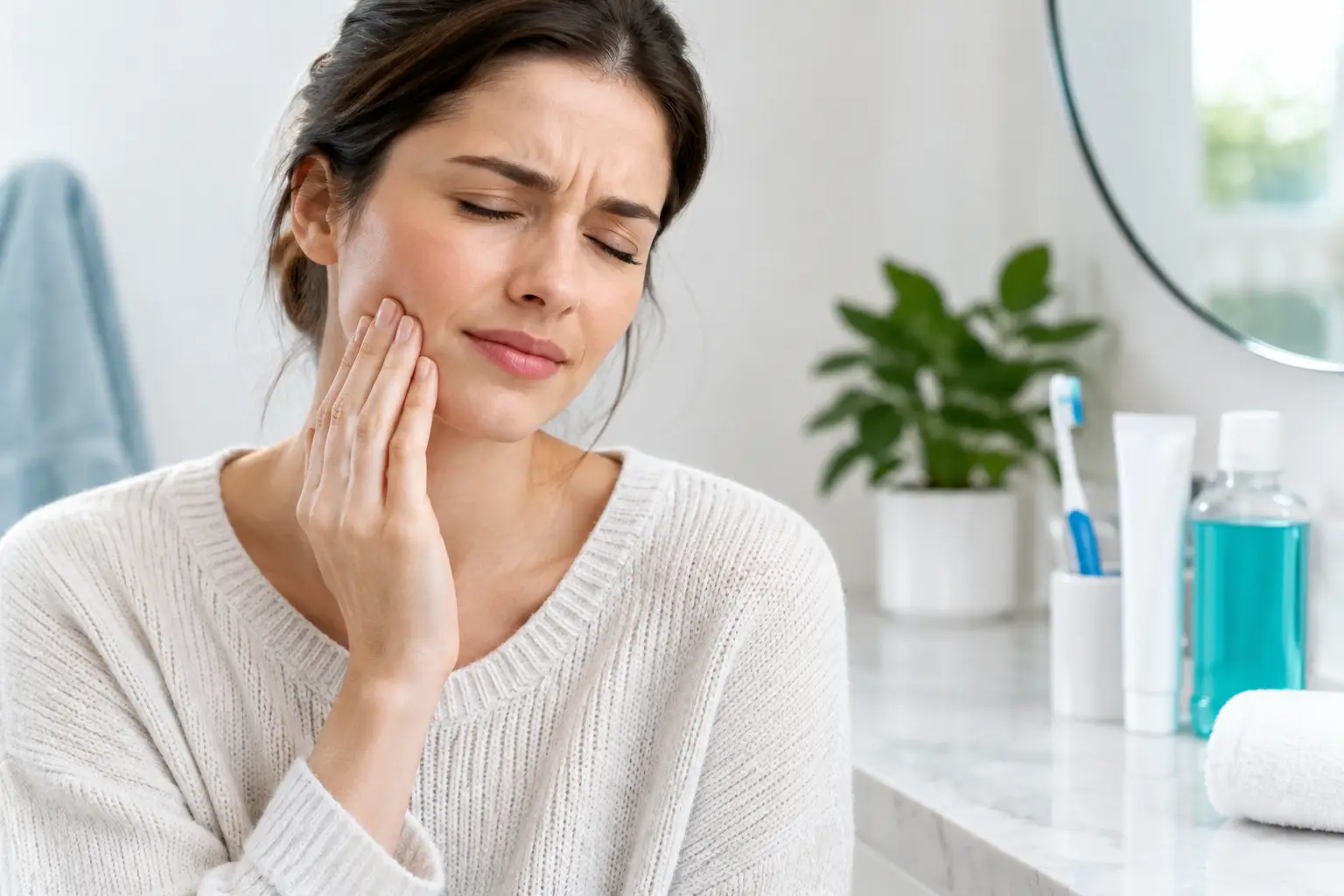
Sensitivity usually feels like a brief, sharp pain triggered by something cold, hot, sweet, acidic, or even a rush of air. It may affect one tooth or several, and it often fades as soon as the trigger is gone.
That pattern is different from a lingering toothache, throbbing pain, swelling, or pain that wakes you at night. Those symptoms can point to a deeper problem and deserve prompt dental care. The location matters, too. General sensitivity across several teeth may be related to enamel wear or gum recession, while a sudden, intense feeling in one tooth can signal a crack, cavity, loose filling, or inflammation inside the tooth.
Why teeth become sensitive
Under the hard enamel of a tooth is dentin, a naturally porous layer connected to the nerve. When enamel wears down or gums pull away from the tooth, temperature and pressure can travel through those tiny channels more easily. That is when everyday foods and drinks can suddenly feel unpleasant.
Brushing too aggressively is one common contributor. A firm brush and a heavy hand may feel thorough, but they can wear enamel near the gumline and irritate gum tissue over time. Acid exposure can also soften enamel. Citrus, soda, sports drinks, wine, and frequent snacking can all play a role, especially when they are part of a daily routine.
Other possible causes include teeth grinding, gum disease, cavities, cracked teeth, whitening treatments, worn fillings, and recent dental work. Sensitivity after whitening or a filling can be temporary, but it is still worth mentioning if it feels strong or does not improve. The goal is not to guess which cause applies to you. It is to notice the pattern and respond thoughtfully.
How to relieve tooth sensitivity at home
For mild sensitivity, start with the habits that protect enamel and reduce irritation. These steps are simple, but consistency matters more than doing everything at once.
Switch to a sensitivity toothpaste
A toothpaste made for sensitive teeth can help block sensation from reaching the nerve inside the tooth. Use it twice daily, and give it time. Many people notice improvement after a couple of weeks, though it can take longer depending on the cause.
Do not rinse aggressively right after brushing. Spitting out the excess toothpaste and leaving a thin layer behind gives its active ingredients more time to work. If one area is especially sensitive, you can ask your dentist whether applying a small amount of sensitivity toothpaste directly to that spot before bed may be appropriate.
Brush gently, not harder
Choose a soft-bristled toothbrush and use small, gentle circles along the gumline. The goal is to clean away plaque, not scrub your teeth. Hold the brush lightly, as though you are polishing a delicate surface.
If you use an electric toothbrush, avoid pressing down. Many modern brushes have pressure sensors, which can be helpful if you tend to brush with more force than you realize. Continue to floss daily, but be gentle if your gums are tender or bleeding. Healthy gums help keep sensitive root surfaces covered and protected.
Give acidic foods and drinks a little space
You do not have to give up every lemony drink or sparkling water to care for your teeth. The bigger issue is frequent exposure throughout the day. Sip water after acidic foods or drinks, and try to enjoy them with a meal rather than slowly grazing on them for hours.
Wait about 30 minutes before brushing after something acidic. Brushing immediately can rub softened enamel at a time when it is more vulnerable. Water, cheese, or a sugar-free gum can also help your mouth return to a healthier balance after eating.
Take a break from whitening if needed
Whitening can temporarily make teeth more reactive to cold, particularly if your teeth were already sensitive. If this happens, pause treatment and use a sensitivity toothpaste. You may be able to resume later with a shorter wear time, fewer applications, or a professionally guided option.
This is one area where more is not better. A brighter smile should still feel comfortable. If sensitivity is intense or lasts beyond a few days after stopping, schedule an evaluation before continuing.
Protect your teeth from grinding
Waking with jaw tension, headaches, or sore teeth can be a sign of nighttime grinding or clenching. The extra pressure can create tiny cracks, wear enamel, and make teeth feel sensitive. A custom nightguard can protect your teeth more precisely than a generic option, especially if grinding is frequent.
Stress management can be useful, but it may not solve the physical effects of grinding on its own. A dentist can check for wear patterns and help you decide whether a nightguard or another treatment makes sense.
When at-home relief is not enough
Home care is reasonable for mild, predictable sensitivity that improves over a few weeks. It is not a substitute for an exam when pain is new, worsening, or focused on one tooth. Sensitivity can be the first noticeable sign of decay, a leaking restoration, gum recession, or a crack that is difficult to see without an exam and digital imaging.
Call your dentist sooner if you notice lingering pain after hot or cold foods, pain when biting, facial swelling, a pimple-like bump on the gums, fever, or a chipped or broken tooth. These concerns do not always mean an emergency, but they should not wait for a routine cleaning. Early care is often simpler, more comfortable, and more conservative.
What your dentist can do for sensitive teeth
A dental visit for sensitivity should feel like a conversation, not a lecture. Your dentist will ask when the pain happens, how long it lasts, what triggers it, and whether you grind your teeth or recently had treatment. They may examine your gums, check your bite, take digital X-rays, and test the tooth gently to find the source.
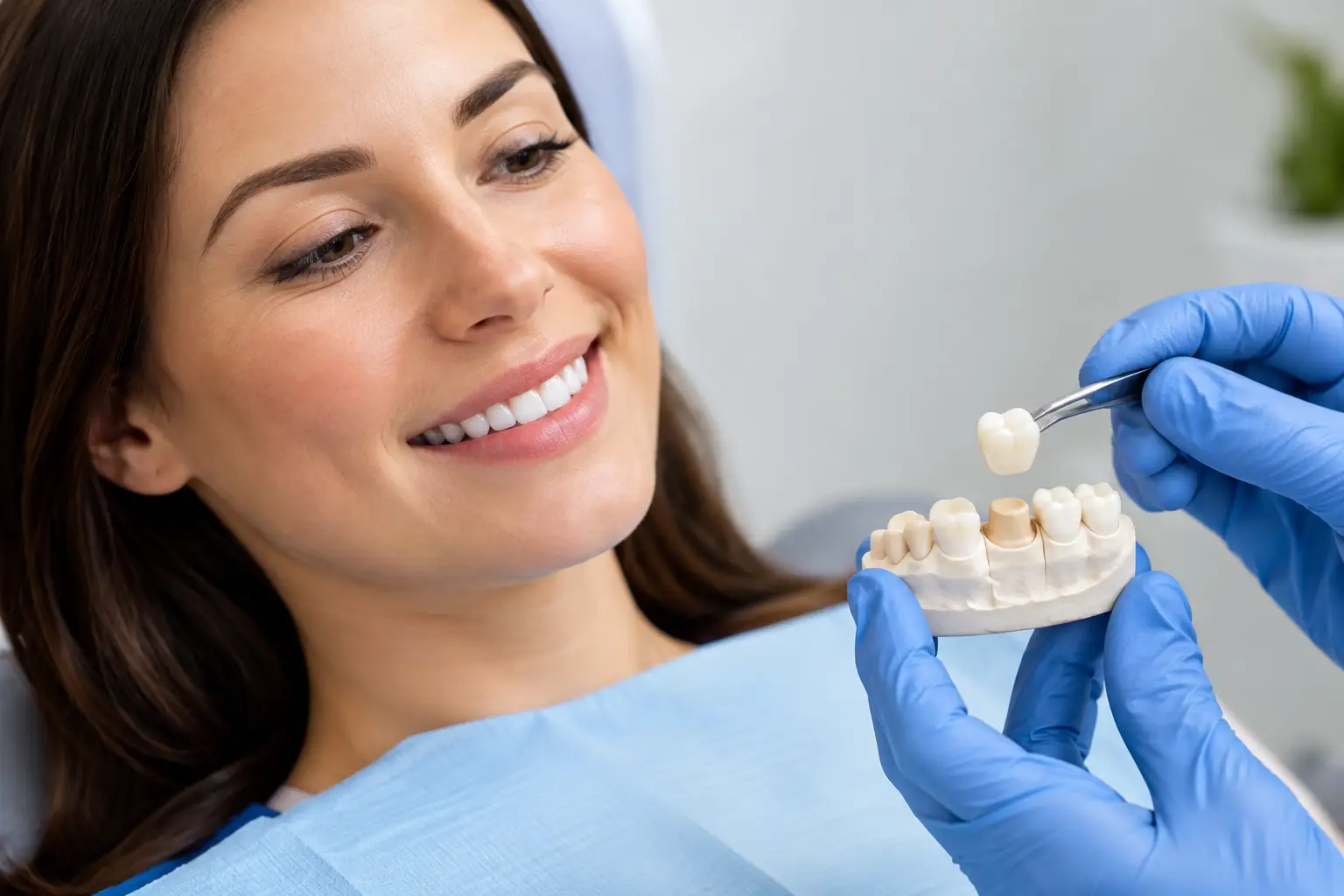
Treatment depends on the diagnosis. For exposed root surfaces, fluoride varnish or a protective bonding material may reduce sensitivity. A cavity or worn filling may need a restoration. Gum treatment can help when recession or inflammation is involved. A cracked tooth may benefit from a crown that protects it from further stress. When the nerve inside a tooth is severely inflamed or infected, root canal therapy can relieve pain while preserving the natural tooth.
The good news is that sensitivity does not automatically mean major treatment. Sometimes the solution is as straightforward as a fluoride treatment, a toothpaste recommendation, and a gentler brushing technique. The value of an exam is knowing which path fits your mouth instead of treating every twinge the same way.
A more comfortable way to get answers
For patients who feel anxious about dental visits, even a quick check for tooth sensitivity can feel like a big step. At SoFlo Dental Studio, the experience is designed to be calm and personal, with transparent explanations before treatment begins. Comfort details such as noise-cancelling headphones, eye masks, and neck pillows can help you settle in while your care team focuses on what is causing the discomfort.
You should also leave knowing what was found, what can wait, what should be addressed now, and what each option involves. Whether the recommendation is preventive care, a small restoration, gum treatment, or a more involved repair, clarity makes it easier to move forward without pressure.
A sensitive tooth is not asking you to tolerate discomfort. It is giving you useful information. Treat it gently at home, pay attention to changes, and let a professional take a closer look when the pain persists or does not feel like your usual sensitivity.